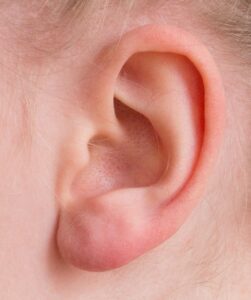
Ear infections are one of those problems that seem to keep coming back for many children. Just when parents think it’s finally over, the ear pain, fever, and crying start again. It can be confusing and frustrating, especially when you’re doing everything right. But the truth is, frequent ear infections in kids are more common than most people realize, and there are clear reasons behind it. Understanding those reasons helps parents feel less helpless and more in control.
The Anatomy Behind the Problem
Children’s ears are not just smaller than adults’—they’re shaped differently. The eustachian tube, which connects the middle ear to the back of the throat, is shorter and lies more horizontally in children. This tube’s job is to drain fluid and balance air pressure. But because of its size and angle, fluid can easily get trapped. Once fluid stays there, bacteria or viruses can grow, leading to infection.
In older children and adults, the tube is longer and angled downward, so fluid drains more easily. That’s why as kids grow, they usually outgrow frequent ear infections too. Until then, it’s a bit like having a drainpipe that keeps clogging up whenever there’s too much congestion from a cold or allergy.
Colds, Allergies, and Germs Everywhere
Most ear infections don’t start in the ear at all. They begin with a cold, flu, or allergy flare-up. When a child’s nose gets stuffy and mucus builds up, it blocks the eustachian tube. This trapped fluid becomes the perfect place for bacteria or viruses to grow. Children in daycare or school are often surrounded by germs, so it’s easy for them to catch one infection after another.
It’s worth noting that some kids simply have more sensitive immune systems. They might react more strongly to every cold, with more congestion and swelling in the ear area. That doesn’t mean their immunity is weak—it just means their bodies respond differently.
Enlarged Adenoids and How They Play a Role
Adenoids are small lumps of tissue located near the back of the throat. They help fight infection, but in some children, they become enlarged or stay swollen after repeated illnesses. When this happens, they can block the eustachian tubes and trap fluid in the middle ear.
Doctors sometimes check for enlarged adenoids if a child keeps getting ear infections or snores at night. In some cases, removing the adenoids helps prevent future infections. It’s not always needed, but it’s something pediatricians often consider when the problem becomes chronic.
Environmental and Lifestyle Factors
There’s another side to this story—what’s happening around the child. Children exposed to cigarette smoke or heavy indoor air pollution are more likely to develop ear infections. The smoke irritates the lining of the nose and throat, making swelling and mucus worse. Even secondhand smoke from another room can make a difference.
Bottle-feeding while lying flat can also increase the risk. When a baby drinks while lying down, milk can flow toward the eustachian tube and irritate it. Pediatricians often recommend holding the baby at a slight angle during feeding. Breastfeeding, on the other hand, provides immune support that may help lower infection rates.
Seasonal Changes and Allergic Triggers
Parents often notice that ear infections happen more in the winter. That’s because colds and respiratory viruses spread faster when kids are indoors more often. Dry indoor air can also make nasal passages less healthy, allowing germs to stick around.
For some children, seasonal allergies play a big role. Pollen, dust mites, and pet dander can cause swelling inside the nose, leading to fluid buildup in the ear. Managing allergies with safe medication or keeping the home air clean can make a real difference over time.
Family History and Genetic Factors
If parents had frequent ear infections as children, their kids might be more likely to have them too. Genetics can affect things like ear structure, immune response, or even how easily inflammation develops. This doesn’t mean it’s inevitable, but it helps explain why some families seem to have the same issue generation after generation.
The Role of the Immune System
The immune system in young children is still learning. It’s like a team of new players still figuring out how to work together. During this stage, kids tend to catch more infections of all kinds—colds, throat infections, and yes, ear infections. Over time, their immune systems “train up” and become better at fighting off the usual viruses and bacteria.
That’s also why good nutrition, enough sleep, and outdoor play matter. Vitamin C, zinc, and vitamin D all help strengthen immune defenses. A balanced diet with fruits, vegetables, and protein gives the body the tools it needs to fight infections more effectively.
Why Ear Infections Keep Coming Back
After an ear infection, it’s common for fluid to stay behind the eardrum for a few weeks. Even if the infection clears, that leftover fluid can make a child more prone to another infection if another cold comes along. It’s like the ear never fully dries out before the next storm hits.
Children who start daycare early or have older siblings often get sick more often, which means more chances for that lingering fluid to get infected again. Sometimes, this pattern continues until the child’s ear structure matures or their immune system gets stronger.
When Recurrent Ear Infections Need More Attention
If a child has three or more ear infections in six months, or four or more in a year, doctors call it “recurrent otitis media.” In those cases, they might suggest placing small ear tubes through a short surgery to help fluid drain properly. These tubes allow air to flow and prevent pressure buildup. Most children do very well after this procedure, and the tubes usually fall out naturally as they grow.
The Emotional Side Parents Often Notice
Frequent ear infections can take a toll—not only on the child but also on the whole family. Sleepless nights, missed school days, and constant antibiotics can be exhausting. Parents often worry about long-term hearing loss or speech delay, but thankfully, most kids recover completely once the infections stop repeating.
It’s comforting to know that these problems usually peak between ages one and three and then fade as the child grows older. With each passing year, the ear structure improves, and the body becomes more resilient.
What Parents Can Do at Home
There are simple habits that can lower the risk of repeated infections. Keeping the nose clear during colds with saline drops helps prevent blockages. Running a humidifier adds moisture to dry air, especially during winter. Encouraging kids to wash their hands often and keeping them away from smoke-filled environments also helps.
Making sure children get enough rest and healthy food supports their immune system. Some parents also find probiotics helpful for general wellness, though results vary. It’s not about preventing every single infection but reducing how often they happen and how severe they get.
When to See the Doctor
Parents should contact a doctor if ear pain is strong, if a fever lasts more than a couple of days, or if there’s fluid or pus coming from the ear. Also, if the child seems to have trouble hearing or doesn’t respond well to sounds, it’s important to get their ears checked. Sometimes hearing tests are done to make sure everything is normal after repeated infections.
Pediatricians will often track patterns over time—how often infections occur, how long they last, and whether antibiotics are helping. This helps decide whether additional treatment, such as ear tubes or allergy management, is needed.
Real-World Observations
Many parents notice that once their child starts preschool, ear infections become a regular visitor. But just as often, by kindergarten or first grade, the problem almost disappears. It’s one of those childhood phases that feels endless but eventually passes.
Parents who stay calm, focus on comfort, and keep communication open with their doctor often handle these situations best. Each child’s pattern is unique, and small preventive steps can make a big difference over time.
FAQ: Why Kids Get Frequent Ear Infections
1. Why do some children get ear infections more than others?
It usually comes down to ear anatomy, frequent colds, or allergies that cause fluid buildup behind the eardrum.
2. Do ear infections mean a child has a weak immune system?
Not necessarily. The immune system is still developing in young children, so they’re more likely to get infections of all kinds.
3. Can ear infections cause hearing loss?
Temporary hearing changes can happen during infection or when fluid remains in the ear, but long-term hearing loss is rare with proper care.
4. Are recurrent ear infections preventable?
Somewhat. Reducing exposure to smoke, managing allergies, and keeping nasal passages clear can lower the chances, but not all cases can be prevented.
5. Do children outgrow ear infections?
Yes. As they grow, their eustachian tubes become wider and more vertical, allowing fluid to drain better. Most kids have fewer ear infections after age five or six.
References
- Centers for Disease Control and Prevention (CDC) – Ear Infections in Children
- American Academy of Pediatrics – Otitis Media Overview
- Mayo Clinic – Ear Infection (Otitis Media)
- Harvard Health Publishing – Why Kids Get Ear Infections
- World Health Organization – Child Hearing and Ear Health