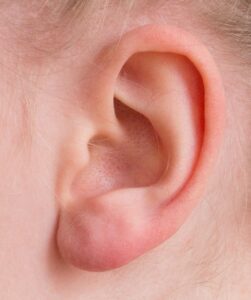
Ear infections are one of the most common problems in children. Babies and toddlers can get them often because their middle ears are smaller and fluid drains less easily. These infections can make kids fussy, irritable, and uncomfortable, and parents want quick relief. Treating ear infections properly helps reduce pain, prevent complications, and get kids back to their normal playful selves.
Identifying the Infection First
Before treatment, it is important to recognize the signs. Ear infections usually cause ear pain, tugging at the ear, trouble sleeping, irritability, and sometimes fever. Some children may also have fluid draining from the ear or reduced hearing for a short time. Recognizing these signs early helps you act promptly and prevent the infection from worsening.
It’s worth noting that not all ear pain is caused by infection. Sometimes teething, colds, or even sinus pressure can make kids fussy. Observing your child’s overall symptoms for a day or two gives a clearer picture.
When to See a Doctor
For most kids, a visit to the pediatrician is needed, especially if the child has high fever, repeated vomiting, or severe discomfort. Doctors use an otoscope to look inside the ear and check for fluid, redness, or swelling. Some cases are viral and may improve without antibiotics, but bacterial infections usually need medical treatment.
A doctor may prescribe antibiotics if the infection is confirmed bacterial or if symptoms are severe. Following the full course of medication is important, even if the child seems better after a day or two. Stopping early can cause the infection to come back stronger.
Home Care for Comfort
While waiting for treatment or in milder cases, home care helps relieve discomfort. Keeping the child upright can reduce pressure in the middle ear. Warm compresses on the affected ear often soothe pain. Gentle rocking, holding, or comforting can calm an irritable child.
Pain relievers like acetaminophen or ibuprofen can help reduce fever and ease ear pain. Always check dosage according to your child’s weight and age, and confirm with a pediatrician if unsure.
Offering plenty of fluids keeps the child hydrated, which supports the immune system. Avoid forcing large meals if the child is refusing food; small, frequent snacks are often easier to manage.
Managing Recurrent Ear Infections
Some children get ear infections repeatedly. In these cases, doctors may recommend additional measures such as ear tubes. These small tubes are placed in the eardrum to help drain fluid and reduce future infections. Vaccinations also play a role in prevention. The flu shot and pneumococcal vaccines can help lower the risk of infections that may lead to ear problems.
Parents can also reduce exposure to triggers. Keeping babies away from secondhand smoke, practicing good hand hygiene, and managing colds and allergies promptly can help prevent repeated infections.
Natural and Supportive Remedies
Certain supportive measures can complement medical treatment. For instance, a warm bath or gentle massage around the ear and neck may provide comfort. Humidifiers in the child’s room can keep nasal passages clear and reduce middle ear pressure.
Feeding position matters too. For bottle-fed babies, keeping the baby slightly upright during feeding helps fluid drain from the middle ear. For breastfeeding infants, the antibodies in breast milk provide extra protection against infections, which can indirectly help reduce ear infection risk.
Monitoring Recovery
After treatment begins, watch for improvement within 48–72 hours. Pain should decrease, sleep patterns should normalize, and irritability should lessen. If symptoms persist or worsen, it may indicate a resistant infection or another underlying issue. Follow-up visits ensure the infection is fully resolved and that fluid is not lingering in the middle ear, which could affect hearing.
Keeping a diary of symptoms, medications, and responses can help the pediatrician make the best recommendations.
Preventing Future Ear Infections
Prevention is always better than treatment. Strategies include:
- Keeping your child away from secondhand smoke
- Practicing frequent handwashing
- Treating colds and allergies promptly
- Ensuring vaccines are up-to-date
- Breastfeeding infants when possible for immune support
- Avoiding prolonged bottle feeding while lying flat
These measures do not guarantee ear infections will never occur, but they reduce the risk and severity when infections do happen.
When Complications Occur
Most ear infections heal without issues, but complications can happen. Persistent fluid in the ear may cause temporary hearing loss. In rare cases, infections can spread or become chronic, requiring more intensive medical care. Recognizing early warning signs like swelling behind the ear, high fever, or unusual drainage is critical.
Prompt care prevents long-term problems and keeps your child comfortable and healthy.
FAQ: Treating Ear Infections in Kids
- What is the first step in treating my child’s ear infection?
Consult a pediatrician to determine if the infection is bacterial or viral and get guidance on treatment. - Do all ear infections need antibiotics?
No. Many viral infections improve on their own. Antibiotics are prescribed mainly for bacterial infections or severe cases. - Can home remedies relieve ear pain?
Yes, warm compresses, pain relievers, upright positioning, and comfort measures help ease discomfort. - How long does it take for an ear infection to heal?
Most infections improve within a few days with proper care, but complete healing may take up to a week or more. - How can I prevent future ear infections?
Vaccinations, hand hygiene, avoiding smoke, breastfeeding, and proper feeding positions can reduce the risk of repeat infections.
References
- Centers for Disease Control and Prevention (CDC) – Ear Infections in Children
- Mayo Clinic – Ear Infection (Otitis Media) in Children
- American Academy of Pediatrics (AAP) – Ear Infection Treatment
- Harvard Health Publishing – Middle Ear Infections in Kids
- World Health Organization (WHO) – Child Ear Health