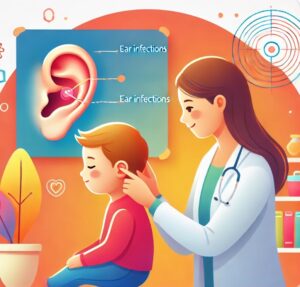
Ear infections are one of those issues that seem to show up again and again for many children. Just when everything feels fine, your child wakes up crying at night with ear pain, or you notice that familiar tugging at the ear. For parents, it can be worrying and exhausting. While most kids get at least one ear infection before the age of five, some seem to get them over and over again. So why does this happen, and what can parents actually do to help?
Why Some Kids Keep Getting Ear Infections
To understand why ear infections keep coming back, it helps to know how the ear works. Inside the ear, there’s a small passage called the eustachian tube that connects the middle ear to the back of the throat. Its job is to drain fluid and balance air pressure. In children, this tube is shorter and more horizontal than in adults. That means fluid and germs can easily get trapped. Once fluid builds up, bacteria or viruses can grow, and infection begins.
Colds, allergies, and sinus infections often play a big role. When a child catches a cold, the lining of the nose and throat swells, blocking the eustachian tube. The trapped mucus becomes the perfect breeding ground for bacteria. That’s why kids in daycare or school—where germs spread fast—are more likely to have repeat infections.
Some children also have naturally narrower tubes or are born with mild structural differences in the ear that make drainage harder. If a parent or sibling had frequent ear infections as a child, that can also increase the risk, since anatomy and immune responses tend to run in families.
Common Triggers That Make It Worse
Certain things make kids more prone to recurrent ear infections. For example, exposure to cigarette smoke irritates the airways and causes more swelling. Lying flat while bottle-feeding can let milk flow toward the middle ear, which can trigger inflammation. Seasonal allergies can also cause swelling and fluid buildup in the ears.
During the winter months, when viruses are everywhere, children often bounce from one infection to the next without much of a break. For others, things like enlarged adenoids—the tissue near the back of the nose—can block drainage and keep infections coming back.
It’s worth noting that kids under two years old are at the highest risk. Their immune systems are still developing, and their ear structures are smaller. The good news is that most children outgrow this cycle as they get older.

Thermal-Aid® (Tiny The Elephant) – Washable Heating Pad & Ice Pack for Kids
How Recurrent Ear Infections Affect Kids
Beyond the obvious pain and discomfort, repeat ear infections can have other effects. When fluid remains behind the eardrum for weeks or months, it can temporarily reduce hearing. This may lead to speech delays or trouble paying attention in school. Some kids may seem like they’re ignoring parents, but in reality, they just can’t hear clearly.
Sleep can also be disrupted. Ear pain often worsens at night because lying down increases pressure in the middle ear. That means crankier mornings and tired days. Repeated antibiotic use can cause its own problems, like stomach upset or antibiotic resistance. That’s why doctors try to balance treatment carefully—using antibiotics only when truly needed.
What Parents Can Do at Home
There are many small things parents can do to help prevent ear infections or reduce how often they happen. Keeping your child’s nose and throat healthy is one of the most effective ways to prevent ear trouble. Encourage frequent handwashing and try to limit exposure to colds and flu, especially in the winter.
If your child has allergies, managing them early can help reduce ear inflammation. Use saline sprays or a humidifier to keep nasal passages moist. Avoid cigarette smoke or strong household chemicals, as these can irritate the airways.
For babies, feed them in an upright position, and if possible, try breastfeeding for at least six months—it can boost immunity and lower infection risk. If your child uses a pacifier, limit its use after six months, since frequent sucking can affect ear pressure.
When to See a Doctor
If ear infections happen more than three times in six months or four times in a year, it’s time to talk with a doctor about recurrent otitis media. The doctor may look inside the ear with a special light called an otoscope to check for fluid or redness. Sometimes, a hearing test or a tympanometry (which checks eardrum movement) may be recommended.
Doctors usually start with observation and medication, but when infections become chronic, they may discuss ear tubes. Ear tubes are tiny devices inserted into the eardrum to allow fluid to drain and air to circulate. It sounds scary, but the procedure is simple and quick, and it can make a huge difference.
Children with enlarged adenoids may also benefit from adenoid removal if those tissues keep blocking ear drainage. These options are only considered after repeated infections or when hearing and speech are affected.
The Role of Antibiotics
Antibiotics can help clear bacterial infections, but they’re not always needed. Many ear infections, especially those caused by viruses, get better on their own in a few days. Doctors may suggest “watchful waiting” for 24 to 48 hours if symptoms are mild. Pain relief is key during that time—acetaminophen or ibuprofen can help with discomfort.
If antibiotics are prescribed, make sure your child finishes the entire course, even if they start to feel better. Stopping too soon can allow bacteria to come back stronger. However, repeated antibiotic use over months isn’t a long-term solution—that’s when other treatments are considered.

Vicks Warm Mist Humidifier - Air Humidifier for Bedroom
Ear Tubes and Other Medical Options
For children who have frequent or long-lasting infections, ear tubes can be a game changer. These tiny tubes keep air flowing through the middle ear and help prevent fluid buildup. Most children who get tubes experience fewer infections and better hearing afterward.
Doctors may also check for allergies or sinus issues, since managing those can reduce ear problems too. In some cases, an ENT (ear, nose, and throat specialist) might suggest imaging or additional tests if something unusual is suspected.
Helping Kids Cope During an Infection
When a child has an ear infection, comfort measures matter a lot. Warm compresses against the ear can relieve pain. Keeping the head elevated during sleep helps drainage. Try to keep your child hydrated, as swallowing helps open the eustachian tubes.
Avoid putting anything into the ear unless prescribed. Over-the-counter drops should only be used if your doctor says it’s safe, since a ruptured eardrum changes how medications should be given. Most importantly, give extra comfort and rest—ear pain can make even the calmest child irritable.
Preventing Future Ear Infections
While there’s no guaranteed way to stop ear infections forever, parents can lower the chances. Vaccines like the pneumococcal and flu vaccines can protect against common bacteria and viruses that cause ear infections. Keeping allergies under control, staying away from secondhand smoke, and maintaining good nasal hygiene all help.
Teaching kids to blow their nose gently and wash hands regularly reduces the spread of germs. For school-age children, taking breaks during cold season and avoiding sharing drinks or utensils can make a surprising difference.
What to Expect as Kids Grow
The good news is that most children grow out of recurrent ear infections. As the eustachian tubes mature and tilt more downward, drainage improves, and infections happen less often. Parents who once felt stuck in a cycle of antibiotics and doctor visits often notice that by age six or seven, the problem starts to fade.
Final Thoughts
Recurrent ear infections can make any parent feel helpless. But understanding what’s happening inside your child’s ears and taking practical steps to prevent and manage infections can make a huge difference. Whether it’s small lifestyle changes, allergy control, or—if needed—ear tubes, there are ways to give your child relief and protect their hearing.
Each child’s situation is different, but most grow out of it with time, patience, and good care. And when those quiet nights finally return, you’ll know the effort was worth it.
FAQ
What causes recurrent ear infections in children?
They’re usually caused by fluid buildup in the middle ear due to blocked eustachian tubes. Colds, allergies, and enlarged adenoids can make it worse.
When should parents worry about frequent ear infections?
If your child has three or more infections in six months or four in a year, talk to a doctor. Long-lasting fluid or hearing issues are also signs to check.
Do ear tubes really help?
Yes, ear tubes allow air to flow and fluid to drain. They can reduce infections and improve hearing, especially in children who have chronic ear problems.
Can diet or lifestyle help prevent infections?
Yes, breastfeeding, avoiding smoke, managing allergies, and getting flu and pneumococcal vaccines can all help lower the risk.
Do kids outgrow ear infections?
Most do. As children grow, their ear structures change, drainage improves, and infections become much less frequent.