(We include products we think are useful for our readers. If you buy through links on this page, we may earn a small commission.)
Respiratory Syncytial Virus, also called RSV, is one of the most common viruses that affect children. Almost every child will have had RSV by the time they are two years old. For many, it feels like a simple cold. But for some children, especially babies and those with health issues, RSV can become much more serious. As parents, it is important to understand what RSV is, how it spreads, what symptoms to watch for, and how to keep kids safe.
What Is RSV?
RSV is a virus that affects the lungs and breathing passages. Doctors call it a respiratory virus. Most healthy kids get RSV and recover in about one to two weeks. However, in infants or children with weaker immune systems, RSV can lead to bronchiolitis (swelling of small airways) or pneumonia (lung infection).
RSV is not a new virus. It shows up every year, usually in the colder months like fall, winter, and early spring. It spreads quickly in places where children are close together, such as schools, daycare centers, and playgrounds.
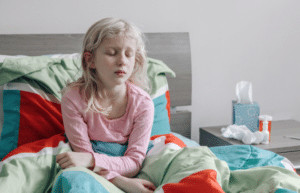
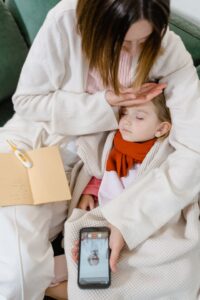
One time my child had a high fever that wouldn’t go away, along with coughing, a stuffy nose, and a runny nose. They looked very tired and weak. The symptoms seemed just like the flu, so at first we thought it was influenza. But after going to the hospital for a test, we found out it was actually RSV.
How Does RSV Spread?
RSV is very contagious. It spreads mainly through:
- Droplets when someone coughs or sneezes
- Touching surfaces that have the virus (like toys or tables)
- Close contact, such as kissing a child’s face or sharing utensils
The virus can live on hard surfaces for hours. That means if a child touches a toy that has the virus and then rubs their eyes or nose, they can get infected. Washing hands often and cleaning toys can help reduce the spread.

Little Remedies Little Noses Saline Spray Drops, 1 Fl Oz, Pack of 2
Symptoms of RSV in Children
The symptoms of RSV can look very similar to a regular cold, which makes it tricky for parents to know when it’s more serious. Common symptoms include:
- Runny nose
- Coughing
- Sneezing
- Fever
- Decrease in appetite
- Wheezing or noisy breathing
For most kids, these symptoms are mild. But parents should watch closely if symptoms get worse.
Warning signs that need medical help:
- Breathing very fast or struggling to breathe
- Flaring nostrils or chest muscles pulling in when breathing
- Bluish lips or fingernails
- Refusing to eat or drink
- Very tired or hard to wake up
If you see these signs, it’s important to seek medical help right away.
Why Is RSV Dangerous for Some Children?
Most healthy children recover fine, but RSV can be risky for:
- Premature babies
- Infants younger than 6 months
- Children with heart disease or lung problems
- Children with weak immune systems
These kids may develop bronchiolitis or pneumonia, which sometimes require hospitalization. Oxygen, IV fluids, or even intensive care may be needed for severe cases.
How Do Doctors Diagnose RSV?
Doctors usually diagnose RSV based on the child’s symptoms and physical exam. Sometimes, they may take a nasal swab to test for the virus. In serious cases, chest X-rays or oxygen level checks may be needed.
For most children, no special test is required. Doctors focus on treating the symptoms and making sure the child can breathe and stay hydrated.
Treatment for RSV
There is no quick cure for RSV. Antibiotics do not work because RSV is caused by a virus, not bacteria. Treatment usually focuses on making the child comfortable and supporting their breathing.
Home care may include:
- Giving plenty of fluids
- Using a cool-mist humidifier to ease breathing
- Suctioning mucus with a bulb syringe for infants
- Keeping the child upright to help with breathing
- Using fever medicine like acetaminophen (if advised by the doctor)

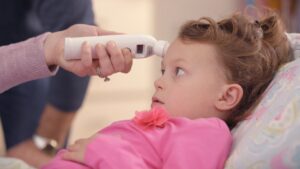
Boncare 10 Seconds Digital Thermometer for Adults and Kids
Hospital care may include:
- Oxygen through a mask or tube
- IV fluids if the child is not drinking
- Suctioning mucus more deeply
- Rarely, a ventilator for very serious cases
Can RSV Be Prevented?
Completely avoiding RSV is hard because it spreads so easily. But parents can reduce risk with some simple steps:
- Wash hands often, especially before touching a baby
- Keep sick children away from babies and toddlers
- Clean toys, doorknobs, and surfaces regularly
- Avoid sharing cups or utensils
- Don’t let people smoke around children
For babies at very high risk (like premature infants), doctors may recommend special medicines such as monoclonal antibodies (for example, nirsevimab or palivizumab) that help prevent severe RSV. These are not vaccines, but they give babies extra protection during RSV season.
Long-Term Effects of RSV
Most children recover fully without long-term problems. However, some children who had severe RSV may have a higher chance of wheezing or developing asthma later in life. Doctors are still studying this connection.
What Parents Should Remember
RSV is very common, and for most children, it’s no worse than a cold. But for babies and kids with health issues, it can become dangerous. Parents should know the warning signs and when to seek help. With good hygiene and medical care, most children recover quickly.
FAQ About RSV in Children
Q: Is RSV the same as the flu or COVID-19?
A: No. RSV, flu, and COVID-19 are different viruses, but they can have similar symptoms. Testing may be needed to tell them apart.
Q: Can RSV come back more than once?
A: Yes. Kids can get RSV more than once. The first infection is usually the worst. Later infections are often milder.
Q: When is RSV season?
A: RSV is most common in the fall, winter, and early spring.
Q: How long is a child contagious with RSV?
A: Usually 3 to 8 days, but sometimes up to 4 weeks in infants.
Q: What is the best way to protect my baby from RSV?
A: Wash hands often, avoid crowds during RSV season, and ask your doctor about preventive medicines if your baby is at high risk.