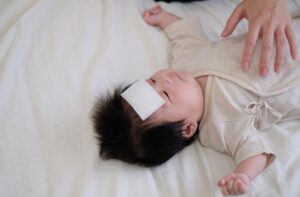
When a child starts coughing in the middle of the night, the whole house feels it. Parents lose sleep, and kids toss and turn, unable to rest. A nighttime cough may sound simple, but it can come from different reasons—some harmless, others more serious. Knowing why it happens and what helps can make those long nights easier for both kids and parents.
Why Does Coughing Get Worse at Night?
During the day, kids run, talk, laugh, and even cough without it sounding so bad. At night, the story changes. Once a child lies down, mucus can drip to the back of the throat. This triggers coughing. Air is cooler at night too, which can make airways more sensitive. For some kids with asthma or allergies, the night becomes the hardest time.
Doctors often say the position of the body has a big role. Gravity pulls everything downward, so if there’s postnasal drip or reflux, it tends to irritate more while lying flat. That explains why some children sound fine during the day but suddenly cough non-stop once they’re in bed.
Common Causes of Nighttime Cough in Children
Not every cough is the same. Here are some reasons kids cough more at night:
- Colds or Flu: Mucus builds up, and lying down makes it worse.
- Allergies: Dust, pet hair, or pollen can cause coughing. Bedroom carpets and stuffed toys may trap allergens.
- Asthma: Cough is often worse at night or early morning.
- Postnasal Drip: From sinus infections or lingering colds.
- Gastroesophageal Reflux (GERD): Stomach acid creeping up can irritate the throat.
- Whooping Cough or Persistent Infections: Less common but should not be ignored.
Parents sometimes notice patterns. For example, if coughing starts only during pollen season, allergies may be the trigger. If it happens after eating a heavy dinner, reflux could be behind it. Observing these details helps doctors find the real cause.
Signs That Need Extra Attention
Most nighttime coughs are not emergencies. Still, some warning signs mean it’s time to see a doctor. If the child has:
- Trouble breathing or wheezing
- High fever that won’t go down
- Blue lips or face
- A harsh, barking cough that sounds like croup
- Cough lasting more than three weeks
These are not just “bad nights.” They can point to asthma flare-ups, pneumonia, or other issues that need medical help.
What Parents Can Do at Home for Relief
The goal at night is simple—help the child rest. That means soothing the cough enough so everyone can sleep. Some small changes make a big difference.
- Elevate the head: Propping up the pillow helps mucus drain instead of pooling in the throat.
- Keep air moist: A cool-mist humidifier prevents the throat from drying out. Dry air makes coughing worse.
- Warm fluids before bed: Honey mixed in warm water or herbal tea (for children over one year) can soothe the throat.
- Avoid strong smells: Smoke, perfume, or cleaning sprays can trigger coughing.
- Bedtime shower: Washing away pollen or dust from hair and skin keeps allergens out of the bed.
Parents sometimes try over-the-counter cough syrups, but most doctors don’t recommend them for young children. Studies show they don’t always work and can even cause side effects. Simple home care often works better.
Nighttime Cough and Asthma
Asthma deserves special mention. For many children, nighttime coughing is the first sign their asthma is not well controlled. The airways tighten more during sleep, making kids cough or wake up wheezing. Parents may notice the cough is dry, with no mucus, and comes in fits.
If asthma is the cause, inhalers or prescribed medicines from a doctor are important. Keeping track of how often nighttime coughing happens helps the doctor adjust treatment.
Nighttime Cough and Allergies
For kids with allergies, the bedroom can be a hidden trap. Dust mites live in pillows and mattresses. Plush toys gather allergens. Even air conditioning filters can hold dust.
To help:
- Wash bedding in hot water weekly.
- Use allergy-proof covers for pillows and mattresses.
- Keep stuffed animals out of bed or wash them often.
- Vacuum carpets and curtains regularly.
Parents sometimes notice that once these steps are taken, nighttime coughing improves within days.
The Role of Food and Reflux
Reflux in children is not always obvious. They may not complain about heartburn, but nighttime cough gives it away. Acid creeping into the throat can make kids cough in their sleep. Eating late dinners or spicy, fried foods often makes it worse.
Simple changes help:
- Avoid big meals right before bed.
- Skip heavy snacks with chocolate or soda at night.
- Try to have the child sit upright for a while after eating.
Helping the Child Feel Comfortable
A coughing child often feels scared or restless. Gentle reassurance goes a long way. Parents can sit by the bed, offer water, or rub the back until the coughing calms. Small rituals—like a warm drink or story before bed—give comfort even when coughing interrupts the night.
Consistency is key. Children notice when there’s a routine, and that routine helps them relax, which sometimes reduces the coughing itself.
When to Seek Professional Advice
If a cough keeps coming back night after night, it’s not something to ignore. Pediatricians may suggest allergy tests, asthma check-ups, or even chest X-rays if needed. Early treatment prevents long nights from becoming a long-term struggle.
Parents should trust instincts. If the cough doesn’t “feel right,” getting medical advice is the safest step.
Long-Term Outlook
Most nighttime coughs are linked to common colds or allergies and fade with time. But ongoing problems often have an underlying cause that needs attention. Addressing triggers—whether dust, asthma, or reflux—usually brings big improvements.
Children who sleep well recover faster, grow healthier, and have better moods during the day. So while a nighttime cough may sound small, finding the reason and offering comfort is one of the best things parents can do for their child.
FAQ Section
Why does my child only cough at night but not during the day?
This usually happens because mucus drains back into the throat when lying down. Allergies, asthma, or reflux can also trigger nighttime coughing.
What helps a child stop coughing at night naturally?
Raising the head with extra pillows, using a humidifier, and giving warm fluids with honey (if the child is over one year old) often help calm the cough.
When should I worry about nighttime cough in children?
See a doctor if the cough is constant, causes breathing problems, comes with high fever, or lasts more than three weeks.
Can allergies cause nighttime cough in kids?
Yes. Dust, pollen, or pet dander can make children cough more in bed. Allergy-proof bedding and clean bedrooms can reduce symptoms.
Is nighttime cough a sign of asthma?
It can be. Asthma often gets worse at night and may cause dry coughing or wheezing. If this happens often, medical advice is important.
References
- American Academy of Pediatrics – HealthyChildren.org. "Coughs and Colds: Medicines or Home Remedies?" https://www.healthychildren.org/English/health-issues/conditions/chest-lungs/Pages/Coughs-and-Colds-Medicines-or-Home-Remedies.aspx
- Mayo Clinic. "Child Cough: When to See a Doctor." https://www.mayoclinic.org/symptoms/cough-in-children/basics/when-to-see-doctor/sym-20050898
- National Heart, Lung, and Blood Institute. "Asthma in Children." https://www.nhlbi.nih.gov/health/asthma/children
- Cleveland Clinic. "Nighttime Cough in Kids." https://my.clevelandclinic.org/health/diseases/22617-cough-in-children
- American College of Allergy, Asthma & Immunology. "Allergic Rhinitis in Children." https://acaai.org/allergies/allergic-conditions/allergic-rhinitis/