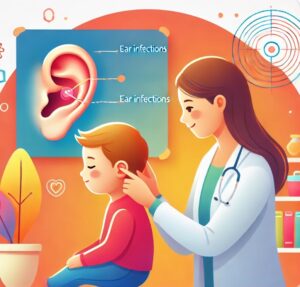
Ear infections are one of the most common childhood illnesses. Almost every parent has faced it—your child suddenly crying, tugging at an ear, or refusing to eat. It’s unsettling, and sometimes confusing, because not every ear infection looks the same. But knowing the early signs can make all the difference.
Understanding ear infection symptoms isn’t just about comfort—it’s also about avoiding complications. Most ear infections are treatable, and early detection helps reduce pain and prevent further problems like hearing difficulties. Let’s break down what to watch for.
Ear Pain and Irritability
The most obvious sign is ear pain. Children may pull or tug at the affected ear. Toddlers might not be able to describe the pain, but their actions speak volumes. They can become fussy, cranky, or unusually clingy.
Pain may be constant or come in waves. In some cases, it worsens when lying down because pressure changes in the middle ear. Parents often notice the child waking up at night crying, which is a strong hint of an ear infection.
Even slight discomfort can make children refuse meals, act withdrawn, or lose interest in playing. If your child suddenly changes behavior or seems unusually irritable, it’s worth checking their ears.

NAVEH PHARMA® CleanEars Baby | Fast-Acting Ear Wax Removal Spray
Fever and Other Physical Symptoms
Ear infections are frequently accompanied by fever. While not every child with a fever has an ear infection, a combination of fever and ear discomfort raises suspicion. Mild fevers (around 100–101°F) are common, but higher fevers may indicate a more severe infection.
Other physical signs may include:
- Fluid or pus draining from the ear
- Redness or swelling around the ear
- Trouble sleeping
- Tugging at the ear more than usual
Some children may also experience headaches, loss of appetite, or even nausea. It’s worth noting that in very young infants, irritability or crying more than usual could be the only sign.
Hearing Changes or Ear Fullness
Sometimes, ear infections affect hearing. Children may not respond to quiet sounds or seem confused during conversation. They might turn their head constantly to catch sounds better.
Ear fullness or a feeling of pressure is another common symptom. Kids may complain that their ear feels “blocked” or that things sound muffled. This happens because fluid buildup in the middle ear interferes with normal sound transmission.
Hearing changes might seem subtle, but if they persist after a cold or flu, it’s important to get the child evaluated. Prolonged fluid in the ear can affect language development if left untreated.

Little Remedies Infant Gas and Nose Solutions (1- 0.5 oz Saline Spray and Drops, 1- 4 oz Fast Acting Gripe Water)
Behavioral Signs Parents Should Watch For
Besides physical symptoms, there are behavioral signs that hint at an ear infection:
- Crying more than usual, especially during feeding
- Pulling on the ear repeatedly
- Irritability when lying down or sleeping
- Less interest in play or social interaction
Sometimes, the signs are subtle. A child who suddenly becomes clingy or withdrawn after a cold might be experiencing ear discomfort. Parents who notice changes in mood, appetite, or sleep should consider an ear check.
Recurring Ear Infections
Some children get ear infections repeatedly. This often happens in younger kids because their Eustachian tubes are shorter and positioned more horizontally, making drainage harder. Children with frequent colds, allergies, or family history of ear infections are at higher risk.
Parents may notice that after one infection clears, another starts within weeks. In such cases, doctors might recommend ear tube placement to improve drainage and reduce recurrent infections.
When to See a Doctor
Not every ear tug or fussiness means an infection, but some signs demand medical attention:
- High fever (over 102°F)
- Severe or persistent ear pain
- Fluid or pus coming from the ear
- Hearing problems lasting more than a couple of days
- Frequent infections over a short period
Prompt medical care can relieve pain, prevent complications, and ensure proper treatment. Doctors often use an otoscope to look inside the ear and check for fluid or infection. Antibiotics may be prescribed if the infection is bacterial, though viral infections usually improve on their own.
Preventing Ear Infections
While not every infection can be prevented, parents can lower risk with some practical steps:
- Wash hands regularly to reduce colds and flu exposure
- Avoid secondhand smoke, which irritates the ear and throat
- Ensure vaccinations are up to date (flu and pneumococcal vaccines help)
- Breastfeed infants if possible, as breast milk provides antibodies
- Manage allergies and sinus problems early to prevent fluid buildup
Small environmental changes—like humidifiers in dry homes and keeping infants upright during feeding—also help keep ears healthy.
Tips for Comfort at Home
If a child shows early signs of an ear infection, simple measures can help:
- Warm compresses on the affected ear
- Over-the-counter pain relief (acetaminophen or ibuprofen, based on age)
- Plenty of fluids to stay hydrated
- Quiet rest to reduce stress on the body
Comfort measures don’t replace medical care but can make the child feel better while waiting for evaluation.
Why Early Recognition Matters
Catching an ear infection early prevents unnecessary suffering. Untreated ear infections can cause:
- Persistent pain or discomfort
- Hearing loss, sometimes temporary
- Recurrent infections that require more intensive treatment
Parents who know the signs can intervene quickly, reducing the duration and severity of the infection. Awareness and observation are often more important than complicated home remedies.
FAQ: Ear Infection Signs in Children
1. What are the most common signs of ear infections in toddlers?
Ear tugging, irritability, fever, difficulty sleeping, and sometimes fluid draining from the ear.
2. Can an ear infection cause hearing problems?
Yes, fluid buildup in the middle ear can make hearing muffled temporarily. Persistent problems should be checked by a doctor.
3. Are all ear infections painful?
Not always. Some children have fluid in the ear without noticeable pain, especially younger toddlers who can’t communicate discomfort clearly.
4. How soon should I call a doctor?
If pain is severe, fever is high, fluid is present, or symptoms last more than 1–2 days, seek medical attention promptly.
5. Can ear infections happen after a cold?
Absolutely. Many ear infections follow colds because nasal congestion blocks the Eustachian tube and traps fluid in the middle ear.
References
- Centers for Disease Control and Prevention (CDC) – Ear Infections in Children
- Mayo Clinic – Ear Infection (Otitis Media)
- American Academy of Pediatrics (AAP) – Ear Infection Guidance
- Harvard Health Publishing – Middle Ear Infections in Children
- World Health Organization (WHO) – Child Ear Health