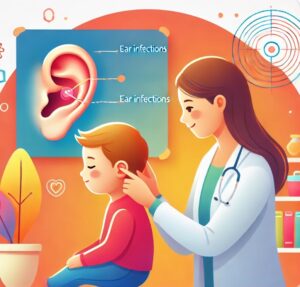
Ear pain in babies can be tricky. They cannot tell you what hurts, and often their symptoms are subtle. Parents might notice something is off, but figuring out that it is ear pain takes careful observation. Ear infections are common in infants, and spotting them early can make treatment easier and keep your little one comfortable.
Fussiness and Crying
One of the first signs of ear pain is unusual fussiness. A baby who is normally calm may cry more than usual. Sometimes the crying is high-pitched or persistent. Babies may be irritable for no obvious reason. In some cases, ear pain is worse at night. Pressure in the middle ear can increase when lying down, causing more discomfort and making it hard for babies to sleep.
Crying alone is not enough to know it’s ear pain. You might notice that the baby tugs or rubs the affected ear. Repeated ear touching, especially combined with irritability or trouble sleeping, is a strong signal.
Changes in Sleep Patterns
Sleep disruptions can be a subtle clue. Babies with ear discomfort may wake frequently, have trouble settling down, or resist lying on one side. If your baby suddenly starts waking more at night or sleeping less, consider checking for ear issues.
In some cases, even short naps are interrupted. Parents often notice that their baby prefers to be held upright rather than lying down. This posture can relieve pressure in the middle ear. Observing sleep patterns over a couple of days can give important clues about possible ear pain.
Feeding Difficulties
Ear pain can affect feeding. Babies may refuse to breastfeed or bottle-feed on the side with discomfort. Sucking can increase pressure in the ear, which is uncomfortable.
Some infants may pull away from the bottle or breast suddenly, cry while feeding, or show signs of frustration. Appetite might decrease slightly, but keep an eye out for persistent feeding issues. A combination of irritability and feeding problems often points to something more than just a minor fuss.
Fever and Physical Symptoms
Fever can accompany ear infections. While not all babies with ear pain have a fever, it is a common symptom. Mild fever (around 100–101°F) often shows up, but higher fever can indicate a more severe infection.
Other signs may include fluid or pus coming from the ear, redness, or swelling. Sometimes the baby may shake their head frequently or seem off balance. Nasal congestion from a cold can also accompany ear pain, since fluid can get trapped in the middle ear and trigger infection.
Hearing and Response Changes
Even though babies cannot describe discomfort, changes in hearing or responsiveness can be noticeable. A baby may startle easily, not respond to soft sounds, or seem confused by noises. This may happen because fluid buildup or pressure affects normal hearing.
Parents may also notice the baby turning their head frequently to catch sounds better. Watching how your baby responds to sound over a day or two can help indicate if there is ear discomfort.
Behavioral Clues
Babies often communicate discomfort through behavior rather than words. Along with crying and tugging ears, other clues include:
- Clinginess or wanting to be held more than usual
- Pulling at the ear with both hands
- Sudden changes in mood or energy
- Resistance to playing or interacting
These behavioral changes often accompany physical symptoms. Observing patterns in daily activities and noting differences from usual behavior helps identify potential ear issues.
When Ear Pain Persists
Occasional fussiness may not mean a serious problem. But persistent symptoms deserve attention. If ear pain continues for more than a couple of days, or if it worsens, medical evaluation is necessary. Untreated ear infections can cause complications such as prolonged discomfort, fluid buildup, or hearing issues.
Doctors usually examine the ear with an otoscope to check for fluid or infection. Sometimes antibiotics are needed, especially if the infection is bacterial. Viral ear infections often improve on their own with supportive care.
Comfort Measures at Home
While awaiting medical evaluation, some home measures can help ease discomfort:
- Hold the baby upright to relieve ear pressure
- Use warm compresses on the affected ear (if tolerated)
- Provide gentle rocking or soothing motions
- Offer small, frequent feedings if full feeds are uncomfortable
Over-the-counter pain relief, such as acetaminophen or ibuprofen, can be used according to age and weight guidelines. Always check with a pediatrician before giving any medication.
Preventing Ear Pain
Not all ear pain is preventable, but some steps reduce risk:
- Keep the baby away from secondhand smoke
- Maintain hand hygiene to reduce infections
- Keep vaccinations current (flu and pneumococcal vaccines help)
- Manage colds and allergies promptly
- Avoid exposing infants to sudden temperature changes or drafts
For breastfeeding infants, antibodies in breast milk help protect against infections, including ear infections. Small adjustments in feeding position can also prevent fluid from building in the middle ear.
Early Recognition Matters
Recognizing ear pain early prevents prolonged suffering and possible complications. Subtle signs such as fussiness, sleep disruptions, feeding changes, and ear tugging give parents clues before severe infection sets in.
Observant caregivers who act promptly can make a significant difference. Early treatment often results in faster recovery, less discomfort, and lower risk of recurring infections.
FAQ: Signs of Ear Pain in Babies
- How can I tell if my baby has an ear infection?
Look for tugging at the ear, irritability, trouble sleeping, fever, and feeding difficulties. - Do all babies with ear pain have a fever?
Not always. Some babies have ear discomfort without any fever, especially younger infants. - What should I do if my baby is tugging their ear?
Monitor for other symptoms like crying, feeding problems, or sleep changes, and consult a pediatrician if it persists. - Can ear pain affect my baby’s hearing?
Temporary hearing issues can occur if fluid builds up in the middle ear. Persistent problems require a doctor’s evaluation. - Are ear infections common in babies?
Yes, especially in infants under 2 years old. Their Eustachian tubes are short and more prone to fluid buildup.
References
- Centers for Disease Control and Prevention (CDC) – Ear Infections in Children
- Mayo Clinic – Ear Infection (Otitis Media)
- American Academy of Pediatrics (AAP) – Ear Infection Guidance
- Harvard Health Publishing – Middle Ear Infections in Children
- World Health Organization (WHO) – Child Ear Health