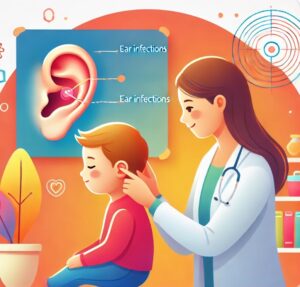
Ear infections are something almost every parent deals with at some point. The crying, ear tugging, and sleepless nights can make everyone miserable. While antibiotics are sometimes needed, many mild ear infections get better on their own. Some parents also look for gentle, natural ways to help their child feel better during recovery. It’s important to know which remedies actually help and which ones are better avoided.
Understanding What Happens in an Ear Infection
An ear infection usually starts after a cold or allergy flare-up. Fluid builds up behind the eardrum, creating a warm spot for bacteria or viruses to grow. This pressure causes pain and irritability. In most healthy children, the body can fight off the infection naturally in a few days. That’s why doctors often suggest “watchful waiting,” especially if symptoms are mild.
Still, while the immune system does its job, kids often need comfort. This is where safe, natural home remedies can help. The goal isn’t to replace medical care but to make the child more comfortable and help recovery go smoothly.
Warm Compress for Pain Relief
A warm compress is one of the simplest and safest ways to calm ear pain. Just soak a clean cloth in warm (not hot) water, wring it out, and place it gently over the affected ear for 10 to 15 minutes. The warmth improves blood flow and can help ease pressure. Many parents notice that children relax quickly with this method. It’s gentle, costs nothing, and can be done several times a day.
Keeping the Nose and Ears Clear
Since ear infections often follow colds, helping the child breathe easier can speed up recovery. Saline nasal drops or sprays keep the nasal passages moist and make it easier for the middle ear to drain. Humidifiers in the child’s room can also help, especially at night. Good hydration thins mucus, so encourage water, soup, or warm fluids. Small steps like these often make a big difference.
Herbal and Natural Oils: What’s Safe and What’s Not
Some parents try olive oil or garlic oil drops, a traditional home remedy believed to ease ear pain. While warm (never hot) olive oil can sometimes soothe discomfort, it should never be used if there’s any ear drainage or a ruptured eardrum. Always check with a pediatrician first before putting anything inside a child’s ear.
Garlic has natural antibacterial properties, but raw or concentrated garlic oil can irritate sensitive skin. A safer option is to focus on general wellness — offering foods rich in antioxidants like fruits, vegetables, and soups that support the body’s healing naturally.
Rest, Fluids, and Elevation
Sleep is the body’s best repair tool. Encourage rest but avoid lying completely flat, as it can increase ear pressure. Slightly propping the head up, even with a small pillow, can relieve discomfort. Warm fluids like chamomile tea or clear broth (for older kids) soothe the throat and keep the child hydrated. These small comforts can reduce fussiness while the infection runs its course.
Probiotics and Gut Health Support
There’s growing interest in probiotics — good bacteria that support gut and immune health. Some research suggests that children who regularly take probiotics, either through yogurt or supplements, may have fewer ear infections. The reason is simple: a healthy gut often means a stronger immune system. While probiotics don’t cure an existing infection, they may help prevent new ones from forming.
Avoiding Unproven or Risky “Remedies”
The internet is full of advice, and not all of it is safe. Hydrogen peroxide, essential oils, or alcohol-based drops are commonly mentioned but can cause irritation or even damage. Ear candling, another popular home method, is not recommended by doctors. It’s unsafe and doesn’t remove fluid or infection. Safe care always means balancing comfort with caution.
Supporting the Immune System Naturally
Strong immunity helps children recover faster. A balanced diet rich in vitamin C (from oranges, strawberries, or kiwi) and zinc (from eggs, beans, or lean meats) supports healing. Fresh air and sunlight provide vitamin D, which plays a role in fighting infections. Keeping children’s hands clean and avoiding secondhand smoke also reduce ear infection risk.
When to See a Doctor
Even when using natural remedies, medical advice is still essential in some cases. Call a doctor if a child’s pain lasts more than two days, fever rises above 102°F, or there’s fluid coming out of the ear. Also, if the child is under six months old, medical evaluation is always needed. Ear infections that return frequently or don’t improve may need antibiotics or further testing to rule out hearing issues.
Combining Natural Care with Medical Advice
Many pediatricians today support combining safe home care with modern treatment. The key is balance — natural comfort measures alongside evidence-based medicine when needed. Most mild ear infections clear up within a few days with rest, fluids, and patience. For more severe cases, antibiotics or ear drops can help while still using natural methods to ease pain.
It’s worth noting that every child is different. Some recover quickly with simple care, while others may need extra help. Parents often find that a mix of warm compresses, hydration, and gentle care gives their child relief while the body heals naturally.
Real-Life Observations
Parents often notice that children who stay calm, rest well, and drink enough fluids recover faster. Sometimes just keeping the child comfortable and cared for works better than rushing to treat. Ear infections can look scary, but most improve without complications when handled patiently.
FAQ: Natural Remedies for Ear Infections in Children
1. Can a child’s ear infection heal naturally?
Yes. Many mild ear infections clear up on their own within two to three days as the child’s immune system fights off the infection.
2. What natural remedy is best for ear pain in kids?
A warm compress is the most effective and safest natural method. It helps relieve pain and calm discomfort without any medication.
3. Are herbal ear drops safe for children?
Not always. Some drops can irritate or cause damage if there’s a ruptured eardrum. Always ask a pediatrician before using any herbal or oil-based ear drops.
4. Do probiotics really help prevent ear infections?
Probiotics support immune health and may reduce how often children get ear infections, especially those caused by colds or allergies.
5. What foods help a child recover faster from an ear infection?
Fruits high in vitamin C, soups, yogurt, and plenty of water can support healing. Avoid sugary snacks, which may slow recovery.
References
- Centers for Disease Control and Prevention (CDC) – Ear Infections in Children
- Mayo Clinic – Ear Infection (Otitis Media)
- American Academy of Pediatrics – Ear Infection Home Care Guidelines
- Harvard Health Publishing – Natural Remedies and Cautions for Ear Pain
- World Health Organization – Child Ear Health and Hygiene