Puberty is a big growth period. A girl's body is changing quickly, and food has to keep up with those changes.
Height may increase. Bones are building. Muscles are developing. Periods begin. The brain is still developing, too. All of this takes energy and nutrients.
That is why puberty is not a good time for strict dieting or skipping meals just to stay thin. Teen girls need enough food to support normal growth. The American Academy of Pediatrics notes that teenagers need more calories during puberty, while calcium and iron become especially important for growing girls.
The good news is that healthy eating during puberty does not need to be complicated. A teenager does not need expensive “superfoods,” a perfect meal plan, or a pile of supplements. Most of what the body needs can come from a varied mix of ordinary foods.
Why Nutrition Matters So Much During Puberty
Think of puberty as a construction project.
The body is building bone, muscle, blood, hormones, and other tissues while the brain continues to mature. Food provides the raw materials and energy for that work.
Adolescence is also a time when eating habits can change. Teenagers start choosing more of their own meals and snacks. They may eat at school, grab food with friends, order takeout, or skip breakfast because they are running late. These choices are normal, but they can make it harder to get enough nutrients. The WHO emphasizes that healthy eating habits formed during adolescence can have long-term effects on health.
One of the biggest mistakes is focusing only on weight. A growing teenager needs to ask a different question: “Is this food helping my body grow and function well?”
That shift in thinking can make healthy eating much less stressful.

OLLY Teen Girl Multi Gummy, Healthy Skin and Immune Support*- 70 Count
Protein Helps Build a Growing Body
Protein is one of the main building blocks of the body.
It helps support muscles, tissues, enzymes, hormones, and many other body functions. Teen girls do not need to eat huge amounts of protein, but getting some protein throughout the day is a smart habit.
Good protein choices include:
- Eggs
- Chicken or turkey
- Fish
- Lean meat
- Milk and yogurt
- Cheese
- Beans and lentils
- Tofu and other soy foods
- Nuts and seeds
- Peanut or other nut butter
Protein does not have to come from meat. A bowl of oatmeal with milk and nuts, for example, can provide a useful combination of protein and carbohydrates. A bean-and-cheese burrito can also be a filling meal.
The goal is variety, not counting every gram of protein.
Iron Is Especially Important for Teen Girls
Iron deserves extra attention once a girl starts having periods.
Every month, menstrual bleeding causes some iron loss. Iron is needed to make hemoglobin, the protein in red blood cells that carries oxygen around the body. When iron levels become too low, a teenager may develop iron-deficiency anemia. Tiredness, weakness, low energy, and trouble concentrating can occur.
For girls ages 14–18, the recommended amount of iron is 15 mg per day, compared with 11 mg for boys of the same age. Girls with heavy periods may be at greater risk of iron deficiency.
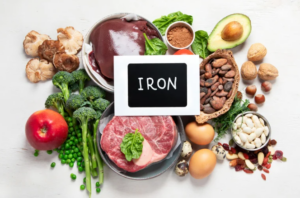
Iron-rich foods include:
- Lean beef
- Chicken and turkey
- Fish and seafood
- Eggs
- Beans
- Lentils
- Tofu
- Spinach and other leafy greens
- Iron-fortified breakfast cereals
- Fortified breads and grains
There is also a useful trick for plant-based iron. Eating beans, lentils, spinach, or fortified grains with a source of vitamin C can help the body absorb the iron. A bowl of beans with tomatoes or peppers is a simple example.
Teen girls with very heavy periods, ongoing tiredness, dizziness, or other signs of possible anemia should talk with a healthcare professional rather than simply taking iron pills on their own.
Calcium Builds Strong Bones
Bones may look solid and permanent, but during adolescence they are still being built.
Calcium is especially important during the teen years because a large amount of bone mass is developed during this period. Girls ages 9–18 need about 1,300 mg of calcium a day.
Good calcium sources include:
- Milk
- Yogurt
- Cheese
- Calcium-fortified soy milk
- Calcium-set tofu
- Canned salmon with bones
- Some leafy green vegetables
- Calcium-fortified foods
A teenager who does not drink milk can still get calcium. The important thing is to replace it with another reliable source rather than simply removing dairy and forgetting about calcium.
This matters because strong bones are not something that can be “fixed” later with a quick change in diet. The teen years are an important opportunity to build a strong foundation.
Vitamin D Helps the Body Use Calcium
Calcium gets much of the attention, but vitamin D is part of the same story.
The body needs vitamin D to absorb calcium. Vitamin D also has roles in muscles, nerves, and immune function. Teens ages 14–18 need about 600 IU (15 mcg) of vitamin D daily.
Food sources include fatty fish, egg yolks, and fortified foods such as some milk and plant-based milk products.
Sunlight can also help the body make vitamin D, although sun exposure needs to be balanced with good skin protection. A teenager should not intentionally burn her skin to get vitamin D.
If a teen has very limited dietary sources or has been told she has low vitamin D, a healthcare professional can advise whether a supplement is appropriate.
Fruits and Vegetables Should Show Up Every Day
This sounds like familiar advice, but there is a reason it keeps coming up.
Fruits and vegetables provide fiber, vitamins, minerals, and many plant compounds that support overall health. They also add variety to meals, which is useful because no single fruit or vegetable contains everything the body needs.
The WHO recommends a varied diet built around foods such as vegetables, fruits, whole grains, beans, nuts, and other minimally processed foods. For people over age 10, WHO recommends at least 400 grams of fruits and vegetables a day.
That does not mean a teenager needs to carry a kitchen scale around.
An easier approach is to include some fruit or vegetables at most meals and snacks. An apple with peanut butter, berries with yogurt, carrots with hummus, or vegetables added to a rice bowl all count.
Fresh is great, but frozen and canned vegetables can also be useful. Convenience does not make a food unhealthy.
Whole Grains Provide Steady Energy
Teenagers are busy.
School starts early. There may be sports after school, homework in the evening, and a long list of activities in between. Carbohydrates provide the body with energy, and whole grains can be a nutritious source.
Good choices include:
- Oatmeal
- Brown rice
- Whole-grain bread
- Whole-grain pasta
- Barley
- Quinoa
- Whole-grain cereals
- Corn and other whole or minimally processed grains
The goal is not to avoid carbohydrates. Growing teenagers need energy.
The WHO recommends that carbohydrates come mainly from foods such as whole grains, vegetables, fruits, and pulses.
A teenager who cuts out carbohydrates because she is afraid of gaining weight may end up making it harder to meet her energy and nutrient needs.
Healthy Fats Are Important Too
“Fat” is not a bad word when talking about nutrition.
The body needs dietary fat for energy, cell membranes, and the absorption of certain vitamins. Healthy sources can fit easily into a teenager's diet.
Try foods such as:
- Avocados
- Nuts
- Seeds
- Nut butters
- Olive oil
- Fatty fish
- Eggs
Salmon, sardines, and other fatty fish are especially useful because they provide omega-3 fats along with protein and other nutrients.
This is another reason extreme low-fat diets are not a good choice for growing teenagers. A balanced diet needs some healthy fat.
Do Teen Girls Need to Eat Breakfast?
There is no magical rule saying every teenager must eat a huge breakfast at 7 a.m.
But skipping meals regularly can make it much harder to get enough nutrition across the day.
A teenager who is not hungry early in the morning might prefer something small, such as yogurt and fruit, toast with peanut butter, a banana and milk, or a simple egg sandwich. Another teen may be ready for oatmeal, eggs, or a full breakfast.
The important thing is not to turn breakfast into another source of pressure. The bigger concern is whether the teenager is regularly getting enough food and nutrients overall.
Healthy Snacks Can Make a Big Difference
Teenagers often need snacks because they are active and growing.
A snack does not have to be a packaged “health food.” Simple combinations work well because they provide more than one nutrient.
Some easy ideas include:
- Apple + peanut butter
- Yogurt + berries
- Banana + handful of nuts
- Whole-grain crackers + cheese
- Hummus + carrots
- Toast + egg
- Trail mix with nuts and dried fruit
- Smoothie made with fruit, yogurt, and milk
A snack that combines protein or healthy fat with carbohydrates often keeps a teenager satisfied longer than a sugary drink or candy alone.
What About Sweets and Fast Food?
There is no need to ban them.
Teenagers will probably eat pizza, burgers, fries, ice cream, cookies, or candy sometimes. That is part of normal life.
The problem comes when these foods replace most of the nutritious foods in the diet. The WHO recommends limiting foods and drinks high in free sugars, unhealthy fats, and sodium while building meals around a variety of nutritious foods.
A practical approach is to think about the overall pattern rather than one meal.
Pizza with vegetables and a side of fruit is different from a daily diet made almost entirely of fast food. One cookie is not a nutrition crisis. Likewise, eating vegetables once does not cancel out a week of poor eating.
Balance matters much more than perfection.
Water Should Be the Main Drink
Teen girls need fluids throughout the day, especially during exercise or hot weather.
Water is usually the simplest choice. Milk can provide protein, calcium, and other nutrients. Fortified soy milk can also be useful for teenagers who do not drink dairy milk.
Sugary drinks can add a lot of sugar without providing much nutrition. Soda, sweetened tea, sports drinks, energy drinks, and sweet coffee beverages can become an easy source of excess sugar when consumed often.
Water does not need to be boring, either. Cold water, sparkling water, or water with fruit added can make it more appealing.
What Should Teen Girls Eat During Their Period?
Periods do not require a completely different diet.
But some nutrients become especially worth paying attention to. Iron is the big one because menstrual bleeding causes iron loss. Foods containing iron can be included regularly rather than trying to “catch up” during the few days of a period.
Some girls also notice changes in appetite or cravings before and during their periods. That is not unusual.
Instead of fighting every craving, it can help to pair comfort foods with nutritious foods. For example, chocolate can be enjoyed alongside a balanced meal rather than replacing it. A yogurt-and-fruit snack may satisfy a sweet craving while also providing protein and calcium.
There is no need for a special “period detox.”
Should Teen Girls Take a Multivitamin?
Not every healthy teenager needs one.
A varied diet is usually the best way to get nutrients. Supplements can be useful in certain situations, such as a diagnosed deficiency, a restricted diet, or a medical condition that affects nutrient absorption.
But supplements are not automatically harmless just because they are sold without a prescription. Some nutrients can be harmful in excessive amounts.
Iron is a good example. It is essential, but too much iron can be dangerous. A teenager should not start high-dose iron supplements simply because she feels tired without first discussing the problem with a healthcare professional.
The same basic rule applies to vitamin D and other supplements: food first when possible, supplements when there is a good reason.
What If a Teen Girl Is Vegetarian or Vegan?
A plant-based diet can provide plenty of nutrition, but it needs some planning.
Protein can come from beans, lentils, tofu, tempeh, nuts, seeds, and other plant foods. Iron can come from beans, lentils, fortified cereals, tofu, leafy greens, and other foods.
Vitamin B12 deserves special attention for people following a vegan diet because natural B12 is found mainly in animal foods. Fortified foods or a supplement may be needed.
Calcium and vitamin D also need to be planned carefully. Fortified soy milk, calcium-set tofu, and other fortified foods can help.
Because puberty is a period of rapid growth, a teen following a vegetarian or vegan diet may benefit from talking with a pediatrician or registered dietitian to make sure the diet is covering all key nutrients.
What If She Is Worried About Gaining Weight?
This is where adults need to be careful.
Puberty naturally changes body shape. Hips may become wider. Breasts develop. Weight increases. Body fat distribution changes. These are normal parts of female development.
A teenager who suddenly feels uncomfortable with her changing body may start skipping meals, avoiding entire food groups, counting calories, or exercising excessively.
Those behaviors deserve attention.
The American Academy of Pediatrics warns that adolescence is a period when concerns about body image can lead some young people toward restrictive eating and eating disorders.
Healthy eating during puberty should support growth, not fight against it.
If a teen is afraid of food, frequently skips meals, feels guilty after eating, or becomes intensely focused on weight or body shape, a healthcare professional should be involved early.
A Simple Way to Build a Teen Girl's Meal
There is no need to calculate every nutrient at every meal.
A simple plate can include:
- Protein: chicken, fish, eggs, tofu, beans, yogurt, or another protein food
- Grain or starchy food: rice, potatoes, oats, pasta, bread, or another grain
- Vegetables or fruit: ideally more than one type across the day
- Healthy fat: nuts, seeds, avocado, olive oil, or fatty fish
- Calcium-rich food: milk, yogurt, cheese, fortified soy milk, or another calcium source
Not every meal needs every category perfectly.
Maybe lunch is a turkey sandwich, apple, yogurt, and water. Dinner might be rice, tofu, broccoli, and salmon. Another day could look completely different.
Variety over time matters more than making every plate look like a nutrition textbook.
A Sample Day of Eating During Puberty
Here is what a normal day might look like:
Breakfast:
Oatmeal made with milk, topped with banana and nuts.
Morning snack:
Yogurt and berries.
Lunch:
Chicken or bean wrap with vegetables, plus an orange.
After-school snack:
Whole-grain crackers with cheese, or an apple with peanut butter.
Dinner:
Rice, salmon or tofu, cooked vegetables, and fruit.
Evening snack if hungry:
A glass of milk, yogurt, toast, or fruit with nut butter.
This is only an example, not a required menu. Appetite changes from day to day, and energy needs vary with age, growth, activity, and other factors.
A teenager who is very active may need substantially more food than this. A smaller teen may need less.
What Foods Should Teen Girls Avoid?
There is no long list of foods that healthy teenagers must completely avoid.
Instead, some foods and drinks are best kept as occasional choices rather than daily staples:
- Sugary drinks
- Energy drinks
- Large amounts of candy
- Highly processed snack foods
- Foods very high in sodium
- Foods high in added sugars
But even these foods do not need to become “forbidden.”
Labeling foods as completely bad can sometimes make teenagers think about them even more. A balanced attitude toward food is healthier and easier to maintain.
What About Energy Drinks?
Energy drinks deserve extra caution.
Teenagers may use them because they are tired, studying late, or playing sports. But caffeine and other stimulants can interfere with sleep and may cause other problems.
A teenager who is constantly exhausted should not simply keep adding caffeine. The underlying issue may be too little sleep, not enough food, stress, anemia, or another health concern.
Water and regular meals are much better foundations for daily energy.
Food Should Not Become Another Source of Stress
A healthy diet is important, but teenagers should not feel that every meal has to be perfect.
Some days will include more vegetables. Some days will include more snacks. Sometimes dinner will be takeout because the family is busy.
That is normal.
What matters is the overall pattern. WHO describes a healthy diet using four useful ideas: adequacy, balance, moderation, and diversity.
Those four words are actually a much better guide than a long list of “good” and “bad” foods.
When Should Parents Talk to a Doctor?
Nutrition concerns deserve attention when a teenager has ongoing fatigue, dizziness, fainting, significant changes in weight, very heavy periods, poor growth, stomach problems that affect eating, or signs of restrictive eating.
Iron deficiency is particularly worth considering in teen girls with heavy menstrual bleeding. Recent AAP guidance has highlighted iron deficiency as an important concern during childhood and adolescence.
Medical advice is also important if a teenager follows a very restricted diet, has a diagnosed medical condition, or takes supplements regularly.
A pediatrician or registered dietitian can look at the whole picture instead of focusing on one food or one nutrient.
The Main Goal Is Growth, Not a Perfect Diet
Puberty is not the time to chase a perfect body.
It is a time to give the body enough energy and nutrients to do what it is supposed to do.
For most teen girls, that means regular meals, enough protein, plenty of fruits and vegetables, whole grains, healthy fats, calcium-rich foods, and reliable sources of iron. Water should be the main drink, while highly sugary and heavily processed foods can stay in the “sometimes” category.
And there is room for pizza. There is room for birthday cake. There is room for ice cream.
Healthy eating is not about making a teenager afraid of food. It is about giving her body what it needs while she is growing into an adult.
FAQ
Should teen girls drink milk during puberty?
Milk is one convenient source of calcium, protein, and often vitamin D, but it is not the only option. Yogurt, cheese, calcium-fortified soy milk, calcium-set tofu, canned salmon with bones, and some other foods can also provide calcium.
What should a teenage girl eat during her period?
She should continue eating regular balanced meals and pay particular attention to iron-rich foods such as meat, seafood, beans, lentils, tofu, leafy greens, and iron-fortified grains. Vitamin C-rich foods can help the body absorb plant-based iron.
Can teen girls eat junk food during puberty?
Yes. Foods such as chips, candy, fast food, and desserts can fit into a balanced diet. The bigger concern is when highly processed or sugary foods regularly replace more nutritious foods.
Should teen girls avoid carbohydrates?
No. Carbohydrates provide energy, which is important during growth and physical activity. Whole grains, fruits, vegetables, beans, and other minimally processed carbohydrate foods are nutritious choices.
Should teen girls take vitamins during puberty?
Not every teen needs a vitamin supplement. A varied diet is usually the best starting point. Supplements may be appropriate when there is a nutrient deficiency, restricted diet, medical condition, or another specific reason. A healthcare professional can help decide what is needed.