Teen girls are often hungry between meals. That is not necessarily a bad thing.
During puberty, the body is growing quickly. Bones are getting stronger, muscles are developing, hormones are changing, and the brain is still developing. Add school, sports, homework, friends, and a busy schedule, and it makes sense that a girl may need food several times a day.
The problem is that snacks are often the easiest food to grab. Chips, cookies, candy, sweet drinks, and packaged snacks are everywhere. They are convenient, and they taste good. But they may not keep a hungry teenager satisfied for very long.
A good snack does not have to be perfect. It simply needs to do something useful. It can provide protein, fiber, healthy fats, calcium, iron, vitamins, or enough energy to get a girl through the next few hours. Snacks can also be a practical way to add fruits, vegetables, whole grains, and protein foods to a teen's diet. The American Academy of Pediatrics specifically recommends using snack time as an opportunity to increase nutrient-rich foods.
Why Teen Girls Need Healthy Snacks
Teenagers are not small adults. Their nutritional needs are changing as they grow.
A girl who is going through a growth spurt may suddenly become much hungrier. A girl who plays soccer or dances several times a week may need more food than a friend who is less active. A teen who eats an early breakfast and has lunch several hours later may also genuinely need something in between.
This is why snacks should not be treated as something that needs to be “earned.” Hunger is a normal body signal. A nutritious snack can help fill the gap between meals and prevent a teenager from arriving at dinner feeling extremely hungry.
The U.S. Department of Agriculture's MyPlate guidance encourages a variety of fruits, vegetables, grains, protein foods, and dairy or fortified soy alternatives. These same food groups can be used to build simple snacks.

Dot's Pretzels Twists, 3-Flavor Snacks Variety Pack, 18 count
What Makes a Snack Healthy?
There is no single food that makes a snack healthy. The combination matters more.
A snack containing only a sugary carbohydrate may provide quick energy but leave a teen hungry again soon. Adding protein, fiber, or healthy fat can make the snack more satisfying.
A simple way to think about it is:
Carbohydrate + protein or healthy fat = a more satisfying snack
For example, an apple is a healthy food, but an apple with peanut butter may keep a hungry teenager satisfied longer. Whole-grain crackers are useful, but adding cheese or hummus makes the snack more balanced.
This does not mean every snack needs to contain several food groups. Sometimes a piece of fruit is exactly what a child wants. The goal is variety over the course of the day, not perfection at every snack.
1. Greek Yogurt With Fruit
Greek yogurt is an easy choice when a teen needs something filling but does not have much time.
It provides protein and calcium, while berries, bananas, peaches, or other fruit add carbohydrates, fiber, vitamins, and natural sweetness. A small amount of nuts or seeds can make it even more satisfying.
Choose plain or lower-sugar yogurt when possible, then add fruit for sweetness. There is no need to completely avoid flavored yogurt, either. A practical choice that a teen will actually eat is better than an “ideal” snack that sits untouched in the refrigerator.
Calcium is especially important during the teen years. Girls ages 14 to 18 need about 1,300 mg of calcium each day, and yogurt, milk, cheese, fortified soy foods, and some other foods can help provide it.
2. Apple or Banana With Peanut Butter
This is one of the easiest snacks for a busy school day.
Fruit provides carbohydrates and fiber. Peanut butter adds protein and fat, which can make the snack more filling. Almond butter or another nut butter can work too.
For a teen with a nut allergy, sunflower seed butter can be an alternative. School rules about nuts should always be followed.
This type of snack is especially useful after school, when a girl may have several hours before dinner. It is also easy to take along for activities, although nut butters need to be stored safely in hot weather.
3. Hummus With Vegetables
Carrots, cucumber, bell peppers, snap peas, and celery can become much more appealing when served with hummus.
Hummus provides protein and healthy fats from chickpeas and tahini. Vegetables add fiber and a range of vitamins and minerals.
This is also a good example of why healthy food does not need to be complicated. A container of hummus and a bag of prepared vegetables can become a snack in less than a minute.
For a teen who needs more energy, add whole-grain pita or crackers.
4. Cheese and Whole-Grain Crackers
Cheese and whole-grain crackers are a practical combination for school, homework, or after-school activities.
Cheese provides protein and calcium. Whole-grain crackers provide carbohydrates and fiber. The American Academy of Pediatrics recommends whole grains as part of children's and adolescents' diets, including foods such as oatmeal, whole-wheat bread, and brown rice.
Look for whole grains as an actual ingredient rather than assuming that a product is whole grain because the package looks healthy. Checking the ingredient list can be more useful than relying on the front of the package.
5. Hard-Boiled Eggs
Hard-boiled eggs are small, inexpensive, and surprisingly useful as a snack.
Eggs provide protein and several important nutrients. Pair an egg with fruit, whole-grain toast, or a few whole-grain crackers when a teen needs a more substantial snack.
They can be prepared ahead of time and kept refrigerated, making them convenient for busy families.
For girls who do not eat much meat, eggs can also contribute some iron to the diet. However, they should not be the only iron source, especially for girls who have periods.
6. Oatmeal With Fruit and Nuts
Oatmeal is not only a breakfast food.
A small bowl of oatmeal can make a warm and satisfying afternoon or evening snack. Add sliced banana, berries, cinnamon, nuts, seeds, or milk.
Oats provide whole grains and fiber. Nuts and seeds add healthy fats and protein. Milk adds protein and calcium.
This can be particularly useful on cold days or after a long school day when a cold snack does not sound appealing.
7. Fresh Fruit and Nuts
A piece of fruit with a small handful of nuts is simple but effective.
Try apples and almonds, bananas and walnuts, oranges and pistachios, or berries with pumpkin seeds. Different combinations keep the snack from becoming boring.
Nuts and seeds can also provide minerals such as magnesium and iron, depending on the type. For younger teens, choose an appropriate texture and size to reduce choking risk.
Portions do not need to be tiny just because nuts are energy-dense. Teen girls who are active or going through a growth spurt may need substantial snacks.
8. Cottage Cheese With Fruit
Cottage cheese is another protein-rich option that can work with sweet or savory foods.
Try cottage cheese with pineapple, berries, peaches, or sliced tomatoes. A few whole-grain crackers can turn it into a more complete snack.
Some teens love cottage cheese immediately. Others do not. Food preferences vary, and there is no reason to force a particular “healthy” food. The bigger goal is to have several nutritious options available.
9. Whole-Grain Toast With Avocado
Avocado toast is more than a trendy breakfast.
Whole-grain bread provides carbohydrates and fiber, while avocado provides healthy unsaturated fat. Add a boiled egg for extra protein if the teen is particularly hungry.
A little seasoning can make a big difference. Tomato slices, cucumber, sesame seeds, or a small amount of cheese can change the flavor without turning the snack into a complicated recipe.
10. Smoothies
Smoothies can be useful for teens who are not very hungry in the morning or who need something quick after sports.
A simple smoothie might contain milk or fortified soy milk, banana, berries, yogurt, and a spoonful of nut or seed butter. Spinach can also be added, although there is no need to turn every smoothie into a giant “superfood” drink.
One caution: smoothies can become very large very quickly. Drinking several pieces of fruit at once is not necessarily better than eating whole fruit. For everyday snacks, keep the portion reasonable and include ingredients that provide protein or healthy fat.
11. Edamame
Edamame is an easy plant-based snack that provides protein, fiber, and other nutrients.
Frozen edamame can be cooked quickly and served warm or chilled. A little seasoning can make it more appealing to teens who prefer savory foods.
It can also be added to a small bowl of rice or noodles when a snack is really becoming a mini-meal.
For vegetarian or vegan teen girls, foods such as soybeans, tofu, beans, lentils, nuts, seeds, and fortified foods can help provide important nutrients.
12. Roasted Chickpeas
Roasted chickpeas have a crunchy texture that can make them a useful alternative to chips.
Chickpeas provide plant protein and fiber. They can be seasoned with paprika, garlic, cinnamon, or other flavors.
They are easy to pack, although homemade versions should be stored properly and eaten while fresh. Store-bought roasted chickpeas can also work, but checking sodium levels is worthwhile.
13. Popcorn With Fruit
Popcorn can absolutely fit into a healthy snack routine.
Plain or lightly seasoned popcorn provides whole grains and can be quite filling because of its volume. Pair it with fruit or a protein food if more staying power is needed.
The issue is usually not popcorn itself. It is what gets added to it. Large amounts of butter, salt, sugar, or heavily flavored coatings can turn a simple snack into something very different.
There is no need to make popcorn completely plain, though. A little seasoning can make it enjoyable.
14. Trail Mix
Trail mix can be a great snack for active teen girls because it is portable and energy-rich.
A homemade version might include:
- Unsalted nuts
- Pumpkin or sunflower seeds
- Raisins or dried cranberries
- Whole-grain cereal
- A small amount of dark chocolate
- Dried fruit
There is no need to remove every sweet ingredient. A few chocolate pieces can make the mix more enjoyable and may make a teen more likely to choose it.
The main thing is to avoid turning trail mix into a large bowl that is eaten mindlessly. Because nuts and dried fruit are concentrated sources of energy, a small container is often enough for a snack.
15. Milk or Fortified Soy Milk With a Snack
Milk can be an easy addition to a snack, especially for teens who do not regularly eat yogurt or cheese.
Milk provides protein, calcium, and other nutrients. Fortified soy milk can provide a similar nutritional role for teens who avoid dairy. Not every plant-based drink has the same amount of protein or calcium, so checking the label matters.
Vitamin D also matters because it helps the body absorb calcium. Teens ages 14 to 18 need about 600 IU of vitamin D per day.
A glass of milk with whole-grain toast, fruit, or a small sandwich can be much more satisfying than a sugary drink.
16. Iron-Rich Snacks Matter for Teen Girls
Iron deserves special attention in teenage girls.
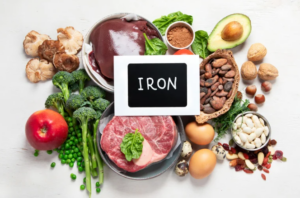
Once periods begin, girls lose some iron through menstrual bleeding. Girls ages 14 to 18 generally need 15 mg of iron per day. Teen athletes may have higher needs in some circumstances.
Useful iron-containing snacks include:
- Hummus with whole-grain pita
- Pumpkin seeds
- Fortified breakfast cereal with milk
- Hard-boiled eggs
- Beans or roasted chickpeas
- Dried fruit with nuts
- Tofu bites
- Leftover lean meat in a small sandwich
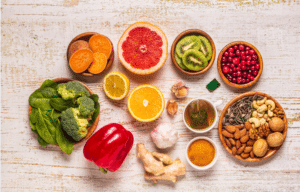
Plant-based iron is absorbed less easily than heme iron from animal foods. Pairing plant sources with vitamin C foods, such as strawberries, oranges, kiwi, or bell peppers, can help improve absorption.
For a girl who has heavy periods and is frequently tired, dizzy, or pale, food alone may not be enough. A health care provider may need to check iron levels.
17. Snacks Before Sports
The right pre-exercise snack depends on the timing and intensity of the activity.
If there is only a short time before practice, something easy to digest may work well. A banana, applesauce, toast, crackers, or yogurt can be enough.
If there are one or two hours before practice, a more substantial snack may work better. A peanut butter sandwich, yogurt with fruit, oatmeal, or cheese and crackers can provide more lasting energy.
The biggest mistake is waiting until practice is over to eat after going several hours without food. A teen who starts exercise already hungry may feel weak, dizzy, or unable to perform well.
18. Snacks After Sports
After exercise, the body needs both fluids and food.
A snack containing carbohydrates and protein can help replace energy and support recovery. Chocolate milk, yogurt and fruit, a turkey sandwich, peanut butter toast, or a smoothie can all work.
The snack does not need to be marketed as a special “sports recovery” product. Regular foods are often perfectly adequate.
Sports drinks and energy drinks are also not necessary for most everyday practices. Energy drinks are especially unsuitable for children and teens because of their high caffeine content.
19. Easy School Snacks for Busy Teen Girls
School snacks need to survive a backpack, fit into a small container, and ideally not make a mess.
Some practical choices include:
- Apple slices and peanut butter
- Whole-grain crackers and cheese
- Clementines and almonds
- Yogurt
- Roasted chickpeas
- Homemade trail mix
- A banana
- Hummus with pita
- Whole-grain granola with low added sugar
- A small sandwich
- Edamame
A reusable container with two or three sections can make this much easier. One section can hold fruit, another protein, and another a grain or crunchy food.
The less work required, the more likely the snack will actually get eaten.
20. Healthy Snacks Do Not Have to Be Perfect
This is an important point, especially for teenage girls.
There is a big difference between teaching healthy eating and teaching food fear. A teen should not grow up believing that cookies are “bad,” fruit is “good,” or every snack has to be low calorie.
Food provides more than calories. It is also part of family life, celebrations, culture, comfort, and enjoyment.
A cookie after school does not ruin a healthy diet. Neither does ice cream with friends. What matters much more is the overall eating pattern across days and weeks.
The Dietary Guidelines emphasize healthy eating patterns rather than judging individual foods in isolation. For adolescents, having convenient access to nutritious foods and involving them in food choices can help support healthier habits as they become more independent.
21. How Parents Can Make Healthy Snacking Easier
Teenagers are busy. Expecting them to prepare complicated snacks every day is probably unrealistic.
A better strategy is to make nutritious choices convenient.
Keep washed fruit visible. Put yogurt where it is easy to grab. Prepare boiled eggs ahead of time. Keep whole-grain crackers and hummus available. Make a batch of trail mix for the week.
It also helps to let teenagers choose some of their own foods. Take them grocery shopping. Ask which fruits they actually like. Let them choose between yogurt and cheese, apples and bananas, or hummus and peanut butter.
Independence matters during adolescence. A teen who helps choose and prepare food is more likely to develop practical eating skills than one who simply hears repeated instructions about what she “should” eat.
22. What About Chips, Cookies, and Candy?
They can still have a place.
Healthy eating does not mean removing every snack food that contains sugar, salt, or fat. Doing so can make food unnecessarily stressful and may even make restricted foods more exciting.
The bigger concern is when highly processed snack foods regularly replace meals, fruits, vegetables, whole grains, protein foods, and other nutrient-rich choices.
A balanced approach might be fruit and yogurt most days, with cookies or chips sometimes included. There is room for both.
The goal is not a perfectly clean diet. The goal is a teenager who gets enough food and enough nutrients while developing a relaxed, sensible relationship with eating.
23. A Simple Healthy Snack Formula
When standing in the kitchen wondering what to give a hungry teenager, there is no need for a complicated nutrition calculation.
Try choosing one item from two groups:
Fruit or vegetable + protein
Apple + peanut butter
Carrots + hummus
Berries + Greek yogurt
Whole grain + protein
Whole-grain crackers + cheese
Toast + egg
Oatmeal + nuts
Dairy or fortified soy + fruit
Yogurt + banana
Milk + berries
Fortified soy milk + whole-grain toast
This simple approach creates variety without making snack time feel like homework.
FAQ
Is fruit a good snack for teenage girls?
Absolutely. Fruit provides carbohydrates, fiber, vitamins, minerals, and water. Pairing fruit with yogurt, cheese, nuts, seeds, or nut butter can make a more filling snack.
Should teen girls avoid snacks at night?
Not necessarily. If a teen is genuinely hungry, a small nutritious snack can be reasonable. Hunger at night may simply mean dinner was early, the teen is growing, or the day's activity level was high.
Are healthy snacks important during puberty?
Yes. Puberty increases the body's need for energy and nutrients. Regular nutritious snacks can help support growth, school activities, sports, and overall nutrition.
Can healthy snacks help with teen acne?
Food choices may affect acne for some teens, but there is no single snack that prevents acne. A balanced eating pattern is more useful than cutting out individual foods without a clear reason.