Iron deficiency is common in teenage girls, especially after periods begin. The body needs iron to make hemoglobin, a part of red blood cells that carries oxygen around the body. When iron levels drop, the body may struggle to deliver enough oxygen to the muscles, brain, and other tissues.
The tricky part is that iron deficiency can start quietly. A teen may seem tired, lose focus in class, or feel less interested in sports without realizing that low iron could be part of the problem. These signs are easy to blame on school stress, busy schedules, poor sleep, or puberty. Sometimes that is the reason. But when symptoms keep coming back, iron levels deserve a closer look.
Why Teen Girls Are More Likely to Have Low Iron
Teen girls need more iron during puberty because their bodies are growing quickly. Blood volume increases, muscles develop, and the body needs more oxygen. Once menstruation begins, iron is also lost through menstrual bleeding.
Girls ages 14 to 18 generally need about 15 milligrams of iron each day. Some teens may need more, especially if they have heavy periods, follow a vegetarian or vegan diet, take part in intense sports, or do not eat enough overall. Plant foods can provide iron, but the body does not absorb plant-based iron as easily as the iron found in meat and seafood.

OLLY Teen Girl Multi Gummy, Healthy Skin and Immune Support*- 70 Count
Feeling Tired All the Time
One of the most common signs of iron deficiency is unusual tiredness. This is more than feeling sleepy after a late night. A teen may feel worn out even after getting enough sleep. Normal tasks, such as walking upstairs, getting ready for school, or doing homework, may suddenly feel harder.
Some teens describe it as feeling “drained” or having no energy left. They may stop joining friends after school because they feel too tired. They might also need more breaks during sports or physical activity. Low iron can reduce the amount of oxygen reaching the body’s tissues, which can make everyday activities feel much more difficult.
Of course, tiredness has many possible causes. Sleep problems, stress, low mood, illness, and not eating enough can all lead to fatigue. But tiredness that lasts for weeks, especially when combined with heavy periods or pale skin, should not be ignored.
Looking Pale
Pale skin can be another sign of low iron or iron-deficiency anemia. The lips, gums, inside of the lower eyelids, or nail beds may look lighter than usual. A teen may also look pale after exercise or seem to have less color in the face.
Paleness is not always easy to notice, especially in darker skin tones. It may be more useful to look at areas such as the inside of the eyelids, gums, or palms rather than judging the whole face. Still, skin color alone cannot confirm iron deficiency. A blood test is needed to know what is happening.
If a teen looks unusually pale and also feels weak, dizzy, or short of breath, it is worth arranging a medical check. These symptoms can have several causes, but anemia is one possibility.
Trouble Paying Attention
Low iron may affect concentration, memory, and mental energy. A teen who usually does well in school may suddenly find it hard to follow a lesson, remember instructions, or finish homework. Reading the same paragraph several times may become common.
This can be especially frustrating because the teen may still want to do well but feel unable to stay focused. Teachers or parents may mistake the change for laziness, lack of effort, or too much screen time. Sometimes the real issue is that the body is not getting what it needs.
Iron is important for brain function as well as red blood cell production. If a noticeable change in school performance happens along with tiredness, headaches, or heavy periods, low iron should be considered as one possible cause.
Headaches and Dizziness
Frequent headaches can happen when iron levels are low, particularly when iron deficiency has progressed to anemia. A teen may also feel dizzy when standing up quickly, walking across a room, or exercising.
Some girls describe feeling lightheaded, weak, or as if they might faint. These symptoms can also happen with dehydration, low blood pressure, not eating enough, or other health problems. They should not automatically be blamed on iron deficiency.
A teen who faints, has severe dizziness, has chest pain, or has trouble breathing needs prompt medical care. These are not symptoms to manage only by changing food choices.
Shortness of Breath or a Fast Heartbeat
When the blood carries less oxygen, the heart and lungs may work harder to keep up. A teen may become short of breath during activities that used to feel easy. Running, climbing stairs, or walking quickly may cause unusual breathlessness.
Some teens notice a racing or pounding heartbeat. Others feel their heart beating harder after only mild activity. These symptoms can be alarming, but they do not always mean something serious. Iron deficiency is one possible cause, while asthma, anxiety, heart problems, and other conditions can also cause them.
Shortness of breath at rest, chest pain, fainting, or a very fast heartbeat should be checked urgently. Do not assume these symptoms are simply part of puberty.
Weakness and Poor Exercise Performance
A teen with low iron may feel weaker than usual. Sports practice may become harder, and recovery after exercise may take longer. A girl who once enjoyed running, dancing, swimming, or playing soccer may suddenly struggle to keep up.
This does not always happen because the muscles are weak. The body may simply have less oxygen available for the work. Some teens also notice aching legs, poor stamina, or a strong need to rest after activity.
Athletes can be at greater risk if they train hard, sweat heavily, eat too little, or have menstrual blood loss. Heavy exercise does not cause iron deficiency by itself, but it can add to the body’s needs. A sports-focused teen who feels unusually tired should not try to push through every symptom.
Feeling Cold
Some people with low iron feel cold more often than usual. Their hands and feet may stay cold, even when the room feels comfortable to others. This is not a specific sign, but it can appear along with fatigue, pale skin, and weakness.
Feeling cold can also be linked to low body weight, thyroid problems, poor circulation, or simply the weather. It is not enough to diagnose iron deficiency. Still, when several signs appear together, it gives a doctor more information to consider.
Hair Shedding and Brittle Nails
Low iron may sometimes be linked with increased hair shedding or changes in the nails. Hair may seem thinner, or more strands may come out during washing or brushing. Nails may become weak, thin, or easy to break.
These changes have many possible causes. Hormone changes, stress, illness, low protein intake, thyroid problems, and other nutrient shortages can also affect hair and nails. Iron supplements should not be started just because hair is shedding.
A health care provider can decide whether iron testing makes sense. Taking extra iron without a confirmed need is not harmless, since too much iron can be toxic.
Craving Ice or Non-Food Items
One unusual sign of iron deficiency is a strong craving for ice. This is called pagophagia. A teen may chew ice every day or feel unable to stop.
Some people with iron deficiency also crave non-food items such as paper, clay, chalk, or dirt. This is called pica. It can be embarrassing for a teen, so a calm and respectful response matters. The behavior is not a reason to shame or punish the child.
Craving ice or non-food items does not prove that iron is low, but it is a useful clue. A doctor may recommend blood tests to check iron levels and anemia.
Changes During Menstrual Periods
Heavy periods are one of the most important risk factors for iron deficiency in teen girls. A period may be considered heavy when bleeding lasts more than seven days, soaks through a pad or tampon every one to two hours, causes nighttime changes, or includes large clots.
A teen may also feel exhausted during or after her period. She might miss school, avoid sports, or need to change period products very often. These are not simply problems that she must “get used to.” Heavy menstrual bleeding deserves medical attention because it can lead to iron deficiency and anemia.
Who Is at Higher Risk?
Iron deficiency can affect any teen, but the risk is higher for girls who:
- Have heavy or long-lasting periods
- Eat little meat, seafood, or other iron-rich foods
- Follow a vegetarian or vegan diet without careful planning
- Skip meals or follow strict diets
- Have a poor appetite
- Train intensely for sports
- Have digestive problems that affect nutrient absorption
- Have recently had surgery or blood loss
- Have a chronic health condition
- Have frequent nosebleeds or another source of blood loss
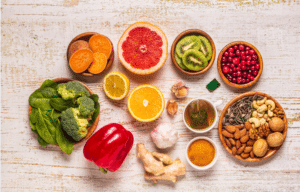
A vegetarian or vegan teen can meet her iron needs, but meals need to include iron-rich plant foods such as lentils, beans, tofu, fortified cereal, pumpkin seeds, and leafy greens. Pairing these foods with vitamin C from oranges, strawberries, bell peppers, kiwi, or broccoli can help the body absorb more plant-based iron.
How Iron Deficiency Is Diagnosed
Symptoms can suggest low iron, but they cannot confirm it. A health care provider may ask about diet, periods, exercise, sleep, stomach problems, and family history. Blood tests may include:
- A complete blood count, often called a CBC
- Hemoglobin and hematocrit
- Ferritin, which shows stored iron
- Other iron tests when needed
The American Academy of Pediatrics recommends attention to iron screening in adolescent girls, especially within a year of the first period and no later than age 14. Newer guidance also highlights the importance of checking teens who have heavy menstrual bleeding or other risk factors.
A doctor may recommend iron-rich foods, an iron supplement, or treatment for heavy periods. The right plan depends on the test results and the reason iron is low.
Can Food Alone Fix Iron Deficiency?
Iron-rich foods are important, but food alone may not correct moderate or severe deficiency. A teen with low iron stores may need more iron than food can provide. Oral iron treatment works well for many children and teens when it is used as directed. <Cite ref="turn0search1" />
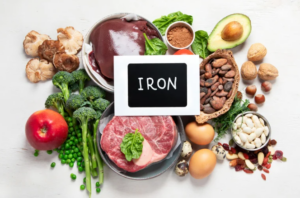
Good food choices include lean beef, turkey, chicken, fish, shellfish, lentils, beans, tofu, iron-fortified cereal, spinach, pumpkin seeds, nuts, and dried fruit. Meat and seafood contain heme iron, which the body absorbs more easily. Plant foods contain nonheme iron, which is absorbed less easily but still contributes to a healthy diet.
Iron supplements should not be shared or taken “just in case.” Too much iron can cause stomach pain, vomiting, constipation, and serious poisoning. Keep iron tablets away from young children.
When Should a Teen See a Doctor?
Make a medical appointment if a teen has:
- Ongoing tiredness that affects daily life
- Heavy or long-lasting periods
- Pale skin with weakness or dizziness
- Frequent headaches
- Shortness of breath during normal activity
- A racing heartbeat
- Cravings for ice or non-food items
- A sudden drop in school or sports performance
- Hair shedding or brittle nails along with other symptoms
Seek urgent care for fainting, chest pain, severe breathing trouble, confusion, or heavy bleeding that will not slow down.
Iron deficiency is treatable, and early care can help a teen feel stronger, think more clearly, and return to normal activities. The goal is not simply to make the blood test look better. It is to find out why iron became low and prevent the problem from returning.
FAQ
Should teen girls take iron supplements?
Not every teen needs an iron supplement. Supplements should be used when a health care provider recommends them. Too much iron can be harmful.
What foods are high in iron for teen girls?
Good choices include lean red meat, poultry, seafood, beans, lentils, tofu, iron-fortified cereal, spinach, pumpkin seeds, nuts, and dried fruit. Vitamin C foods can help the body absorb plant-based iron.
How much iron do teenage girls need each day?
Girls ages 14 to 18 generally need 15 milligrams of iron daily. Individual needs may be different if a teen has heavy periods, follows a plant-based diet, or has another health concern.
Can iron deficiency happen without anemia?
Yes. Iron stores can become low before anemia develops. A teen may have symptoms even when the hemoglobin level is still in the normal range.