Back-to-school season brings many exciting changes. New teachers, new classmates, new school supplies, and new routines are all part of the experience. But for families managing food allergies, preparing school lunches can bring extra worry.
Peanut and tree nut allergies are among the most common food allergies in children. For some children, even a small amount of exposure can cause a serious allergic reaction. Because of this, many schools have nut-free or peanut-free rules to help create a safer environment for all students.
Packing a nut-free lunch does not mean children have to eat boring food every day. In fact, there are many creative and healthy lunch options that do not contain peanuts or tree nuts. With a little planning, parents can prepare meals that are safe, tasty, and enjoyable.
A good school lunch should do more than avoid allergens. It should give children enough energy to learn, play, and stay focused during the afternoon. The best lunches usually include a mix of protein, whole grains, fruits, vegetables, and healthy fats from safe sources.
Why Do Schools Have Nut-Free Lunch Policies?
Many schools create nut-free or peanut-free rules because food allergies can be dangerous. Children spend many hours together in classrooms, cafeterias, playgrounds, and buses. During these shared activities, accidental exposure can happen.
A child with a severe nut allergy may react after:
- Eating a food containing nuts
- Touching a surface with nut residue
- Sharing food with another student
- Coming into contact with crumbs or traces of allergens
Schools cannot remove every possible risk, but allergy policies help reduce the chances of accidental exposure.
It is important to understand that a nut-free policy is not about making one child “different.” It is about creating a safer space where children with allergies can participate in school activities without constant fear.
At the same time, parents often wonder what they can pack when traditional favorites like peanut butter sandwiches are not allowed. The good news is that there are many alternatives.
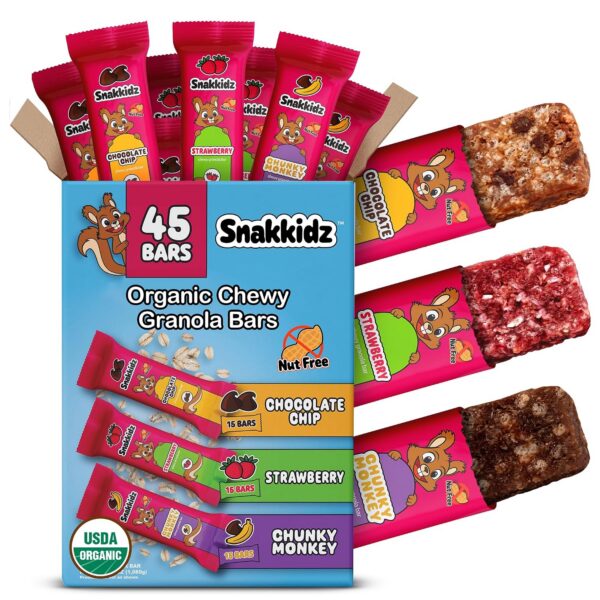
Snakkidz Organic Granola Bars, Variety Pack, Seed oil free, 45 Bars | Nut-Free & Allergen-Free
What Makes a Healthy Nut-Free School Lunch?
A healthy lunch does not need to be complicated. Children usually enjoy simple foods they recognize.
A balanced nut-free lunch often includes:
Protein
Protein helps children stay full and supports growth.
Nut-free protein options include:
- Eggs
- Chicken
- Turkey
- Cheese
- Yogurt
- Beans
- Lentils
- Hummus (if allowed by the school)
- Sunflower seed butter
Whole Grains
Whole grains provide longer-lasting energy.
Examples include:
- Whole-grain bread
- Whole-wheat tortillas
- Brown rice
- Whole-grain pasta
- Oat-based foods
Fruits and Vegetables
Colorful fruits and vegetables provide vitamins, minerals, and fiber.
Easy lunchbox choices include:
- Apple slices
- Strawberries
- Blueberries
- Carrot sticks
- Cucumber slices
- Cherry tomatoes
Healthy Fats
Healthy fats support children’s growth and brain health.
Nut-free choices include:
- Avocado
- Olive oil-based dressings
- Seeds if allowed by the school
- Dairy products
A lunch does not need to include every food group perfectly every day. The goal is creating a variety of nutritious choices throughout the week.
10 Easy Nut-Free School Lunch Ideas
1. Turkey and Cheese Roll-Ups
Turkey and cheese roll-ups are simple and easy for children to eat.
Use:
- Whole-wheat tortilla
- Turkey slices
- Cheese
- Lettuce or cucumber
Roll everything together and cut into small pieces.
Many children enjoy this lunch because it feels like a snack but provides a good balance of protein and carbohydrates.
Add fruit and vegetables on the side for a complete meal.
2. Sunflower Seed Butter Sandwich
For families missing peanut butter sandwiches, sunflower seed butter can be a helpful alternative.
A sunflower seed butter sandwich can be paired with:
- Whole-grain bread
- Banana slices
- Apples
- Low-sugar jam
However, always check with the school first. Some schools have rules about all seeds as well as nuts.
Food labels should also be checked carefully because products may be made in facilities that process nuts.
3. Chicken Wrap
Chicken wraps are easy to prepare and can be changed in many ways.
Possible ingredients:
- Grilled chicken
- Whole-wheat tortilla
- Cheese
- Lettuce
- Cucumber
- Yogurt-based sauce
This lunch provides protein and energy without needing nuts.
It can also be prepared the night before, which makes busy mornings easier.
4. Pasta Salad
Cold pasta salad is a popular school lunch because it can be prepared ahead.
A simple version may include:
- Whole-grain pasta
- Chicken or cheese
- Vegetables
- Olive oil dressing
Children often enjoy colorful pasta because it looks fun and different from regular sandwiches.
5. Egg Salad Sandwich
Eggs are an affordable and nutritious protein source.
An egg salad sandwich can include:
- Boiled eggs
- Yogurt or mayonnaise
- Whole-grain bread
- Lettuce
For younger children, cut sandwiches into smaller pieces to make them easier to handle.
6. Hummus and Veggie Wrap
If the school allows hummus, it can be a great nut-free lunch option.
A hummus wrap may include:
- Whole-wheat tortilla
- Hummus
- Carrots
- Cucumbers
- Lettuce
It provides protein and fiber while introducing children to different flavors.
7. Cheese and Crackers Lunch Box
Some children prefer small foods instead of a large sandwich.
A lunch box can include:
- Cheese cubes
- Whole-grain crackers
- Fruit slices
- Vegetables
- Yogurt
This style of lunch is easy to customize based on a child’s preferences.
8. Chicken Rice Bowl
A rice bowl can be filling and easy to prepare.
Options include:
- Brown rice
- Chicken
- Vegetables
- A small amount of sauce
Rice bowls can be made the night before and stored safely.
9. Mini Homemade Pizza
Many children love pizza. A homemade version can be healthier and easier to control.
Use:
- Whole-grain English muffin or flatbread
- Tomato sauce
- Cheese
- Vegetables
Prepare small portions that fit easily into lunch containers.
10. Breakfast-for-Lunch Box
Breakfast foods are not only for mornings.
A lunch box can include:
- Hard-boiled eggs
- Whole-grain waffles
- Fruit
- Yogurt
Many children enjoy the change from traditional lunch foods.
Tips for Packing Nut-Free Lunches Safely
Preparing a nut-free lunch requires more than avoiding peanuts and almonds. Cross-contact is also important.
Helpful tips include:
Read Food Labels Carefully
Ingredients can change. Always check labels, especially for packaged foods.
Look for warnings such as:
- “Contains peanuts”
- “Contains tree nuts”
- “May contain traces of nuts”
Use Separate Lunch Containers
If a family member eats peanut products at home, clean lunch containers carefully before using them for school meals.
Teach Children Not to Share Food
Many children naturally want to share snacks with friends. However, children with allergies may be at risk from foods that seem harmless.
Teach children:
“My food is for me, and your food is for you.”
Ask the School About Rules
Every school has different policies. Some may ban peanuts only, while others may avoid all nuts.
Knowing the exact rules helps parents pack appropriate lunches.
How to Make Nut-Free Lunches Less Stressful
One common challenge is that children may feel different when their lunch looks different from their classmates’ meals.
Parents can help by making allergy-friendly lunches feel normal.
Try:
- Letting children choose between safe options
- Using fun lunch containers
- Adding colorful fruits
- Creating different sandwich shapes
- Including a favorite healthy snack
Food should not become a source of fear. Children with allergies need safety, but they also need to enjoy eating and feel included.
Another helpful habit is planning lunches for the whole week. When parents decide meals ahead of time, mornings become much easier.
A simple weekly plan may include:
Monday: Turkey roll-ups
Tuesday: Chicken wrap
Wednesday: Pasta salad
Thursday: Egg sandwich
Friday: Rice bowl
Small preparation steps can remove a lot of daily stress.
FAQ
What foods should be avoided in a nut-free school lunch?
Avoid peanuts and tree nuts if required by the school. Common tree nuts include almonds, walnuts, cashews, pistachios, and hazelnuts. Always check school rules because policies vary.
What can replace peanut butter in school lunches?
Good alternatives may include sunflower seed butter, soy nut butter, cream cheese, hummus, or cheese-based fillings. Always confirm that alternatives are allowed by the school.
Are nut-free lunches healthy for kids?
Yes. Children can get plenty of nutrients from nut-free foods, including eggs, dairy products, beans, meat, fruits, vegetables, and whole grains.
How can parents make allergy-friendly lunches more interesting?
Use different shapes, colors, and combinations. Try wraps, lunch boxes, pasta salads, and small snack-style meals instead of the same sandwich every day.
Should children with food allergies bring their own lunch?
Many children with allergies bring their own lunches, but school policies vary. The important thing is having a safe plan with the family, school, and healthcare providers.
Can children share food at school?
Children with food allergies should usually avoid sharing food because they may accidentally eat something unsafe. Teaching children this habit can help protect them.