When school starts again, many parents have the same concern: “How can children stay healthy when they are suddenly around so many germs?”
The first few weeks of school can feel like a test for children’s immune systems. They meet new classmates, share classroom spaces, touch the same supplies, and spend long hours indoors. It is very common for children to catch colds or other minor illnesses during this adjustment period.
However, keeping children healthy is not about finding a magic food, a special drink, or a quick immune “boost.” The immune system is a complex network that becomes stronger through daily habits. A child’s body needs enough sleep, good nutrition, physical activity, and healthy routines to work properly.
The best time to build these habits is before school begins. A few weeks of preparation can help children enter the new school year feeling stronger and more ready.
Supporting immunity does not mean preventing every illness. Children will still get sick sometimes, and that is a normal part of growing up. Their immune systems learn by meeting different germs over time. The goal is helping the body respond well and recover more easily.
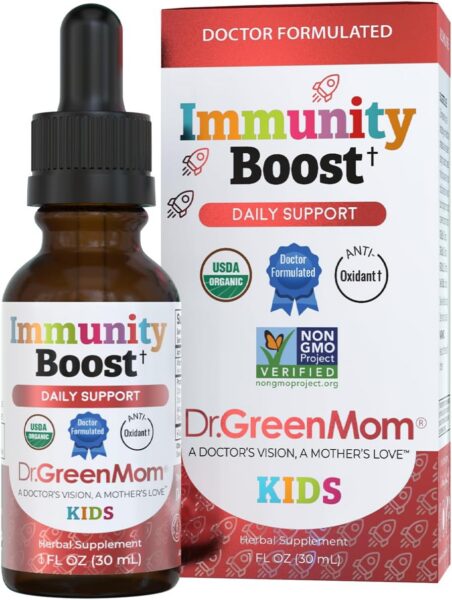
Dr. Green Mom Immunity Boost Kids — Echinacea Elderberry Astragalus & VIT C
Why Do Kids Get Sick More Often When School Starts?
Many children get sick shortly after returning to school. Parents often wonder why this happens even when they try their best to keep their children healthy.
There are several reasons.
During school breaks, children usually spend more time with family and fewer people. Once school begins, they are suddenly surrounded by many children who may carry different viruses and bacteria.
Children also touch many shared surfaces:
- Classroom desks
- Door handles
- School supplies
- Playground equipment
- Sports equipment
Young children especially are still developing good hygiene habits. They may forget to wash their hands, touch their faces often, or share snacks and drinks.
Another reason is that school schedules can affect basic health habits. Children may sleep less, feel stressed about new routines, or eat fewer balanced meals because mornings become rushed.
A strong immune system depends on many small things working together. Improving these daily habits before school starts can make a real difference.
Prioritize Good Sleep Before School Begins
Sleep is one of the most important parts of a healthy immune system. Many families focus on vitamins and healthy foods but forget that sleep affects almost every part of children’s health.
During sleep, the body repairs itself and supports immune function. Children who do not get enough sleep may have a harder time fighting off infections and may feel tired or less focused during the day.
Before school starts, help children return to a regular sleep schedule.
Helpful steps include:
- Moving bedtime earlier gradually
- Keeping wake-up times consistent
- Creating a calm bedtime routine
- Limiting screens before bed
- Making the bedroom comfortable for sleep
Many children stay up later during summer vacation. Suddenly changing bedtime the night before school can create stress. Moving bedtime 15–30 minutes earlier every few nights is usually easier.
A child who sleeps well is not only less likely to feel tired. Better sleep also supports mood, attention, and emotional balance.
Feed Children a Balanced Diet
Food plays an important role in immune health. Children’s bodies need different nutrients to build and maintain a strong defense system.
A healthy diet does not need to be expensive or complicated. Simple, everyday foods can provide what children need.
Important nutrients include:
Vitamin C
Vitamin C supports normal immune function.
Good sources include:
- Oranges
- Strawberries
- Kiwi
- Bell peppers
- Broccoli
Vitamin D
Vitamin D helps support immune health and strong bones.
Sources include:
- Sunlight exposure
- Fortified milk
- Eggs
- Fatty fish
Some children may need supplements depending on their diet and health needs. Parents should discuss this with a healthcare provider.
Zinc
Zinc helps the immune system work properly.
Foods with zinc include:
- Meat
- Eggs
- Dairy products
- Beans
- Whole grains
Protein
Protein supports growth and helps the body repair tissues.
Good protein choices include:
- Chicken
- Fish
- Eggs
- Yogurt
- Beans
- Tofu
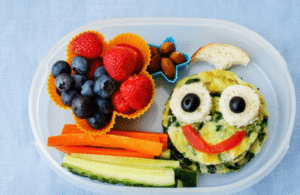
Instead of focusing on one “superfood,” aim for variety. A colorful plate usually means children are getting a wider range of nutrients.
Start the Day With a Healthy Breakfast
School mornings can be busy, but breakfast matters.
After sleeping overnight, children need fuel to start the day. A balanced breakfast can support energy, concentration, and overall nutrition.
Good breakfast options include:
- Oatmeal with fruit
- Eggs with whole-grain toast
- Yogurt with berries
- Smoothies with fruit and protein
- Peanut butter or seed butter toast (if allowed)
Children who skip breakfast may feel tired or hungry before lunchtime. A simple breakfast is often better than no breakfast.
Preparing food the night before can make mornings easier. Overnight oats, boiled eggs, washed fruit, or prepared smoothie ingredients can save valuable time.
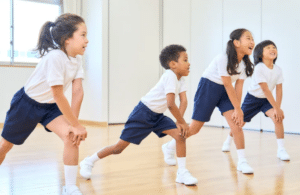
Encourage Regular Physical Activity
Exercise is not only good for muscles and bones. It also supports overall health, including immune function.
Children do not need intense workouts. Regular movement is what matters.
Healthy activities include:
- Playing outside
- Riding a bike
- Swimming
- Dancing
- Walking
- Playing sports
Physical activity also helps children sleep better and manage stress.
After a summer with more screen time, returning to active routines before school starts can help children adjust.
Even 30–60 minutes of movement each day can be beneficial depending on a child’s age and abilities.
Teach Good Hand Hygiene
Hand washing remains one of the simplest ways to reduce the spread of germs.
Children should wash their hands:
- Before eating
- After using the bathroom
- After coughing or sneezing
- After playing outside
- When coming home from school
The correct way to wash hands is:
- Wet hands with clean water.
- Add soap.
- Rub hands for at least 20 seconds.
- Rinse well.
- Dry completely.
For younger children, making hand washing part of a routine works better than repeated reminders.
Parents can also teach children to avoid touching their eyes, nose, and mouth when possible.
Keep Vaccinations Up to Date
Vaccines are one of the most effective ways to protect children from serious infections.
Before school begins, parents can check whether their child’s vaccinations are up to date. Schools often require certain vaccines before attendance.
Vaccines help prepare the immune system to recognize and respond to specific germs.
A child may still catch some illnesses after vaccination, but vaccines can reduce the risk of severe disease.
Regular checkups with a pediatric healthcare provider are a good opportunity to discuss vaccines and overall health before the school year starts.
Help Children Manage Stress
Many parents do not connect stress with immunity, but emotional health affects the body.
Starting a new school year can bring worries:
- Will I make friends?
- Will my teacher like me?
- Will my homework be difficult?
- Will I fit in?
Long-term stress can affect sleep, eating habits, and overall wellness.
Parents can support children by:
- Listening to their concerns
- Keeping routines predictable
- Encouraging open conversations
- Helping them prepare for changes
A calm child often has healthier daily habits.
Emotional support is just as important as physical health preparation.
Avoid Overusing Supplements and “Immune Boosters”
Many products claim to strengthen children’s immunity quickly. Vitamins, gummies, and herbal products are often marketed to worried parents.
However, more is not always better.
Most healthy children can get the nutrients they need from a balanced diet. Taking unnecessary supplements may not provide extra protection and some products may not be suitable for children.
Before giving supplements, it is best to discuss them with a pediatric healthcare provider.
The strongest immune support usually comes from simple habits repeated every day:
- Sleeping well
- Eating nutritious foods
- Staying active
- Managing stress
- Practicing hygiene
These habits may seem ordinary, but they are powerful.
Create a Healthy Back-to-School Routine
Children do best when healthy habits become part of normal life.
A few weeks before school begins, families can slowly rebuild routines:
Morning:
- Wake up at a regular time
- Eat breakfast
- Drink water
Daytime:
- Stay active
- Eat balanced meals
- Spend time outdoors
Evening:
- Reduce screen time
- Prepare school items
- Follow a bedtime routine
Children do not need perfection. Missing one healthy meal or having one late night will not harm their immune system.
What matters most is consistency over time.
A strong immune system is built through hundreds of small choices. Helping children develop healthy routines before school starts gives them a better foundation for the year ahead.
FAQ
How can I boost my child’s immune system before school?
Support immunity with healthy habits such as good sleep, balanced meals, regular exercise, hand washing, stress management, and keeping vaccinations up to date.
What foods help strengthen a child’s immune system?
Foods rich in vitamins, minerals, protein, and fiber support immune health. Fruits, vegetables, eggs, dairy products, beans, whole grains, and lean proteins are good choices.
Does vitamin C prevent kids from getting sick?
Vitamin C supports normal immune function, but it does not guarantee that children will not get sick. A balanced diet is more important than relying on one nutrient.
How much sleep do children need for a healthy immune system?
Sleep needs depend on age. School-age children generally need about 9–12 hours of sleep each night, while teenagers usually need 8–10 hours.
Should children take immune-boosting supplements before school?
Healthy children usually do not need special immune supplements. A healthcare provider can recommend supplements if a child has specific nutritional needs.
Why do kids often get sick after returning to school?
Children are exposed to many new germs when they return to school. Their bodies are adjusting to new environments, classmates, and routines.
Can exercise help children stay healthier?
Yes. Regular physical activity supports overall health, improves sleep, and helps the body function properly.