(We include products we think are useful for our readers. If you buy through links on this page, we may earn a small commission.)
Every school year feels like a mix of excitement and a little bit of worry for parents. We’re happy to see our kids start a new chapter, but also nervous—especially if it’s their first day at school or they’re going to a new place.
To make things easier for both kids and parents, here’s a simple checklist to help your child start the school year happy, safe, and ready to learn.
1. Things to Prepare Before School Starts
A smooth first day starts with having the right gear.
Clothes and Accessories
- Check if your school has a dress code and what’s not allowed.
- Prepare clothes for special classes like gym or art.
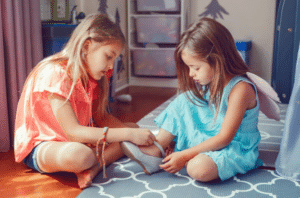
- Pick shoes that are comfortable and safe—good grip helps avoid slips.
Backpack and Supplies
A good backpack should:
- Have two wide, padded shoulder straps
- Be light but big enough for books and lunch
- Have a padded back for comfort
- Include several compartments for better organization
Also, teach your child not to overload the bag and how to store it safely at school. Let them help choose new supplies like pens, pencils, notebooks, and a lunchbox—they’ll be more excited to use them.

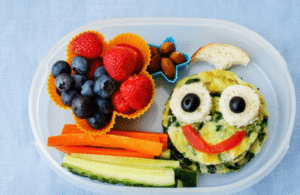
Fimibuke Kids Bento Snack Lunch Box with 4 Compartment
Lunch and Drinks
- If buying school lunch, know the price, menu, and payment process.
- If bringing lunch, choose an easy-to-open lunchbox and water bottle.
- Make sure your child can open food packages and bottle caps by themselves.
- Add healthy snacks like fruit, yogurt, or nuts.
2. Health and Safety Prep
Health Check and Vaccines
- Make sure your child is up to date on all vaccines.
- Schedule a health check, including vision and dental exams.
- Tell the school if your child has allergies, asthma, or other medical needs.
Medicines and Health Forms
- If your child needs medicine at school, arrange it with the school nurse.
- Fill out emergency contact and health information forms.
- Let teachers know if your child needs special seating or classroom support.
3. Transportation and Drop-Off
Getting to School
- Know the school start time and drop-off rules.
- If taking the bus, learn the pick-up and drop-off times and locations.
- If driving, know where the drop-off and pick-up zones are.
- If biking, get a helmet and review bike safety rules.
Road Safety
- Teach your child to cross only at crosswalks and never between parked cars.
- Remind them to wait until the bus stops completely before getting on or off.
- Tell them never to accept rides, candy, or gifts from strangers.
4. After-School Arrangements
Supervision and Care
- Younger kids should have an adult to watch them after school.
- If you can’t be there, arrange for a trusted friend or relative to help.
- Make sure your child knows where to meet their pickup person.
Safety Rules for Kids at Home
For older kids who may stay home alone:
- Call or message you right after getting home.
- Never open the door to strangers.
- Know how to call emergency numbers.
- Follow clear rules about who can come inside.
5. Extracurricular Activities
After-school programs are great for keeping kids busy, safe, and happy.
Benefits
- Builds skills and hobbies
- Helps make new friends
- Gives kids healthy ways to spend time instead of just screens
- Encourages teamwork and responsibility
Choosing an Activity
- Check that the facilities are safe.
- Don’t overload your child’s schedule—leave time for rest and homework.
- Plan who will pick them up after activities.
6. Emotional Readiness
Starting school isn’t just about supplies—it’s also about feelings.
- Talk with your child about fun things at school.
- Let them share any worries, like making new friends.
- Use positive words to help them look forward to the first day.
FAQ
Q: What if my child is nervous about school?
A: Visit the school before the first day and talk about what they can look forward to.
Q: How heavy should a backpack be?
A: No more than 10–15% of your child’s body weight.
Q: What’s a good lunch to pack?
A: Easy-to-eat, balanced foods like sandwiches, fruit, or yogurt.
Q: How do I make sure my child is safe to and from school?
A: Plan a safe route and review safety rules often.