When the new school year begins, kids are excited to see friends, meet teachers, and start fresh. But back-to-school season is also the time when children often get sick more easily. New classrooms, crowded buses, shared supplies, and busy schedules can make it easier for germs to spread.
As parents, we want our children to stay healthy and happy. No one likes missed school days, late-night fevers, or endless coughs. The good news is, with a few simple habits, many common illnesses can be prevented or managed quickly.
In this guide, we’ll talk about the most common illnesses kids face during back-to-school season and share practical tips to help keep your child healthy. Think of it as a friendly checklist for parents to make back-to-school season smoother and safer.
Why Kids Get Sick More in Back-to-School Season
When kids gather in classrooms, they share not only books and pencils but also germs. Many illnesses spread through coughing, sneezing, touching shared surfaces, or even through food and drinks. Young children are still building their immune systems, so they are more likely to catch infections.
Other reasons kids get sick more often during this season:
- Stress and lack of sleep can weaken the immune system.
- Busy schedules may lead to unhealthy meals or skipped breakfasts.
- Weather changes during fall can affect breathing and allergies.
- Kids may not always wash hands properly or cover their mouths when coughing.
Knowing these factors helps parents stay ahead and focus on prevention.
Common Back-to-School Illnesses
Let’s go through some of the illnesses that appear most often when school starts.
1. The Common Cold
Colds are the number one illness during school months. Kids can catch 6–8 colds a year. Symptoms include runny nose, sore throat, sneezing, and mild fever.
What to do:
- Make sure your child washes hands often.
- Remind them not to share water bottles or snacks.
- Give plenty of rest and fluids if they catch a cold.
2. Flu (Influenza)
The flu is more serious than a cold. It can bring high fever, body aches, chills, and fatigue. The flu spreads quickly in crowded classrooms.
Prevention:
- Annual flu shot is the best protection.
- Teach kids to cover coughs and sneezes with their elbows.
- Keep your child home if they have fever, so they don’t spread germs.
3. Stomach Bugs (Gastroenteritis)
This “stomach flu” causes vomiting, diarrhea, and stomach cramps. It usually comes from germs spread through dirty hands, food, or water.
Prevention:
- Encourage proper handwashing, especially before eating.
- Pack safe lunches and remind kids not to swap food.
- Keep children hydrated if they do get sick.
4. Strep Throat
This bacterial infection causes a very sore throat, pain when swallowing, and fever. It’s different from a regular cold and needs antibiotics.
Prevention:
- Teach kids not to share utensils, cups, or straws.
- Remind them to wash hands before meals.
- If your child has sudden severe sore throat with fever, see a doctor.
5. Pink Eye (Conjunctivitis)
This infection makes eyes red, itchy, and watery. Pink eye spreads fast in schools, especially when kids rub their eyes and touch shared items.
Prevention:
- Remind kids not to touch their eyes.
- Provide tissues and hand sanitizer in their backpack.
- If your child has pink eye, keep them home until treated.
6. Head Lice
While not dangerous, lice are very common in school. They spread through head-to-head contact and by sharing hats or hairbrushes.
Prevention:
- Teach kids not to share hats, combs, or hair ties.
- Regularly check your child’s scalp.
- Use medicated shampoo if lice are found.
7. Asthma and Allergies
Fall season can trigger asthma and seasonal allergies in kids. Dust, pollen, or classroom pets may cause sneezing, coughing, or wheezing.
Tips:
- Inform teachers if your child has asthma or allergies.
- Make sure your child always carries their inhaler if needed.
- Keep allergy medication available.
Healthy Habits to Prevent Illness
Parents can’t stop every germ, but healthy habits can make a big difference.
- Handwashing is the number one defense. Teach kids to scrub with soap for at least 20 seconds.
- Good sleep. Kids need 9–12 hours of sleep, depending on age.
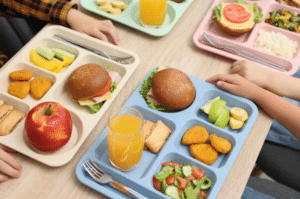
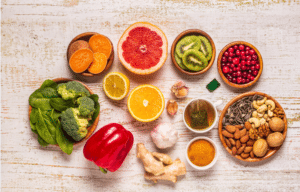
- Balanced meals. Include fruits, vegetables, whole grains, and protein.
- Stay active. At least 60 minutes of play or exercise daily.
- Hydration. Encourage water instead of sugary drinks.
- Limit screen time. Too much screen use can reduce sleep and increase stress.
What Parents Can Do at Home
You are your child’s first teacher when it comes to health. Here are some parent tips:
- Pack tissues, hand sanitizer, and a water bottle in their backpack.
- Do daily check-ins: ask how they feel before school.
- Set a bedtime routine to make sure they get enough rest.
- Remind kids that staying home when sick is okay.
- Keep vaccinations up to date.
Talking to Kids About Health
Kids don’t always understand germs and prevention. Simple, friendly conversations can help.
- Use fun examples, like “germs are tiny bugs you can’t see.”
- Make handwashing a game: sing a short song while washing.
- Praise them when they use tissues or wash hands.
- Remind them it’s kind to cover coughs to protect friends.
The more positive you make it, the more likely they’ll stick with healthy habits.
When to Call the Doctor
Sometimes, home care isn’t enough. Call the doctor if your child has:
- Fever higher than 102°F (39°C).
- Trouble breathing or wheezing.
- Severe sore throat or ear pain.
- Dehydration signs like very little urine or dry lips.
- Illness lasting more than a week without improvement.
Trust your instincts — parents usually know when something is wrong.
Frequently Asked Questions (FAQ)
1. Why do kids get sick so often in school?
Because they are in close contact with many other children, and their immune systems are still developing.
2. What’s the best way to prevent colds and flu?
Handwashing and the flu vaccine are the most effective ways.
3. Should I keep my child home with a mild cold?
If they have fever, vomiting, or can’t focus in class, yes. A mild runny nose without fever is usually okay.
4. How can I make my child wash hands regularly?
Turn it into a routine before meals and after the bathroom. Fun songs or stickers can motivate younger kids.
5. What should I pack in a healthy school lunch?
Include fruits, veggies, whole grains, protein, and water. Avoid too much sugar or processed snacks.