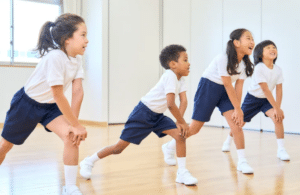
Every time I drop my child off at school, honestly, I feel a bit worried. I wonder how her day will be. Will she get hurt? Will she fall? I believe you, as a parent, have probably felt the same way too.
The first day of school is always exciting. New clothes, fresh notebooks, and the smell of sharpened pencils fill the air. But for parents, it can also bring worry. Is my child safe walking to school? Are they ready for new routines? What if something happens on the way?
School safety is more than just crossing the street. It’s about helping your child stay safe in the classroom, on the playground, online, and even with their own health. The good news is that with a little preparation, you can give your child the tools they need to have a safe and happy school year.
This guide will walk you through simple, clear tips that every parent can follow.
Morning Routine and Getting Ready Safely
The day starts at home, so safety starts there too. A calm morning can set the tone for the whole day.
Make sure your child gets enough sleep the night before. Tired kids are more likely to forget things and make mistakes. Prepare clothes, lunch, and school bag the night before to avoid morning stress.
Check that your child’s backpack isn’t too heavy. A backpack should not weigh more than 10–15% of a child’s body weight. Heavy bags can hurt backs and shoulders. Make sure both straps are used, and the bag sits high and snug.
Walking or Biking to School
If your child walks or bikes to school, review the route together. Walk it with them before the first day. Show them where to cross the street, which sidewalks to use, and safe places to stop if they need help.
Teach them to always:
- Use crosswalks and obey traffic signals
- Stop, look both ways, and listen before crossing
- Never run into the street
- Make eye contact with drivers before stepping out
If biking, your child should always wear a helmet that fits well. Bright-colored clothes or reflective gear help drivers see them.
Riding the School Bus
The school bus is one of the safest ways to get to school, but rules still matter.
Teach your child to:
- Stand back from the curb while waiting
- Wait until the bus stops completely before getting on or off
- Hold the handrail when climbing steps
- Stay seated and face forward during the ride
- Keep the aisle clear
If they need to cross the street after getting off, they should walk at least 10 feet in front of the bus so the driver can see them.
Safety at Drop-Off and Pick-Up
If you drive your child, follow the school’s traffic rules. Drop them off in the designated area, not in the middle of the street. Watch for children crossing between cars.
Remind your child to get out of the car on the side closest to the sidewalk, not into traffic. At pick-up, be patient. Rushing can lead to accidents.
Stranger Awareness
Teach your child about strangers in a calm way, without making them fearful of everyone.
Key tips:
- Never go anywhere with someone they don’t know, even if the person says “Your mom sent me.”
- Have a password system. Only someone who knows the password can pick them up.
- Run to a safe adult (teacher, police officer, or store worker) if they feel unsafe.
Playground and Recess Safety
Recess is fun, but it’s also a place where injuries can happen. Remind your child to:
- Use playground equipment the right way
- Take turns and not push or shove
- Wear closed-toe shoes
- Tell a teacher if something is broken or unsafe
For younger kids, remind them not to climb on equipment that is too high for their age.
Classroom Safety
Safety in the classroom is more about good habits. Teach your child to:
- Wash hands often, especially before eating
- Keep personal space
- Listen to the teacher’s safety rules
If your child has allergies, make sure the school and teacher know. Provide necessary medication like an EpiPen and ensure your child knows not to share food.
Health and Illness Prevention
The school year brings colds and other illnesses. Encourage healthy habits:
- Wash hands with soap for at least 20 seconds
- Use tissues or elbows for coughs and sneezes
- Drink plenty of water
- Eat balanced meals for energy
If your child is sick, keep them home to rest and avoid spreading germs.
Online and Technology Safety
Many schools use computers, tablets, and online learning tools. Teach your child to:
- Never share personal information online
- Tell you if they see something strange or upsetting
- Use only school-approved websites and apps
Parents should check device settings, use parental controls, and talk regularly about safe online behavior.
Emergency Preparedness
Make sure your child knows:
- Their full name, address, and phone number
- Your phone number and another trusted adult’s number
- What to do in case of fire drills, lockdowns, or other emergencies
Practice emergency scenarios in a calm way so they feel prepared, not scared.
Building Confidence and Awareness
Safety isn’t just about rules. It’s about giving kids the confidence to make good choices. Encourage your child to speak up if they feel unsafe, see bullying, or notice something wrong. Remind them that you are always there to listen and help.
FAQ – Back to School Safety Tips
Q: How do I teach my child road safety?
A: Practice walking or biking to school together. Show safe crossings and make them repeat the steps out loud.
Q: Are school buses safe for kids?
A: Yes. They are among the safest transport options, but kids still need to follow the bus rules.
Q: What’s the best way to talk about strangers?
A: Stay calm, use clear examples, and set a family password for safety.
Q: How can I prevent backpack injuries?
A: Keep the bag light, use both straps, and adjust it to fit snugly.
Q: How can I make online learning safe?
A: Use parental controls, check browser history, and teach kids never to share personal info.