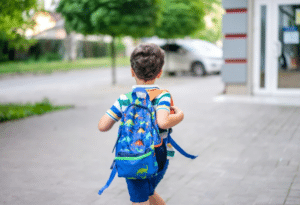
Starting school can feel really scary for kids. Butterflies in the tummy, trouble sleeping, or even tears – it’s totally normal. As grown-ups, we can help kids feel safer and braver. Here’s how, step by step.
Why Do Kids Get Scared?
Kids worry about school for lots of reasons. They might fear the unknown ("What if I get lost?"). They might worry about making friends ("Will anyone play with me?"). Or leaving you ("What if I miss Mommy?"). Even older kids stress about harder work or fitting in. It’s not just "being shy." Their feelings are real and big to them.
- Little Kids (Pre-K – Grade 2): Often scared of being away from parents, new places, loud noises, or not knowing the rules.
- Bigger Kids (Grade 3 – 5): Worry more about friends, being teased, tough schoolwork, or embarrassing themselves.
- Teens (Middle School+): Stress about social stuff, grades, sports, looking different, or feeling overwhelmed.
How Anxiety Shows Up:
- Tummy aches or headaches (especially Sunday nights or Monday mornings)
- Trouble sleeping (too hard to fall asleep, bad dreams)
- Clinginess (not wanting to let go at drop-off)
- Tantrums or anger (more than usual)
- Avoiding school stuff ("I hate school!", hiding shoes)
- Asking "What if?" questions a LOT
How You Can Help Before School Starts
1. Talk About It (The Right Way):
- Listen first. Ask gently: "What part of school feels tricky?" Don’t jump in with fixes right away. Just let them share.
- Say it’s okay to feel nervous. "Starting new things is scary sometimes. I get nervous too!" This makes them feel normal.
- Don’t dismiss. Avoid: "Don’t be silly, you’ll be fine!" Instead try: "Yeah, riding the bus for the first time does sound a little scary. What could make it feel better?"
- Read books together about school. Stories help kids see others feel the same way.
2. Visit & Practice:
- Go see the school! Walk around the playground, find their classroom, peek in the cafeteria. Less mystery = less fear.
- Meet the teacher. A quick hello makes the teacher feel less like a stranger on day one.
- Practice the routine. Do a "school day" trial run: wake up, get dressed, pack a lunchbox, drive the route. Make it fun!
- Role-play! Pretend you’re the teacher, they’re the student. Practice raising hands, asking to use the bathroom, finding the library.
3. Get Back on Schedule:
- Sleep matters BIG TIME. Tired kids cope worse. Start shifting bedtime/wake-up time 1-2 weeks early. Move it 15 minutes earlier each night.
- Regular meals & snacks. Cut back on sugary summer treats. Hungry kids get cranky and anxious.
- Less Screen Time: Gradually swap TV/games for reading, puzzles, or playing outside. Screens hype brains up before bed.
4. Team Up with the Teacher:
- Tell them! Email or chat: "Sam’s feeling pretty nervous about starting. Here’s what helps him calm down." Teachers want to know.
- Ask about the plan. How do they handle first-day tears? Can your child bring a comfort item? How do they help kids make friends?
How to Help During the First Weeks
1. Keep Mornings Calm:
- Prepare the night before. Lay out clothes, pack lunches/backpacks. Rushing = stress!
- Wake up earlier. Give plenty of time for a calm breakfast. No yelling "HURRY UP!"
- Use pictures for little ones. A chart with photos: Get dressed -> Eat breakfast -> Brush teeth -> Put on shoes -> Go to school.
2. Create a Goodbye Ritual:
- Keep it short, sweet, and consistent. A special hug, a high-five, a silly saying ("See ya later, alligator!").
- Be confident (even if you’re not!). Smile big, sound cheerful. "Have a GREAT day! I can’t wait to hear about it!"
- NEVER sneak out. It breaks trust. Say goodbye clearly.
- Trust the teacher. If they cry, let the teacher comfort them. Lingering often makes it worse. They usually calm down quickly after you leave.
3. After-School Check-In:
- Focus on the good. Instead of "Were you scared?" ask: "What was the funniest thing today?" or "Tell me one thing you liked!"
- Listen for worries. If they share something hard ("No one played with me"), don’t panic. First, listen: "That sounds really tough. What happened next?" Help them problem-solve later.
- Connect & relax. Snuggle, play, go for a walk. Let them decompress before homework.
4. Tools for Big Feelings:
Teach your child simple tricks to calm their body:
- Balloon Breathing: Breathe in slow through the nose (filling the balloon belly), breathe out slow through the mouth (deflating). Do 3 times.
- The 5-4-3-2-1 Game: Spot 5 things you SEE, 4 things you TOUCH, 3 things you HEAR, 2 things you SMELL, 1 thing you TASTE. Helps pull focus away from worries.
- A Comfort Object: A small photo of family in their backpack, a special smooth rock in their pocket, a bracelet you made.
- Worry Time: Set aside 5 minutes each day for them to tell you all their worries. Outside that time, say "Save that for Worry Time!" It helps contain the anxiety.
When to Get Extra Help
Most school jitters fade in a few weeks. But sometimes, anxiety is too big to handle alone. Talk to your doctor or a child therapist if your child:
- Cries or panics most days for weeks
- Refuses to go to school often
- Has lots of physical sickness (vomiting, constant stomach pain)
- Has big changes in eating or sleeping that last
- Talks about being worthless or hopeless
- Has scary thoughts they can’t shake
It’s okay to ask for help! Therapists who work with kids have awesome tools (like play therapy or CBT) to help them feel stronger. Your school counselor is a great first contact too.
FAQ:
Q: My child cries every morning. Will it ever stop?
A: For most kids, yes! It usually gets much better within 2-4 weeks as they get used to the routine and feel safer. Stay calm and consistent with drop-offs. Keep talking to the teacher.
Q: What if my child says "My tummy hurts!" on school days?
A: Anxiety tummy aches feel real! First, check for fever or other illness signs. If physically okay, gently acknowledge ("Your tummy feels nervous, huh?") and use a calming tool (like balloon breathing). Avoid letting them stay home unless truly sick – that can make it harder to go back.
Q: Should I tell the teacher my child is anxious?
A: YES! Absolutely. Teachers are your partners. Give them a heads-up about worries and what calming strategies work best at home. They can offer extra support in class.
Q: My child is older (like 10+). How do I help them?
A: Big kids feel anxiety too! Listen without judgment. Ask "How can I support you?" Help them problem-solve specific worries (like locker combinations or finding classes). Respect their need for privacy while letting them know you're there. Focus on healthy sleep and routines.
Q: What if my child just refuses to go to school?
A: This is tough. First, stay calm. Talk to them to understand why (fear of a bully? a test?). Contact the school immediately (teacher, counselor, principal). Work with them on a plan to get back. Avoid long breaks from school – it makes returning harder. Professional help is often needed here.