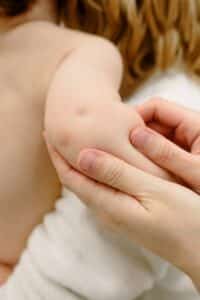
Hand, foot, and mouth disease (HFMD) is one of the most common childhood infections, especially among preschool and young school-age children. When a child suddenly develops fever, mouth sores, and a rash on the hands and feet, many parents immediately worry: “When can my child go back to school?”
This question is not always easy to answer because HFMD does not follow exactly the same pattern for every child. Some children feel better within a few days, while others may need more time to recover. The decision to return to school depends less on the appearance of the rash and more on the child’s overall health and ability to participate in normal activities.
Many parents assume that a child must stay home until every spot disappears. However, HFMD rashes can remain visible for days or even weeks after a child is no longer feeling sick. On the other hand, sending a child back too early, while they still have fever or feel unwell, can make recovery harder and increase the chance of spreading germs.
The goal is finding the right balance: protecting classmates while helping children return to their normal routines safely.
What Is Hand, Foot, and Mouth Disease?
Hand, foot, and mouth disease is a viral infection that mainly affects young children. It is usually caused by viruses from the enterovirus family, especially coxsackievirus.
HFMD commonly causes:
- Fever
- Sore throat
- Reduced appetite
- Painful mouth sores
- Small red spots or blisters on hands and feet
- Rash around the diaper area in younger children
The name comes from the typical places where the rash appears, but not every child has all three areas affected. Some children may only have mouth sores, while others mainly have skin changes.
HFMD is very common in childcare centers and schools because young children often play closely together. They share toys, touch common surfaces, and are still developing good hand-washing habits.
Most children recover without serious problems. The main challenge is usually discomfort, especially when mouth sores make eating and drinking difficult.
Beekeeper's Naturals Propolis Throat Spray for Daily Immune Support, 1 oz | 95% Bee Propolis Extract, Natural Immune Support & Sore Throat Relief
How Long Is HFMD Contagious?
One reason HFMD causes confusion is that the virus can spread for different lengths of time.
Children are usually most contagious during the first week of illness, especially when they have:
- Fever
- Many mouth sores
- Runny nose or cough
- New blisters appearing
The virus spreads through:
- Saliva and respiratory droplets
- Fluid from blisters
- Stool from infected children
Even after symptoms improve, the virus can remain in a child’s stool for several weeks. This does not mean a child needs to stay home for weeks. If that were the rule, many children would miss a large amount of school.
Instead, schools and health experts usually focus on whether the child is well enough to return and whether they can follow basic hygiene habits.
When Can Kids Return to School After HFMD?
In most cases, children can return to school when they meet several important signs of recovery.
A child is usually ready to go back when:
No Fever for at Least 24 Hours
The child should be fever-free without using fever-reducing medicine.
A fever means the body is still fighting an infection. Returning to school while a fever is present may slow recovery and expose other children.
Feeling Well Enough for Normal Activities
A child does not need to be completely symptom-free. However, they should have enough energy to:
- Play normally
- Participate in classroom activities
- Eat and drink comfortably
- Follow teacher instructions
A child who is still very tired, uncomfortable, or unable to focus may benefit from another day or two of rest.
Eating and Drinking Normally
Mouth sores can make eating painful. Some children drink less because swallowing hurts.
Before returning, make sure the child can drink enough fluids and eat regular meals or snacks.
Hydration is especially important after fever because children can lose more fluids than usual.
No Excessive Drooling From Mouth Sores
Younger children may drool more when mouth sores are painful. If a child cannot manage saliva comfortably, staying home may be better until symptoms improve.
Able to Practice Good Hygiene
Children returning to school should be able to:
- Wash hands properly
- Avoid touching sores
- Cover coughs and sneezes
Younger children may need extra guidance from teachers.
Does the Rash Need to Be Completely Gone Before School?
This is one of the most common questions parents ask.
The answer is usually no.
HFMD spots and peeling skin can last after the child feels better. A child does not necessarily need to wait until every mark disappears before returning.
The rash itself does not always mean the child is highly contagious. What matters more is whether the child has recovered from the active illness.
However, if blisters are still open, leaking fluid, or difficult to cover, parents should check with the school or healthcare provider before sending the child back.
School policies may also differ. Some childcare centers have their own rules about returning after HFMD.
Why Sending Kids Back Too Early Can Be a Problem
Many parents feel pressure to send children back quickly because of work schedules, missed lessons, or childcare challenges. That pressure is understandable.
However, returning too early may create problems.
A child who is not fully recovered may:
- Become more tired
- Eat and drink less
- Take longer to recover
- Feel uncomfortable during the school day
There is also a greater chance of spreading the virus if the child still has active symptoms.
Children need time to recover. Rest is not wasted time. It helps the immune system finish its work.
How Parents Can Help Kids Recover Faster
There is no medicine that directly kills the HFMD virus. Treatment mainly focuses on making children comfortable while their bodies recover.
Helpful steps include:
Encourage Fluids
Drinking enough is one of the most important parts of recovery.
Good choices include:
- Water
- Milk
- Oral rehydration drinks if recommended
- Cool drinks that soothe mouth discomfort
Avoid very acidic drinks, such as orange juice, if they make mouth sores hurt more.
Offer Soft Foods
Mouth sores can make chewing painful.
Try foods such as:
- Yogurt
- Smoothies
- Mashed potatoes
- Soup that is not too hot
- Soft fruits
Children may eat less for a few days. The priority is keeping them comfortable and hydrated.
Manage Fever and Pain
If needed, parents can ask a healthcare provider about appropriate fever or pain medicine for their child’s age and weight.
Never give aspirin to children because of the risk of serious complications.
Encourage Rest
Children often want to play as soon as they feel slightly better. Gentle activity is fine, but extra rest can help the body recover.
Prevent HFMD From Spreading at Home
When one child has HFMD, parents often worry about siblings catching it.
The virus can spread easily, but several habits can reduce risk.
Encourage:
Frequent Hand Washing
Wash hands especially:
- After diaper changes
- After using the bathroom
- Before meals
- After caring for a sick child
Avoid Sharing Personal Items
During illness, avoid sharing:
- Cups
- Utensils
- Towels
- Toothbrushes
Clean Frequently Touched Surfaces
Clean items such as:
- Toys
- Door handles
- Tables
- Bathroom surfaces
Young children touch everything, so regular cleaning helps reduce germs.
When Should Parents Call a Doctor?
Most HFMD cases improve on their own. However, parents should contact a healthcare provider if a child has warning signs.
Seek medical advice if:
- Fever lasts several days
- The child cannot drink enough fluids
- Signs of dehydration appear
- The child is unusually sleepy or difficult to wake
- Symptoms are getting worse instead of better
- A young infant shows symptoms
Trusting parental instincts matters. If something feels unusual, it is reasonable to ask for medical advice.
Helping Children Return to School Emotionally
After several days at home, some children feel nervous about going back.
They may worry about:
- Missing lessons
- Friends asking questions
- Feeling different because of the rash
Parents can make the transition easier by:
- Explaining that HFMD is common
- Reminding children they are getting better
- Talking about returning to normal activities
A simple conversation can help children feel confident.
FAQ
How many days should a child stay home with HFMD?
Many children can return after several days when they are fever-free, feel well, and can participate normally. The exact timing depends on symptoms and school rules.
Can my child go to school if the HFMD rash is still visible?
Usually, yes, if the child has recovered, has no fever, and feels well. A remaining rash does not always mean the child is still highly contagious.
Is HFMD contagious after the rash disappears?
The virus can remain in stool for weeks after symptoms improve. Good hand hygiene is important even after a child returns to school.
Can children get HFMD more than once?
Yes. Different viruses can cause HFMD, so children may get it more than once.
How can I prevent my child from catching HFMD at school?
Encourage regular hand washing, avoid sharing cups and utensils, and teach children healthy hygiene habits.
Should siblings stay home if one child has HFMD?
Not usually, unless they develop symptoms. However, families should watch closely and practice good hygiene.
Is HFMD dangerous for most children?
Most children recover completely within one to two weeks. Serious complications are uncommon but can happen, especially in very young children.References