Mornings before school can be a little chaotic. Someone cannot find a shoe, a backpack is missing, and the clock seems to move faster than usual. In the middle of all this, breakfast is often the first thing children skip.
But breakfast is not just another meal. After sleeping for many hours, a child’s body needs fuel to start the day. The brain needs energy for learning, the muscles need energy for movement, and the body needs nutrients for growth.
A good breakfast does not have to be complicated. Many parents imagine healthy meals require lots of cooking, special ingredients, or extra time. In reality, some of the best breakfast choices are simple. A few basic foods combined together can create a meal that keeps children full and ready for school.
The most important thing is balance. A breakfast with protein, whole grains, fruits, and healthy fats usually provides longer-lasting energy than foods that are mostly sugar.
For busy school mornings, the best breakfast is often one that is realistic. A meal that takes 10 minutes and a child actually eats is much better than a “perfect” breakfast that creates stress.
Here are 10 easy and healthy breakfast ideas that can help children start their school day with energy.
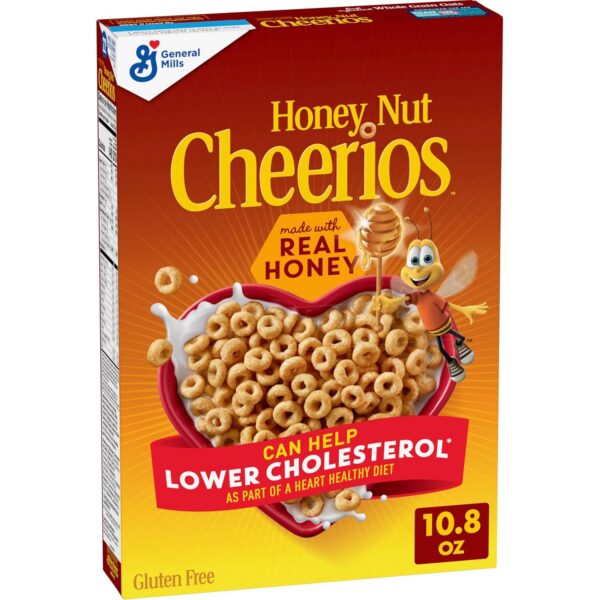
Cheerios Honey Nut Breakfast Cereal, Heart Healthy, Gluten Free, 10.8 oz
1. Oatmeal with Fruit and Nuts
Oatmeal is one of the easiest breakfasts for children because it is warm, filling, and easy to customize.
Plain oats provide fiber, which helps children feel full for longer. Adding fruit gives natural sweetness and important vitamins. Nuts or seeds add healthy fats and protein.
Simple combinations include:
- Banana slices with peanut butter
- Blueberries with yogurt
- Apple pieces with cinnamon
- Strawberries with chia seeds
For busy mornings, overnight oats are a great option. Prepare them the night before by mixing oats with milk or yogurt and placing them in the refrigerator. In the morning, breakfast is ready.
Many children enjoy choosing their own toppings. A small amount of choice can make breakfast feel more exciting.
2. Eggs with Whole-Grain Toast
Eggs are a classic breakfast food for a reason. They provide protein that helps children stay satisfied through the morning.
A simple breakfast can include:
- Scrambled eggs with whole-grain toast
- Boiled eggs with fruit
- Egg sandwiches with vegetables
Whole-grain bread adds fiber and steady energy. Compared with highly processed bread, whole grains are digested more slowly and can help children avoid feeling hungry too soon.
For families with very busy mornings, boiled eggs can be prepared ahead of time. A few eggs made on the weekend can make weekday breakfasts much easier.
Adding colorful vegetables, such as spinach or tomatoes, is another simple way to increase nutrients.
3. Yogurt Breakfast Bowl
Some children do not enjoy heavy meals early in the morning. A yogurt bowl can be a lighter option while still providing important nutrients.
A balanced yogurt bowl may include:
- Plain yogurt
- Fresh fruit
- Whole-grain cereal
- Oats
- Nuts or seeds
Yogurt provides protein and calcium, which support growing bones and teeth. Fruit adds natural sweetness and vitamins.
One tip: Many flavored yogurts contain a lot of added sugar. Choosing plain yogurt and adding fresh fruit gives children more control over sweetness.
Children often enjoy making their own yogurt bowls. It can become a simple morning activity that encourages healthier food choices.
4. Peanut Butter Banana Toast
This breakfast is quick, affordable, and easy for children to enjoy.
Whole-grain toast provides carbohydrates for energy. Peanut butter adds protein and healthy fats. Bananas provide natural sweetness and important nutrients.
If a child has a nut allergy, peanut butter can be replaced with:
- Sunflower seed butter
- Soy nut butter
- Other allergy-friendly spreads
This breakfast works well for school mornings because it takes only a few minutes to prepare.
For younger children, make sure the texture is easy to eat and follow any allergy safety recommendations from healthcare providers.
5. Healthy Breakfast Smoothie
Smoothies are helpful for children who are not very hungry in the morning. Drinking a nutritious smoothie can be easier than eating a full meal.
A balanced smoothie may include:
- Milk or yogurt
- Banana
- Berries
- Oats
- Nut butter
- Spinach
The key is making sure the smoothie contains more than just fruit. A fruit-only smoothie may provide quick energy but may not keep children full for long.
Smoothies can also be prepared partially the night before. Wash and cut fruit ahead of time, then blend everything quickly in the morning.
However, smoothies should not completely replace chewing food every day. Eating whole foods also helps children develop healthy eating habits.
6. Whole-Grain Breakfast Wrap
A breakfast wrap is a great choice for families who need something portable.
A simple wrap can include:
- Scrambled eggs
- Cheese
- Beans
- Vegetables
- Whole-grain tortilla
Breakfast wraps can be made ahead and stored for busy mornings.
They are also easy to adjust based on what children like. Some children may prefer eggs and cheese, while others may enjoy vegetables or beans.
Having a few prepared wraps in the refrigerator can save time during rushed school mornings.
7. Homemade Breakfast Muffins
Many children love muffins, but store-bought versions can sometimes contain high amounts of sugar.
Making homemade breakfast muffins allows parents to add healthier ingredients.
Possible ingredients include:
- Whole-wheat flour
- Bananas
- Apples
- Oats
- Eggs
- Yogurt
Breakfast muffins can be made during the weekend and eaten throughout the week.
They are especially helpful for mornings when children need to eat quickly before leaving home.
Pairing a muffin with milk, yogurt, or fruit creates a more balanced meal.
8. Avocado Toast with Eggs
Avocado toast has become popular because it is simple and nutrient-rich.
Avocados contain healthy fats that support children’s growth and brain development. Adding an egg increases protein and makes the meal more filling.
A simple version includes:
- Whole-grain toast
- Mashed avocado
- Boiled or scrambled egg
Some children may not like avocado at first. Food preferences often take time to develop. Offering new foods without pressure can help children become more comfortable trying different flavors.
9. Fruit and Cheese Breakfast Plate
Not every breakfast needs to look like a traditional meal. A small breakfast plate can work well for children who enjoy variety.
A balanced plate may include:
- Apple slices
- Berries
- Cheese cubes
- Whole-grain crackers
- Boiled egg
This type of breakfast is easy to prepare and can be adjusted based on what is available at home.
Some children prefer eating several small foods instead of one large meal. A breakfast plate can make eating more enjoyable.
10. Healthy Breakfast Sandwich
A homemade breakfast sandwich can be much healthier than many fast-food options.
A simple sandwich may include:
- Whole-grain English muffin
- Egg
- Cheese
- Vegetables
Breakfast sandwiches can be wrapped and stored for busy mornings.
They also provide a good combination of carbohydrates and protein, which can help children stay focused during school activities.
How to Make Healthy Breakfast Easier on Busy Mornings
The biggest challenge for many families is not knowing what is healthy. It is finding the time.
A little preparation can make mornings smoother.
Helpful habits include:
- Preparing ingredients the night before
- Keeping easy fruits available
- Cooking eggs ahead of time
- Making freezer-friendly breakfasts
- Creating a weekly breakfast plan
It is also helpful to involve children. Older children can prepare simple foods, pack their own breakfast items, or help choose meals.
When children participate, they often become more interested in what they eat.
What If a Child Refuses Breakfast?
Some children wake up without much appetite. This is common, especially if they wake up very early.
Instead of forcing a large meal, start with something small.
Good options include:
- A banana
- A small yogurt
- A piece of toast
- A smoothie
- A boiled egg
It may also help to check bedtime routines. Children who do not get enough sleep often have less interest in eating in the morning.
A calm breakfast environment matters too. Rushing, arguing, or pressuring children can make meals stressful.
Healthy habits grow slowly. One skipped breakfast does not define a child’s nutrition. What matters is building better routines over time.
FAQ
What should kids eat for breakfast before school?
A healthy school breakfast should include protein, whole grains, fruits, and healthy fats. Examples include oatmeal with fruit, eggs with toast, yogurt bowls, or smoothies.
Is breakfast really important for children?
Yes. Breakfast provides energy after overnight fasting and may support better concentration, mood, and school performance.
What is a quick breakfast for busy school mornings?
Quick options include overnight oats, boiled eggs, yogurt bowls, smoothies, peanut butter toast, and breakfast wraps.
What can I give a child who does not like breakfast?
Start with small portions. Try simple foods such as fruit, yogurt, toast, or a smoothie. Avoid forcing children to eat large meals immediately after waking.
Are cereals healthy for kids?
Some cereals can be part of a healthy breakfast, especially those lower in added sugar and higher in fiber. Adding milk, fruit, or protein foods can make the meal more balanced.
How can parents prepare healthy breakfasts faster?
Planning ahead helps. Preparing ingredients the night before, making freezer meals, and keeping simple foods available can save time.