It can be surprising when a child suddenly starts coming home with shiny, greasy-looking hair. One day her hair looks fresh after a shower. The next day, the roots look flat and oily, almost as if she skipped washing. For many girls, especially during the tween and teen years, this is completely normal.
Oily hair usually happens because the scalp is making more sebum, a natural oil that helps protect the skin and hair. During puberty, changing hormones can make the oil glands more active. But hormones are not the only possible reason. Hair type, sweat, hair products, washing habits, and even how often the hair is touched can all play a part.
The good news is that oily hair is usually not a sign that a girl is dirty or doing something wrong. It is often simply a scalp that has become more active. The trick is figuring out what is causing the extra oil and finding a hair care routine that works for her.
What Causes Oily Hair in Girls?
The scalp contains tiny oil glands called sebaceous glands. These glands make sebum, an oily substance that helps keep the skin from becoming too dry. A little oil is useful. The problem is that some girls naturally produce more of it than others.
Puberty can make a noticeable difference. As hormone levels change, the sebaceous glands can become more active. This is one reason oily skin, acne, body odor, and oily hair often show up around the same time. The American Academy of Dermatology Association notes that hormonal changes during puberty can increase oil production in the skin.
That means a girl who had dry or normal hair at age 9 may suddenly have greasy roots at 12 or 13. It can seem to happen almost overnight. In reality, her scalp is responding to changes happening throughout her body.
Hair texture matters, too. Straight, fine hair often looks oily faster because scalp oil can move down the hair shaft more easily. Thick or curly hair may hide oil for longer because the oil has a harder time traveling from the scalp to the ends.
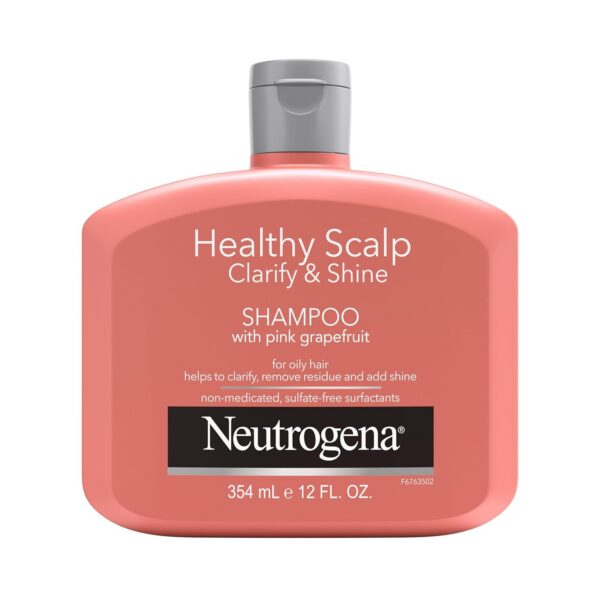
Neutrogena Healthy Scalp Clarify & Shine Shampoo, Pink Grapefruit 12 fl oz
Why Is My Daughter's Hair So Greasy After One Day?
Some girls simply have oilier scalps than others. Genetics can play a role, so a mother or father with oily skin or hair may have a child who has the same tendency.
There is also a very ordinary explanation that is easy to overlook: the scalp is warm, and girls are often much more active than adults realize. School, sports, dance, running around with friends, PE class, and hot weather can all leave the scalp sweaty. Sweat itself is not the same thing as oil, but sweat mixed with sebum can make hair look greasy and flat.
Then there are the hands.
A girl who constantly pushes her hair away from her face, plays with her bangs, adjusts her ponytail, or rests her head on her hands may end up transferring oil and dirt onto her hair. It sounds minor, but repeated touching can make already oily hair look worse.
Hair brushes and pillowcases can also collect oil, styling products, and skin cells. They do not usually cause oily hair by themselves, but keeping them reasonably clean is a sensible part of normal hair care.
Is Oily Hair a Sign of Puberty?
Very often, yes.
Oily hair can be one of the changes that appear during puberty. Girls may also notice oily skin, pimples, stronger body odor, underarm hair, pubic hair, breast development, and changes in their menstrual cycle.
These changes are driven by hormones. The sebaceous glands become more active, and that can increase the amount of oil produced on the scalp and face.
This is why oily hair becomes particularly common in middle school and the early teen years. A girl may suddenly need to wash her hair more often than she did as a young child.
It is worth remembering that puberty does not happen on exactly the same schedule for every girl. Some start earlier, while others start later. Oily hair alone does not tell exactly where a child is in puberty.
If other puberty changes seem unusually early, unusually late, or are causing concern, a pediatrician can help put those changes into context.
Can Washing Hair Every Day Make It More Oily?
This is one of the most common questions from parents.
There is a popular idea that washing hair too often "trains" the scalp to produce more oil. The evidence does not support the idea that simply washing the hair causes the scalp to permanently produce extra oil.
For a girl with a very oily scalp, daily shampooing may actually be reasonable. The American Academy of Dermatology Association says people with oily scalps may need to shampoo more frequently, depending on how quickly the hair becomes dirty or greasy.
The bigger issue is how the hair is washed.
Using a large amount of shampoo, scrubbing the scalp aggressively, or repeatedly washing already dry hair can leave the scalp and hair irritated. On the other hand, barely cleaning the scalp may leave behind oil, sweat, dead skin, and styling products.
A gentle approach usually works better. Shampoo should be worked mainly into the scalp and roots, where the oil is produced. The ends generally need less attention because they are older, more fragile parts of the hair.
How Often Should a Girl With Oily Hair Wash Her Hair?
There is no magic number that works for every girl.
A girl with fine, straight hair and an oily scalp may need to shampoo every day or every other day. Another girl with thick, curly hair may go several days between washes and still have a healthy scalp.
The easiest guide is the scalp itself.
If her roots look greasy, her hair feels heavy, or there is a noticeable oily buildup, it may be time to wash. If her scalp feels comfortable and her hair still looks clean, there may be no need to wash it simply because a certain number of days has passed.
After sports or heavy sweating, some girls may also feel better washing their hair. Others may rinse the scalp or use a routine that fits their hair texture.
There is no prize for washing less often. There is also no prize for washing every single day. The goal is a clean, comfortable scalp without unnecessary irritation.
Does Conditioner Make Hair Greasy?
It can, especially if it is used heavily at the roots.
Conditioner is designed to make hair smoother and easier to manage. But if a girl already has an oily scalp, putting a rich conditioner directly onto the scalp may make the roots look flat or greasy soon after washing.
A simple adjustment can make a big difference. Conditioner can be applied mostly to the middle and ends of the hair rather than rubbed into the scalp.
This is especially useful for girls with long hair. The ends often need moisture even when the scalp is oily. It is completely possible to have an oily scalp and dry hair ends at the same time.
That combination can be confusing. Parents may think, "Her hair is oily, so why does it look dry at the ends?" Different parts of the hair can have very different needs.
Can Hair Products Cause Oily Hair?
Absolutely.
Hair oils, heavy leave-in conditioners, waxes, creams, pomades, serums, and some styling products can leave residue behind. For a girl with an already oily scalp, using several products can make the hair look greasy much faster.
This does not mean she has to stop using hair products. It simply means less can be more.
For everyday school hair, a simple routine may be enough. Shampoo the scalp, use conditioner where needed, and avoid piling several rich products onto the roots.
Dry shampoo can temporarily make oily roots look less noticeable, but it does not actually clean the scalp. It should not become a substitute for regular washing. If a girl relies on it constantly, product buildup can become another problem.
Why Does My Daughter Have Oily Hair and Dandruff?
Oily hair and dandruff can appear together.
Dandruff is associated with scalp skin changes and the growth of a yeast called Malassezia, which normally lives on the skin. An oily scalp can provide conditions in which this problem becomes more noticeable.
A child may have white or yellowish flakes, an itchy scalp, redness, or greasy-looking scales. This is different from simply having a little dry skin after winter weather.
Sometimes the scalp is both oily and flaky. That can be particularly frustrating because washing less may leave more oil and buildup, while aggressive washing can make the scalp feel irritated.
If dandruff keeps coming back, becomes severe, or causes significant itching or redness, it is reasonable to ask a pediatrician or dermatologist about treatment rather than trying a long list of home remedies.
Does Oily Hair Mean My Daughter Has Poor Hygiene?
No.
This is an important message for girls, especially teenagers.
A girl can shower regularly, wash her hair properly, and still have oily roots by the next morning. Oil production is not a measure of cleanliness or personal character.
During puberty, a girl may already be dealing with acne, body odor, sweating, periods, and many other new changes. Making oily hair into a hygiene issue can add unnecessary embarrassment.
A better message is simple: "Your scalp is producing more oil right now. Let's find a routine that makes your hair feel comfortable."
That small change in language matters. Hair care should be practical, not something that makes a girl feel ashamed of her changing body.
How Can Girls Manage Oily Hair Naturally?
There is no need for an elaborate hair routine.
Start with the basics. Use a shampoo that suits the scalp, rinse thoroughly, and avoid putting heavy conditioner or styling products directly on oily roots. Wash after heavy sweating when needed. Keep brushes reasonably clean and change pillowcases regularly.
It can also help to stop constantly touching the hair. This is surprisingly difficult for some girls, especially when they have bangs or long hair around the face.
Diet usually gets blamed for oily hair, but there is no simple food that can magically switch off the scalp's oil glands. A balanced diet is important for overall growth and health, but cutting out every oily food is not a standard treatment for an oily scalp.
Home remedies deserve some caution. Lemon juice, baking soda, vinegar, essential oils, and other strong ingredients are sometimes recommended online. Natural does not automatically mean gentle. Irritating the scalp can create a new problem without solving the original one.
When Should Parents Worry About Oily Hair?
Most cases of oily hair do not need medical treatment.
However, a pediatrician or dermatologist should take a look if oily hair comes with a persistent itchy or painful scalp, significant redness, thick scales, sores, hair loss, or other unusual scalp changes.
It is also worth getting medical advice when oily hair appears alongside signs of a hormone problem that seem unusual for the child's age. A doctor can consider the whole picture rather than looking at oily hair in isolation.
For example, oily hair by itself is usually just a hair and scalp issue. Oily hair together with rapid or very early puberty changes may deserve a closer conversation with the child's doctor.
The important thing is not to panic over a shiny scalp. Most of the time, the explanation is much less dramatic than parents fear.
A Simple Hair Care Routine for an Oily Scalp
For many girls, a straightforward routine is enough. Shampoo the scalp when it becomes oily, massage gently with the fingertips, and rinse well. Conditioner can go mainly on the middle and ends of the hair.
After exercise or sports, wash or rinse the hair based on how sweaty and oily the scalp feels. Try not to pile dry shampoo, hair oil, and styling cream onto the roots day after day.
If a routine is working, there is no need to keep changing it. Hair care can become surprisingly complicated when there are too many products involved.
And if a daughter is upset about oily hair, listen before giving advice. A greasy scalp may sound like a small problem to an adult, but to a girl standing in front of the bathroom mirror before school, it can feel like a very big deal.
The Bottom Line
Oily hair is common in girls, especially during puberty. Hormonal changes can make the scalp's oil glands more active, while genetics, hair texture, sweating, touching the hair, and hair products can add to the problem.
The answer is usually not to fight the oil with harsh treatments. A regular washing routine, gentle shampooing, lighter products, and attention to the scalp are often enough.
Most importantly, oily hair is not a sign that a girl is dirty. Her body is changing, and sometimes the scalp changes along with it. A little patience can go a long way.
FAQ
1. Why does my daughter have oily hair all of a sudden?
Puberty is a common reason. Hormonal changes can make the scalp produce more sebum, causing hair to become greasy faster than it did before. Hair texture, genetics, sweat, and hair products can also contribute.
2. How often should a girl with oily hair wash her hair?
It depends on how quickly her scalp becomes oily. Some girls with oily scalps may need to shampoo daily or every other day. Others can go longer. The condition of the scalp is a better guide than a fixed washing schedule.
3. Is oily hair normal during puberty?
Yes. Oily hair can be a normal part of puberty because hormones can increase oil production. Oily skin and acne may appear around the same time.
4. Does washing hair every day cause oily hair?
Regular washing does not appear to permanently make the scalp produce more oil. Girls with oily scalps may actually need more frequent shampooing to keep the scalp clean and comfortable.
5. Why does my daughter's hair get greasy overnight?
Oil continues to be produced while she sleeps. Fine or straight hair can also show oil more clearly because sebum spreads along the hair more easily. Sweat, hair products, and frequent hair touching can make greasy roots more noticeable.