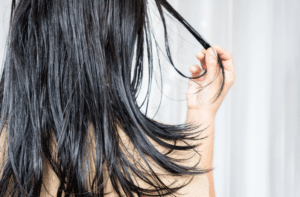
Finding white flakes on a teenage girl's shoulders can be embarrassing, especially when she is getting ready for school or meeting friends. She might brush them off repeatedly, change into a dark shirt, or worry that other people will notice. For parents, dandruff may seem like a small problem, but for a teenager who cares about her appearance, it can feel much bigger.
Dandruff is very common during the teenage years. It often begins around puberty, when hormonal changes make the scalp produce more oil. The extra oil can contribute to an environment where dandruff becomes more noticeable. A teenager may have white flakes, an itchy scalp, or greasy roots even when she washes her hair regularly. This does not necessarily mean she has poor hygiene.
The good news is that dandruff is usually manageable. Most cases can be improved with the right shampoo and a few simple changes to hair care habits. However, not every flaky scalp is dandruff. Dry skin, eczema, and other scalp conditions can look similar, so it is worth paying attention to the symptoms, especially if the itching or redness is severe.
What Causes Dandruff in Teenage Girls?
Dandruff is not simply a sign that someone has failed to wash their hair. It is usually related to how the scalp sheds dead skin cells and how the skin responds to certain natural microorganisms and oils.
One important factor is a type of yeast called Malassezia. It naturally lives on the skin, including the scalp. Most people have it without any problems. However, some people's scalps react to it, leading to irritation and faster shedding of skin cells. Those dead skin cells can collect and become visible flakes.
Hormonal changes during puberty can make the problem more noticeable. As oil production increases, some teenagers develop greasy hair and flaky scalps at the same time. Genetics and individual skin sensitivity may also play a role. In other words, two girls can have similar hair care routines but very different experiences with dandruff.

TS GD Shampoo for Girls with Protein for Damaged Dry Hair
Why Does Dandruff Often Start During Puberty?
Puberty brings plenty of changes, and the scalp is no exception. Hormones called androgens stimulate the sebaceous glands, which produce sebum, the natural oil that protects the skin and hair. When these glands become more active, the scalp may become oilier than it was during childhood.
For some girls, this change is barely noticeable. For others, their hair starts looking greasy just one day after washing, and white flakes begin appearing around the hairline or on their shoulders. The combination of oiliness and skin irritation can make dandruff particularly frustrating.
Dandruff during puberty is not a sign that something is wrong with a girl's development. It is simply one possible skin change during adolescence. However, if the scalp becomes very red, painful, or unusually scaly, it may be something other than ordinary dandruff.
What Does Dandruff Look Like in Teen Girls?
Dandruff does not look exactly the same on everyone. Some girls have small, dry-looking white flakes that fall onto their shoulders. Others have larger flakes that stick to the scalp or hair, especially around the crown, behind the ears, or near the hairline.
Itching is another common symptom. A teenager may scratch her head while studying, watching television, or lying in bed without even realizing it. The scalp might feel slightly uncomfortable, or the itching may become so annoying that it interferes with sleep or concentration.
Some girls have an oily scalp with yellowish or greasy flakes. Others have a relatively dry-looking scalp with fine white flakes. The appearance can offer clues, but it is not always enough to identify the cause. Persistent scaling, especially when accompanied by redness or hair loss, deserves a closer look.
Is Dandruff the Same as a Dry Scalp?
Not necessarily. Dandruff and dry scalp can both cause white flakes and itching, which is why they are often confused. However, they have different causes and may need different treatments.
A dry scalp usually happens when the skin loses too much moisture. Cold weather, dry indoor air, hot showers, and harsh shampoos can make it worse. The flakes are often small and dry, and the scalp may feel tight or uncomfortable.
Dandruff is more closely linked to scalp oil, skin irritation, and the natural yeast found on the skin. The flakes may look larger or greasier, and the scalp can become itchy. Of course, there is some overlap. A teenager can have an oily scalp and still experience dryness or irritation from hair products.
This is why simply applying hair oil is not always a good solution. If the problem is dandruff associated with an oily scalp, adding more oil may make the hair feel heavier without treating the underlying cause.
Can Dirty Hair Cause Dandruff?
Dandruff is not caused by being dirty. A girl can wash her hair regularly and still have flakes. Likewise, a teenager who washes her hair less often may notice more visible buildup, but that does not mean poor hygiene is the root cause.
However, washing habits can affect how noticeable dandruff becomes. When oil, dead skin cells, and hair products accumulate, flakes may become more visible. For girls with oily scalps, washing often enough to remove excess oil can help keep the scalp comfortable.
The key is finding a reasonable routine rather than scrubbing the scalp aggressively. Washing too roughly or using irritating products can make an already sensitive scalp feel worse. Gentle, consistent care is generally more helpful than repeated deep cleaning.
How to Treat Dandruff in Teenage Girls
For mild dandruff, regular washing with a gentle shampoo may be enough. If the flakes keep coming back, an anti-dandruff shampoo is often the next step. These shampoos contain ingredients that help control flaking, reduce scalp irritation, or slow the growth of yeast associated with dandruff.
Common ingredients include ketoconazole, selenium sulfide, zinc pyrithione, and salicylic acid. They do not all work in exactly the same way. Some help control yeast, while others loosen flakes or reduce scaling. A shampoo that works well for one teenager may not work as well for another.
It is important to follow the instructions on the bottle. Some medicated shampoos need to stay on the scalp for several minutes before rinsing. Using more shampoo or leaving it on longer than directed will not necessarily make it work faster. If a product causes burning, strong itching, or a rash, stop using it and ask a healthcare professional for advice.
How Often Should Teen Girls Wash Their Hair?
There is no single washing schedule for every teenage girl. Hair texture, scalp oil, activity level, and the type of shampoo all matter. A girl with fine, straight hair and an oily scalp may need to wash her hair daily or every other day. Someone with thick, curly, or coily hair may need to wash less often to avoid dryness.
If dandruff is present, washing often enough to remove excess oil can help. However, frequent use of a medicated shampoo may dry out some hair types, particularly curly or chemically treated hair. In those cases, applying the treatment mainly to the scalp and using a moisturizing conditioner on the hair can help.
A practical routine is usually better than constantly changing products. Give a suitable dandruff shampoo time to work, following its directions. If the flakes improve, the teenager may be able to reduce how often she uses it. Some people need occasional maintenance treatment because dandruff can return.
Can Stress Make Dandruff Worse?
Teenage life can be stressful. Schoolwork, exams, friendships, family expectations, and changes in appearance can all add pressure. Stress does not mean a teenager is causing her own dandruff, but it may make an existing scalp problem worse.
Some people notice more itching or flaking during stressful periods. Others see their symptoms return when the weather becomes colder or drier. These changes can be frustrating, especially when a girl has already found a hair care routine that seems to work.
There is no need to blame every flare-up on stress. Dandruff has several possible causes, and sometimes it returns without an obvious reason. Still, getting enough sleep, taking breaks from schoolwork, and making time for enjoyable activities can support overall well-being. These habits may help with stress, even though they are not a replacement for dandruff treatment.
Can Hair Products Make Dandruff Worse?
Yes. Some hair products can irritate the scalp or leave behind a buildup that makes flakes more noticeable. Hair sprays, gels, styling creams, dry shampoo, and fragranced products may be troublesome for some teenagers.
A girl who recently started using a new shampoo or styling product and then developed an itchy, flaky scalp may be reacting to one of its ingredients. This is sometimes called contact dermatitis. The scalp may become red, irritated, itchy, or even sore.
When symptoms begin after trying a new product, it makes sense to stop using it temporarily and see whether the irritation improves. Avoid introducing several new products at once, since that makes it harder to identify the cause. If the reaction is severe or does not settle, a doctor can help determine whether an allergy or another skin condition is involved.
Does Dandruff Cause Hair Loss in Teen Girls?
Ordinary dandruff does not usually cause permanent hair loss. However, persistent itching can lead to repeated scratching, which may irritate or damage the scalp. In some cases, a more serious scalp condition may be mistaken for dandruff.
For example, scalp ringworm, also called tinea capitis, can cause scaling, itching, and patches of hair loss. It is a fungal infection that needs medical treatment. Psoriasis and some types of eczema can also cause thick scales and inflammation.
If a teenage girl has bald patches, broken hairs, a painful scalp, or noticeable hair loss along with flakes, she should be examined by a healthcare professional. It is better not to assume that every flaky scalp is simple dandruff. Early treatment can help prevent unnecessary discomfort and further problems.
How Can Teen Girls Prevent Dandruff From Coming Back?
Dandruff can be stubborn. Even after the flakes disappear, they may return weeks or months later. This does not mean the treatment failed or that the teenager did anything wrong. Some people naturally have recurring dandruff and need to manage it over time.
A few everyday habits can help keep symptoms under control:
- Wash the scalp regularly according to its oiliness and hair texture.
- Use anti-dandruff shampoo as directed, rather than applying it more often than recommended.
- Rinse shampoo and conditioner thoroughly.
- Limit heavy styling products if they leave the scalp greasy or irritated.
- Avoid scratching or picking at flakes, even when the itching is annoying.
Keeping the routine simple is often helpful. A teenager does not need a shelf full of special products to care for her scalp. If a particular shampoo works and does not cause irritation, there may be no reason to keep switching brands.
When Should a Teenager See a Doctor for Dandruff?
Most mild dandruff can be managed at home. However, a doctor or dermatologist should check the scalp if the flakes do not improve after several weeks of appropriate treatment, or if the symptoms are severe.
Persistent redness, swelling, painful patches, thick crusts, sores, or significant itching are reasons to seek medical advice. The same applies if the scalp is affecting sleep, school, or a teenager's confidence. There is no need to wait until the problem becomes unbearable.
A doctor can examine the scalp and check whether the symptoms are caused by dandruff, seborrheic dermatitis, eczema, psoriasis, or a fungal infection. Depending on the diagnosis, the teenager may need a different shampoo or a prescription treatment.
It is also worth remembering that a scalp problem can be emotionally upsetting even when it is medically mild. If a girl feels embarrassed about flakes on her clothes or worries that classmates will notice, parents can reassure her that dandruff is common and not contagious. Practical support and a calm approach can make treatment feel much less stressful.
FAQ
1. Is dandruff common in teenage girls?
Yes. Dandruff can develop during adolescence, partly because hormonal changes increase scalp oil production. It is common and usually manageable with regular hair care and suitable shampoo.
2. What is the main cause of dandruff in teen girls?
Dandruff can have several causes, including oily skin, sensitivity to natural yeast on the scalp, dry skin, and certain skin conditions. Puberty may make it more noticeable by increasing oil production.
3. How can a teenage girl get rid of dandruff quickly?
A suitable anti-dandruff shampoo may help reduce flakes and itching. Look for ingredients such as ketoconazole, selenium sulfide, or zinc pyrithione. Follow the product instructions, as dandruff usually takes time to improve.
4. Should teenage girls wash their hair every day if they have dandruff?
Some girls with oily scalps may benefit from daily washing with a gentle shampoo. However, medicated dandruff shampoo may only be needed a few times a week. The right schedule depends on hair texture and the product used.
5. Can dandruff cause an itchy scalp in teenage girls?
Yes. Dandruff commonly causes itching, which can range from mild to quite annoying. If the itching is severe, persistent, or accompanied by redness or sores, a healthcare professional should examine the scalp.