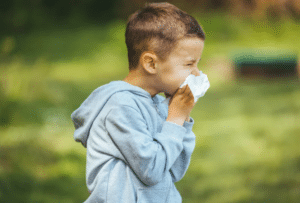
Fall allergy season is supposed to end at some point. So when November passes, the holidays arrive, and a child is still sneezing every morning, parents may start wondering what is going on. The runny nose may seem never-ending. The child rubs itchy eyes at breakfast, sounds stuffy at bedtime, or wakes up coughing after a night of restless sleep.
The reason is not always that fall allergies are lasting longer than expected. Some children react to allergens that remain in the air or inside the home after outdoor pollen levels drop. Dust mites, pet dander, indoor mold, and even pollen from other plants can keep symptoms going. Sometimes, the problem is not an allergy at all. A cold or another condition may look very similar.
The most helpful clue is often the pattern. Does the child feel worse after waking up? Do symptoms improve during a trip away from home? Does the nose start running again after outdoor play? These details can help parents work out what might be causing the trouble and decide whether it is time to speak with a pediatrician.
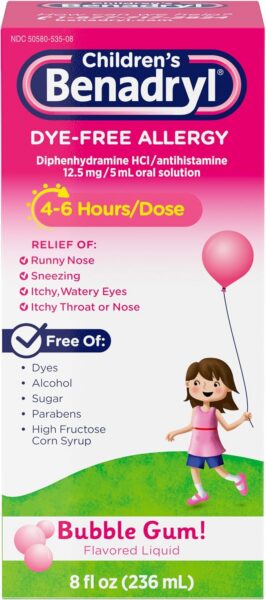
Children's Benadryl Allergy Relief Liquid, Dye-Free, Children 6+, 8 fl. Oz
1. Indoor Allergens May Be Keeping Symptoms Going
One of the biggest reasons children still have allergy symptoms after fall is that indoor allergens do not follow the same calendar as outdoor pollen. When the weather gets colder, children spend more time inside. Windows stay closed, heating systems turn on, and bedrooms become places where children spend even more time breathing the same indoor air.
The most common indoor triggers include dust mites, pet dander, and mold. These allergens can cause a runny nose, sneezing, nasal congestion, and itchy eyes throughout the year. According to the American Academy of Pediatrics (AAP), children can have seasonal allergies, year-round allergies, or both at the same time.
This explains why a child may seem to have one long allergy season. Ragweed pollen may cause symptoms in September, but dust mites or pet allergens may keep the nose irritated in December. The symptoms look similar, so it is easy to assume the original fall allergy simply never went away.
Dust Mites in Bedding and Bedrooms
Dust mites are tiny creatures that live in household dust. They are often found in mattresses, pillows, blankets, rugs, and upholstered furniture. They are too small to see, so even a bedroom that looks clean can contain them.
Pay attention if your child wakes up sneezing, rubs their nose before breakfast, or has a stuffy nose that seems to improve later in the day. These patterns do not prove a dust mite allergy, but they are worth noticing. Washing bedding regularly, reducing dust buildup, and using allergen-proof covers on pillows and mattresses may help children who are sensitive to dust mites.
HealthyChildren.org
+1
Pet Allergens That Stay in the Home
A family cat or dog may be another reason symptoms continue after fall. Pet allergens come from substances such as skin flakes and saliva. They can settle on carpets, bedding, sofas, and clothing, so they are not limited to the rooms where a pet sleeps.
Even after a pet is kept out of a child's bedroom, allergens may remain in the home for weeks or months. This can be frustrating for parents who have already made changes but see little improvement. Reducing exposure takes time, and a child with a suspected pet allergy may need an evaluation by a healthcare professional.
Mold in Damp Areas
Mold can grow in bathrooms, basements, around leaking pipes, or anywhere that stays damp. Some children are sensitive to mold spores, which can trigger allergy symptoms indoors as well as outdoors.
Check for musty smells, water stains, condensation, or areas that never seem to dry out. Visible mold is not the only clue; moisture problems can exist behind walls or under flooring, too. Fixing leaks and reducing dampness are important steps. Simply cleaning the surface will not solve the problem if the area remains wet.
2. Your Child May Still Be Exposed to Pollen
It is easy to think pollen disappears as soon as autumn ends. In reality, pollen seasons vary by region, and different plants release pollen at different times. Depending on the local climate, some children may continue reacting to outdoor allergens after the main ragweed season has passed.
Pollen can also enter the home on jackets, shoes, backpacks, and hair. A child who plays outside after school may bring allergens indoors without anyone noticing. If symptoms are worse after outdoor activities or on certain weather days, continued exposure may be part of the explanation.
Try a few simple changes. Have your child change clothes after outdoor play, wash their hands and face, and shower before bed when pollen exposure has been high. Keep windows closed when outdoor pollen levels are elevated, if practical, and check a local pollen forecast rather than relying on the season or temperature alone.
3. It Might Be a Cold Instead of an Allergy
Children spend time around classmates, siblings, and other children, so catching a cold during fall and winter is common. A child who has allergies may also catch a virus, making it difficult to tell which problem is causing the symptoms.
A cold can cause a runny nose, sneezing, congestion, sore throat, and cough. Symptoms often peak during the first few days and usually improve within about a week, although some children have symptoms for longer. Fever and body aches are more suggestive of an infection than ordinary seasonal allergies.
Allergies are more likely when the child has an itchy nose or eyes, sneezes repeatedly, and develops symptoms around the same triggers. For example, a child may feel worse after playing outside or wake up with a stuffy nose most mornings. Still, no single symptom can tell the whole story. If a cold seems to be getting worse instead of better, or symptoms last more than 10 days without improvement, contact the child's healthcare provider.
4. Postnasal Drip May Be Causing a Lingering Cough
Sometimes, parents notice that the runny nose has improved, but the child still coughs, especially at bedtime or first thing in the morning. One possible reason is postnasal drip. This happens when mucus from the nose runs down the back of the throat and causes irritation.
Postnasal drip can occur with allergies and respiratory infections. A child may keep clearing their throat, cough more when lying down, or wake up with a scratchy throat. The cough may seem like a separate problem even though it began with nasal symptoms.
However, not every lingering cough is caused by allergies. Asthma, infections, and other conditions can also cause ongoing coughing. If the cough disrupts sleep, continues for weeks, or comes with wheezing or shortness of breath, arrange a medical assessment rather than assuming it is simply part of allergy season. Children who already have asthma should follow the care plan provided by their healthcare professional.
5. Cold Air, Smoke, and Strong Smells Can Make Symptoms Worse
Not every trigger that causes a runny nose or cough is an allergen. Cold air, cigarette smoke, strong fragrances, cleaning sprays, and air pollution can irritate a child's nose and airways. These irritants may cause symptoms that look like allergies, even when the immune system is not reacting to an allergen.
For example, a child may start coughing when stepping outside into cold air, or sneeze after someone uses a strong room spray. Symptoms that occur around these triggers may point toward irritation or nonallergic rhinitis rather than a pollen allergy. Some children have both allergic and nonallergic triggers, which makes the pattern harder to understand.
Keep the home free from tobacco smoke, avoid unnecessary air fresheners, and use cleaning products with good ventilation. If the child's symptoms repeatedly occur around a particular smell or activity, note that pattern and discuss it with the pediatrician.
6. How to Help Your Child Feel Better at Home
When allergy symptoms drag on for weeks, it is tempting to try every cleaning product, air filter, or home remedy available. A better approach is to focus on the child's most likely triggers and make changes that are practical to maintain.
Start by paying attention to where and when symptoms occur. If your child is worse in bed, focus on the bedroom. If symptoms flare after outdoor play, reduce pollen exposure. If the child seems uncomfortable everywhere, or the cause is unclear, a healthcare professional can help narrow down the possibilities.
A few useful steps include:
- Wash bedding regularly. Follow care labels and use hot water when suitable for the fabric and recommended for dust mite control.
- Reduce bedroom dust. Clean surfaces and vacuum regularly. A vacuum with a HEPA filter may help reduce airborne particles.
- Keep damp areas dry. Repair leaks, improve ventilation, and address mold growth safely.
- Reduce pollen brought indoors. Change clothes and wash up after outdoor activities when pollen exposure is high.
- Limit exposure to known pet allergens. If a pet allergy is suspected, ask a healthcare professional how to reduce exposure.
- Avoid smoke and strong fragrances. These can irritate the nose and airways, even when allergies are not the cause.
These changes may help, but they do not replace medical advice. There is also no need to deep-clean the entire home every day. Start with the places where your child spends the most time and the triggers that seem most likely.
7. Should Your Child Take Allergy Medicine?
If symptoms interfere with sleep, school, sports, or everyday activities, it may be time to discuss treatment with a pediatrician. The right medicine depends on the child's age, symptoms, other health conditions, and the likely cause.
Antihistamines may help relieve sneezing, itching, and watery eyes. Nasal corticosteroid sprays can reduce inflammation inside the nose and may be helpful for persistent nasal symptoms. These medicines work differently, so the best choice is not the same for every child.
Do not assume that a medicine suitable for an older child is appropriate for a younger one. Some products cause drowsiness, and combination cold medicines may contain ingredients that a child does not need. Ask a pediatrician or pharmacist about the right product and dose. If the child has been using medicine without much improvement, tell the doctor rather than increasing the dose or combining products on your own.
8. When Should You Take Your Child to the Doctor?
Occasional sneezing does not always require a medical visit. But symptoms that continue for weeks, keep returning, or interfere with sleep and school deserve attention. It is especially important to get advice if you are unsure whether your child has allergies, a cold, asthma, or another condition.
A pediatrician can review the child's symptoms, examine the nose and throat, and ask about possible triggers at home and school. If allergies are suspected but the cause remains unclear, the doctor may recommend allergy testing or refer the child to an allergy specialist. Identifying the trigger can help the family choose more useful treatments instead of trying one remedy after another.
Seek urgent medical care if your child has serious trouble breathing, severe wheezing, or swelling of the lips or tongue. These symptoms should not be treated as ordinary seasonal allergies.
Frequently Asked Questions
1. Why does my child still have allergy symptoms after fall?
The child may be reacting to indoor allergens such as dust mites, pet dander, or mold. Outdoor pollen may also remain a problem in some areas. A cold, postnasal drip, or another condition can cause similar symptoms, so persistent problems may need medical evaluation.
2. Can seasonal allergies turn into year-round allergies?
Seasonal allergies do not necessarily turn into year-round allergies. However, a child may have both seasonal and perennial allergies. For example, ragweed may cause symptoms in fall, while dust mites or pet dander cause symptoms throughout the year.
3. How can parents tell if a child has allergies or a cold?
Allergies often cause itchy eyes or nose, repeated sneezing, and clear nasal discharge. They may continue for weeks or return when the child encounters a trigger. A cold may cause a sore throat, cough, fever, or body aches and usually improves within about a week. These signs are helpful clues, but they cannot confirm the cause on their own.
4. Can indoor allergies cause a child to sneeze every morning?
Yes. Dust mites in bedding and other indoor allergens may cause symptoms overnight or when a child wakes up. Morning sneezing does not prove a dust mite allergy, but it is worth discussing with a pediatrician if it happens regularly.
5. Why does my child's cough continue after allergy symptoms improve?
Postnasal drip may irritate the throat and cause coughing even after a runny nose improves. Asthma or a lingering respiratory infection may also cause a cough. If the cough lasts for weeks, disturbs sleep, or comes with wheezing or breathing trouble, seek medical advice.has serious breathing difficulty or swelling of the lips or tongue.