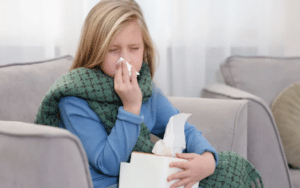
Winter in northern regions often brings dry, cold air. Combine that with indoor heating, and many children develop dry, red lips. You may notice flaky skin, cracks, bleeding, itching, or even pain. Most of the time, this is lip inflammation, also called cheilitis.
What Is Lip Inflammation?
Lip inflammation is a condition where the skin of the lips and surrounding area becomes irritated or inflamed. Symptoms may include:
- Swelling
- Dryness
- Flaking
- Itching
- Pain
The most common type in children is simple lip inflammation. This usually happens because kids lick their lips. Licking may temporarily feel moist, but saliva evaporates quickly, leaving lips even drier. This creates a cycle: the drier the lips, the more the child licks, and the more inflammation develops.
How to Treat Mild Lip Inflammation
If your child has just started to show mild symptoms—dryness or redness—you can try home care first:
- Use a child-friendly lip balm or high-purity medical petroleum jelly
- Apply olive oil over the lip balm at bedtime if no allergies are present
- Repeat multiple times daily
- Avoid licking the lips at all costs
Hydration also matters. If your child isn’t drinking enough fluids, increase water intake. Broths, rice water, and soups help add moisture. When going outside, wear a mask to protect lips from wind. Keep indoor humidity at a comfortable level.
For more severe discomfort, you can use:
- Saline compresses for hydration
- Cold compresses with a towel-wrapped ice pack to relieve pain
If these measures are not enough, or symptoms are severe, see a doctor.
Chronic Lip Inflammation
Some children have repeated dry, flaky lips that don’t improve with hydration alone. This is often chronic exfoliative cheilitis. Key signs include:
- Recurrent dryness
- Flaking
- Cracks
- Pain only when lips split
Chronic lip inflammation often does not respond to extra water. In these cases:
- Continue frequent lip moisturizing
- Avoid licking or peeling lips
- Identify triggers: new toothbrush, lipstick, wind exposure, stress, spicy foods
- Remove or reduce exposure to these triggers

Lip Smacker Lippy Pals, Unicorn, Panda, Kitten, Lip balm for Kids
When to Use Medication
If moisturizing and avoiding triggers aren’t enough, a doctor may prescribe topical treatments. These may include:
- Mild or medium-strength steroid creams
- Antifungal or antibiotic ointments
Parents often worry about safety if the child accidentally swallows a small amount. Do not worry—the amount absorbed is minimal and is quickly metabolized. For best results:
- Apply ointment sparingly
- Avoid eating, drinking, or licking for at least 1 hour after application
Tips to Prevent Lip Problems
- Moisturize frequently with child-safe lip balms
- Avoid licking lips
- Protect lips from cold wind with masks or scarves
- Keep indoor air moderately humid
- Identify and remove triggers like spicy foods or new cosmetic products
FAQ
Q: Why do kids’ lips crack in winter?
A: Dry air and indoor heating remove moisture. Licking the lips worsens dryness, causing cracks and redness.
Q: Can drinking more water fix lip inflammation?
A: Hydration helps, but chronic lip problems may not respond to water alone. Moisturizing and avoiding licking are key.
Q: Is it safe to use lip balm or petroleum jelly?
A: Yes, safe child-friendly products and medical-grade petroleum jelly are recommended multiple times daily.
Q: When should I see a doctor?
A: If lips are very painful, bleeding heavily, or chronic inflammation persists, a pediatrician can provide topical treatment.
Q: Are medicated lip ointments safe for kids?
A: Yes. Small topical amounts are safe. Avoid licking for an hour after application to maximize effectiveness.