Spring is a beautiful season, but for many kids, it also brings sneezes, itchy eyes, and runny noses. These are often caused by spring allergies. Many parents notice that their children’s allergies appear every year at the same time. Understanding what triggers spring allergy in kids and how to manage it can help children feel more comfortable and enjoy the season.
What is Spring Allergy in Kids
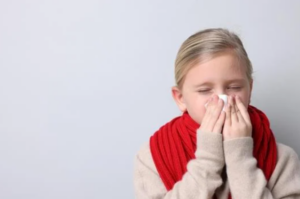
Spring allergy, also called seasonal allergic rhinitis or hay fever, happens when a child’s immune system reacts to tiny particles in the air. These particles, called allergens, include pollen from trees, grass, and flowers. When kids breathe in pollen, their body thinks it is dangerous and reacts by releasing chemicals like histamine. This leads to sneezing, itchy eyes, and a runny nose.
Most children with spring allergies are otherwise healthy, but allergies can still make them feel tired, cranky, or have trouble sleeping. Sometimes, it can even affect their schoolwork or outdoor activities. Recognizing the signs early helps parents take action before symptoms get worse.
Common Symptoms of Spring Allergy in Kids
Spring allergies can look like a cold, but there are some differences. Cold symptoms usually last about a week and may include fever. Allergies last longer and do not cause fever.
Look out for these common symptoms:
- Frequent sneezing
- Runny or stuffy nose
- Itchy or watery eyes
- Itchy throat or ears
- Dry cough
- Dark circles under the eyes
- Feeling tired or cranky
If your child shows these symptoms for several weeks, especially during spring, it is likely due to allergies. Symptoms may be worse after outdoor play, especially on windy days or in the morning when pollen levels are higher.
Common Causes of Spring Allergy in Kids
Spring allergy is mostly caused by pollen in the air. Different plants release pollen at different times:
- Spring trees: oak, birch, maple
- Grass: ryegrass, Timothy grass
- Flowers and weeds: certain wildflowers
Weather also matters. Warm, dry, and windy days have more pollen, while rain can wash pollen away. Knowing what triggers your child’s allergies can help you reduce exposure and plan outdoor activities better.
Tips to Reduce Allergy Symptoms at Home
Parents can take steps to reduce a child’s exposure to allergens. These simple tips often help children feel much better:
- Keep windows closed during high pollen days
- Use air conditioning instead of fresh air
- Shower and change clothes after playing outside
- Wash bedding often in hot water
- Use a HEPA air filter at home
- Avoid outdoor play early in the morning or on windy days
Small daily habits can make a big difference in managing spring allergy symptoms.
Medical Treatment Options for Kids
Sometimes home care is not enough. Safe treatments can reduce symptoms and help children feel more comfortable. Always check with a doctor before giving any medicine.
Common treatments include:
- Antihistamines: reduce sneezing and itchy eyes
- Nasal sprays: clear blocked noses
- Eye drops: relieve itchy, watery eyes
For severe allergies, doctors may recommend allergy shots (immunotherapy). This treatment helps the body get used to allergens gradually, reducing symptoms over time.
Diet and Lifestyle Support
Healthy habits can support your child’s immune system and help reduce allergy symptoms:
- Eat fruits and vegetables rich in vitamins C and D
- Drink plenty of water
- Get enough sleep every night
- Exercise regularly, but avoid outdoor play during peak pollen times
Good nutrition and sleep can help children handle allergies better and improve overall well-being.
When to See a Doctor
Most spring allergies can be managed at home. However, it’s important to seek medical help if:
- Symptoms do not improve with basic care
- Your child has trouble breathing or wheezing
- Sleep is disturbed frequently
- Allergies affect school or daily life
Early treatment can prevent symptoms from getting worse and help children stay active and comfortable.
Helping Your Child Cope
Spring allergies can be frustrating for kids. They may feel tired or unable to play outdoors. Support from parents makes a big difference:
- Talk about their symptoms and reassure them
- Make daily routines for hand washing, showering, and changing clothes
- Encourage them to follow allergy care tips consistently
With the right support, most children with spring allergies can still enjoy school, outdoor activities, and family time.

Boiron AllergyCalm Kids Pellets for Relief from Allergy and Hay Fever Symptoms of Sneezing
FAQ About Spring Allergy in Kids
1.How do I know if my child has allergies or a cold
Allergies last longer than colds and do not cause fever. Sneezing and itchy eyes are more common in allergies.
2. At what age can kids develop spring allergies
Children can develop allergies as early as age 2 or 3. Symptoms usually become more noticeable as they grow older.
3.Can spring allergies be cured
There is no full cure, but symptoms can be well managed with home care and treatment.
4.Is it safe to give allergy medicine to kids
Many allergy medicines are safe for children, but check with a doctor first for proper dosage.
5.Do air purifiers help with allergies
Yes, HEPA air filters reduce indoor allergens like pollen and dust, improving symptoms.
6.Can allergies affect my child’s sleep
Yes, nasal congestion or itching can disrupt sleep, making children tired and irritable during the day.