The first time many parents hear the price of braces, there is often a moment of silence. Then comes the question: "Do braces really cost that much?"
It is a fair question. Orthodontic treatment is one of the biggest healthcare expenses many families face during the teen years. Unlike a routine dental cleaning, braces involve months or even years of treatment. The good news is that there are more options today than ever before, and understanding the costs can help families make a decision with confidence.
Many parents begin searching online hoping to find one simple number. Unfortunately, there is no single price that applies to every teen. The final cost depends on several factors, including the type of braces, the complexity of the dental problem, insurance coverage, and even where the family lives.
Why Some Teens Need Braces
Not every teen needs braces, but many do. Teeth do not always grow in perfectly straight. Some teens have crowded teeth that overlap. Others may have large gaps between teeth or bite problems that make chewing difficult.
Orthodontists often recommend treatment when crooked teeth affect oral health, speech, or the way the upper and lower teeth fit together. In some cases, braces are mainly cosmetic. In other cases, they help prevent future dental problems.
Parents sometimes wonder if braces are worth the investment. Looking at long term dental health, many orthodontists would say yes. Straight teeth are generally easier to clean, which may lower the risk of cavities and gum problems later on.
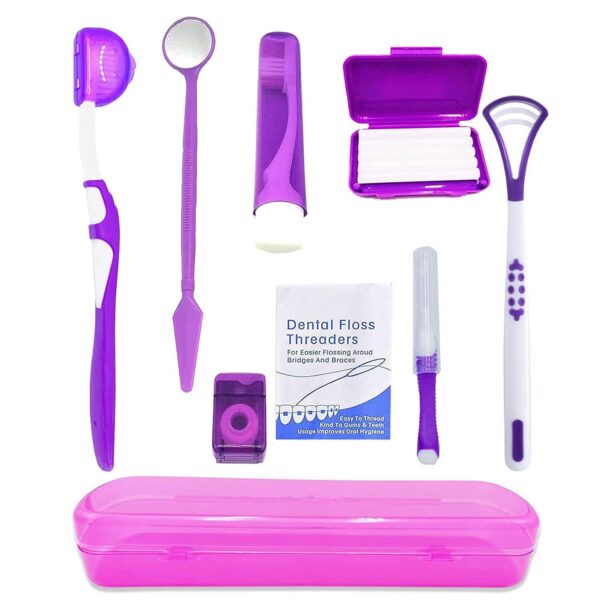
Portable Orthodontic Oral Care Kit for Braces - Interdental Brush Dental Wax Dental Floss Toothbrush Cleaning Kit(Purple)
Average Cost of Teen Braces
Across the United States, teen braces typically cost between $3,000 and $10,000.
That range is quite large, and there is a reason for it. Every smile is different. A teen with minor spacing issues may need less treatment than a teen with severe crowding or jaw alignment problems.
For many families, the most common price falls somewhere between $4,500 and $7,500. This range covers a large percentage of orthodontic cases.
One interesting thing parents often notice is that two orthodontists in the same city may provide different treatment estimates. This does not necessarily mean one is better than the other. Treatment approaches, included services, and office fees can vary.
Cost of Traditional Metal Braces
Traditional metal braces are still the most common option for teenagers.
Most metal braces cost between $3,000 and $7,000.
Despite all the newer technologies available today, metal braces remain popular because they work well for many orthodontic problems. They are durable, reliable, and often less expensive than other choices.
Many teens actually enjoy choosing colorful bands during adjustment visits. It may sound like a small detail, but having some control over the colors can make the process feel more personal.
Parents looking for the most budget friendly option often start with metal braces.
Cost of Ceramic Braces
Ceramic braces work similarly to metal braces, but they use tooth colored brackets that blend in more naturally.
The average cost usually falls between $4,000 and $8,500.
For teenagers who feel self conscious about wearing braces, ceramic braces can be appealing. They are less noticeable in photos and during social events.
There is a tradeoff, however. Ceramic brackets can be more delicate than metal ones. They also require good oral hygiene to avoid staining around the brackets.
For some families, the improved appearance is worth the extra cost. For others, traditional metal braces remain the practical choice.
Cost of Invisalign for Teens
Clear aligners have become increasingly popular among teenagers.
Invisalign treatment often costs between $4,000 and $9,000, although prices can vary.
One major advantage is convenience. Aligners can be removed for meals, brushing, and flossing. There are no restrictions on sticky candy, popcorn, or crunchy snacks because the trays come out before eating.
Still, Invisalign is not perfect for every teen. The aligners must be worn most of the day. A responsible teen may do great with this system. A forgetful teen might struggle.
That reality is something many parents discover during consultations. The best treatment option is not always the newest one. It is the one a teen is most likely to follow consistently.
What Makes Braces Expensive?
Some parents look at braces and wonder why they cost thousands of dollars when the brackets themselves seem small.
The answer is that braces involve much more than the hardware attached to the teeth.
Orthodontic treatment includes professional planning, digital imaging, regular adjustments, monitoring, specialized equipment, office visits, and years of expertise. Teeth move slowly and carefully over time.
An orthodontist is not simply installing braces. The orthodontist is managing a complex process that may last two years or longer.
That professional care is a major part of the overall cost.
Factors That Affect Teen Braces Cost
Several factors can influence the final price.
Treatment complexity is one of the biggest. Mild alignment problems usually cost less than severe bite corrections.
Geographic location also matters. Orthodontic care in major cities is often more expensive than in smaller communities.
Treatment length can affect pricing as well. A case that lasts thirty months may cost more than one completed in eighteen months.
The orthodontist's experience and reputation may also influence fees. Highly experienced specialists often charge more, though many parents feel the added expertise provides peace of mind.
Does Insurance Cover Braces?
This is one of the most common questions parents ask.
The answer depends on the dental insurance plan. Some plans provide orthodontic benefits while others do not.
When orthodontic coverage is included, benefits often range from $1,000 to $3,000. Some plans cover a percentage of treatment costs. Others offer a fixed lifetime orthodontic allowance.
Parents should carefully review policy details. Certain plans have waiting periods or age limits. A quick call to the insurance company can prevent surprises later.
Even partial coverage can reduce the overall cost significantly.
Payment Plans Make Braces More Affordable
The total cost of braces can feel overwhelming when viewed as one large number.
Fortunately, many orthodontic offices offer payment plans.
Common options include:
• Monthly installments
• Interest free financing
• Flexible Spending Accounts (FSA)
• Health Savings Accounts (HSA)
• Discounts for full payment upfront
Many families pay for braces over two or three years rather than paying everything at once. This approach often makes treatment much easier to fit into a household budget.
Hidden Costs Parents Should Watch For
Most orthodontic offices provide clear pricing, but it is still smart to ask questions before treatment begins.
Some costs may not be included in the original estimate.
Examples may include replacement retainers, emergency repairs, missed appointment fees, or charges for extended treatment.
Parents should ask for a written breakdown of costs and confirm exactly what is included. A little clarity upfront can save frustration later.
Are Braces Worth the Money?
There is no universal answer because every family has different priorities and financial situations.
That said, many parents feel the value becomes clear once treatment is complete. Straight teeth can improve appearance, confidence, oral hygiene, and overall dental function.
The teenage years are often filled with school photos, sports, social activities, and important milestones. Feeling comfortable with a smile can have a surprisingly positive impact.
At the same time, orthodontic treatment is not only about appearance. Proper alignment can help support long term dental health.
Looking at the benefits over decades rather than months often changes the conversation.
Tips for Saving Money on Teen Braces
Families hoping to reduce orthodontic costs have several options.
Getting consultations from multiple orthodontists can be helpful. Prices and treatment recommendations sometimes vary.
Using available insurance benefits is another obvious but important step.
Families with FSA or HSA accounts may be able to use pre tax dollars for treatment expenses.
It is also worth remembering that the least expensive treatment is not always the best value. The goal is effective treatment that meets a teen's specific needs.
Final Thoughts
Teen braces are a significant investment, and there is no denying that the cost can seem intimidating at first. Yet for many families, braces provide benefits that last long after the treatment ends.
The final price depends on treatment type, location, insurance coverage, and the complexity of the case. Most families can expect costs somewhere between $3,000 and $10,000, with many cases falling in the middle of that range.
The most useful step is scheduling a consultation with an orthodontist. National averages can provide a general idea, but an individual treatment plan tells the real story. Once parents understand the options available, the decision often feels much less overwhelming.
FAQ
1. How much do braces cost for a teenager?
Teen braces typically cost between $3,000 and $10,000. Most families pay between $4,500 and $7,500 depending on treatment needs.
2. What is the cheapest type of braces for teens?
Traditional metal braces are usually the most affordable option and remain highly effective for most orthodontic problems.
3. Is Invisalign more expensive than braces?
In many cases, Invisalign costs about the same as or slightly more than traditional braces. The exact price depends on treatment complexity.
4. Does dental insurance cover teen braces?
Many dental insurance plans provide orthodontic benefits ranging from $1,000 to $3,000, though coverage varies.
5. How long do teens usually wear braces?
Most teenagers wear braces for 18 to 36 months. Treatment time depends on the severity of the dental issue.
6. Can braces improve oral health?
Yes. Straight teeth are generally easier to clean and may reduce the risk of cavities, gum disease, and uneven tooth wear.
7. Are payment plans available for braces?
Many orthodontic offices offer monthly payment plans and financing options to make treatment more affordable.
8. What happens after braces come off?
Most teens need to wear retainers after treatment to help keep their teeth in their new positions.