One common frustration many parents share is this: your child simply does not want to brush their teeth. It seems like a small task to adults, but to kids it can feel scary, uncomfortable, or annoying. When a child refuses to brush their teeth, the situation can quickly turn into a nightly struggle.
You try being patient, but your child pushes back. You raise your voice, and they become even more resistant. You explain the dangers of cavities, and they do not care. Parents often wonder what they can do without turning brushing time into a power struggle.
A simple and gentle four-step approach can help. It does not rely on threats, bribing, or yelling. Instead, it works with your child’s feelings and helps them slowly accept brushing as a normal part of life.
Below is the parent-friendly method.
Step 1: Acknowledge your child’s feelings
Many parents think encouraging words like “Brushing is easy!” or “Other kids don’t complain!” will motivate their child. But children often feel misunderstood when adults say this. Brushing can be uncomfortable:
• the toothbrush feels scratchy
• the toothpaste tastes odd
• the routine is repetitive and boring
• they do not understand why it matters
So the first step is to accept how your child feels. Try saying:
• “I know brushing your teeth can feel annoying.”
• “You don’t like that taste, right?”
• “It makes sense that you don’t want to do it right now.”
When children feel understood, their emotions calm down. A calm child is far more willing to cooperate.
Step 2: Give simple reasons they can understand
Parents often talk about cavities, damaged teeth, or future dental problems. But young children cannot imagine “five years later.” They live completely in the present.
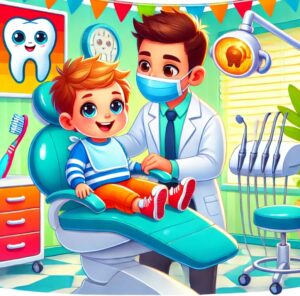
Instead of long explanations, help them see brushing as something real and immediate. You can show pictures of clean and dirty teeth or read simple picture books about dental care. Some parents find it helpful to let their child attend a children’s dental activity or a checkup where a dentist gently explains their tooth condition.
A dentist saying “You need to brush a little better here” can be much more convincing than a parent saying the same thing. Kids tend to trust neutral adults in uniforms.
Step 3: Offer support by brushing together
Many children resist brushing because they feel they are being sent to do something alone. Turning brushing into a shared activity makes it less stressful.
You can brush your teeth beside your child and let them watch you. Make it a little routine:
• turn on the bathroom light together
• squeeze toothpaste at the same time
• brush while counting slowly
• rinse and smile at the mirror together
This simple act of doing it together shows your child that brushing is not a punishment but a normal family habit.
Step 4: Give limited but meaningful choices
Children cooperate more when they feel they have a sense of control. You can offer small choices that do not change the rule “You must brush your teeth,” but give them ownership.
For example:
• “Do you want to brush before or after your bath?”
• “Do you want to use the strawberry toothpaste or the grape one?”
• “Should Mom brush with you tonight or should Dad?”
These choices are real choices for the child, but brushing still happens. When children make a choice, they become more willing to follow through.
When the four steps do not work immediately
Even if you follow all four steps, some children will still refuse at first. That is normal. Changing habits takes time. The important thing is your consistency:
• stay calm
• continue acknowledging feelings
• offer clear and simple explanations
• brush together
• keep giving choices
When children see that you respect them and include them, they slowly stop seeing brushing as something forced and start treating it as a normal routine.
This approach builds not only good brushing habits but also long-term cooperation skills and confidence.
FAQ
1. What if my child cries or screams every time?
Stay calm and go back to step one. Acknowledge their feelings first. Avoid forcing, because force increases fear and makes future brushing harder.
2. Can I use rewards for brushing?
Occasional rewards may work for short periods, but they do not build long-term habits. Kids may eventually refuse unless a reward is offered.
3. Should I brush my child’s teeth for them?
Yes. Children usually need help brushing until around age 6 to 7. You can let them brush first, then you go over the spots they missed.
4. What if my child only wants to play and not brush?
Turn brushing into a small game. Try brushing while singing a short song or using a timer to make it fun.
5. How often should kids brush their teeth?
Twice a day: once in the morning and once before bedtime, using fluoride toothpaste appropriate for their age.
6. When should I take my child to the dentist?
Experts recommend a dental visit by age one or within six months after the first tooth appears.