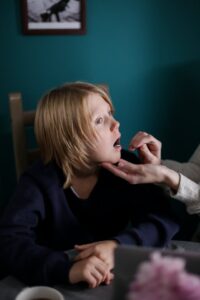
Hand, foot, and mouth disease (HFMD) is a common illness in young children. It spreads easily in schools, daycare centers, and playgrounds. Many parents first notice it when their child suddenly feels tired, has a fever, or refuses to eat.
The tricky part is that early HFMD symptoms look like a normal cold. This is why many parents do not realize what it is at first. But after 1–2 days, more specific signs start to appear.
Understanding the symptoms early can help parents take better care of their child and prevent spreading it to others.
Early Symptoms of HFMD
The first stage of HFMD often feels mild. It may look like a simple viral infection.
Common early symptoms include:
- Mild fever
- Sore throat
- Low energy
- Loss of appetite
- Irritability in younger children
Some children may also complain that their mouth hurts, even before any visible sores appear. Babies may cry more or refuse milk or water.
At this stage, HFMD is already contagious, even if parents do not see clear signs yet.
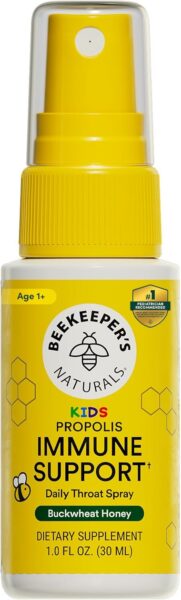
Kids Propolis Throat Spray - Natural Immune Support & Sore Throat Relief
Mouth Sores: A Key Sign
One of the strongest signs of HFMD is painful mouth sores.
These may appear inside:
- The tongue
- Cheeks
- Gums
- Throat
The sores often look like small red spots that can turn into blisters.
This is why children may:
- Refuse to eat
- Cry during drinking
- Avoid hot or salty food
Mouth pain is usually the most uncomfortable part of HFMD.
Parents often notice that children suddenly stop eating their favorite foods. This is a strong warning sign.
Skin Rash on Hands and Feet
After fever and mouth symptoms, a rash usually appears.
The rash often shows up on:
- Hands
- Feet
- Fingers
- Toes
- Sometimes buttocks or legs
The rash may look like:
- Small red spots
- Tiny blisters
- Flat or slightly raised bumps
Not all children have the same type of rash. Some have mild spots, while others have more visible blisters.
Unlike allergies, HFMD rash is not itchy in most cases, but it may feel uncomfortable.
Fever Pattern in HFMD
Fever is usually one of the first signs, but it is often mild to moderate.
Typical pattern:
- Starts suddenly
- Lasts 1–3 days
- May come before rash appears
If fever is high and long-lasting, parents should consult a doctor because it may indicate another infection.
How HFMD Symptoms Progress
HFMD usually follows a clear timeline:
Day 1–2:
- Fever
- Sore throat
- Tiredness
Day 2–3:
- Mouth sores appear
- Eating becomes difficult
Day 3–5:
- Rash appears on hands and feet
Day 5–7:
- Symptoms slowly improve
Most children recover within 7–10 days.
HFMD vs Other Illnesses
HFMD is often confused with other common illnesses.
HFMD vs Cold:
- HFMD has mouth sores
- Cold usually does not
HFMD vs Chickenpox:
- HFMD rash is mostly on hands and feet
- Chickenpox spreads across whole body
HFMD vs Allergies:
- HFMD causes fever
- Allergies do not cause fever
When Parents Should Be Concerned
Most HFMD cases are mild, but watch for warning signs:
- Child refuses all fluids
- Severe mouth pain
- Signs of dehydration
- High fever lasting more than 3 days
- Extreme tiredness
These may require medical attention.
Conclusion
HFMD symptoms usually start with fever and mild illness, followed by mouth sores and a rash on hands and feet. Even though it can look worrying, most children recover fully within a week.
Early recognition helps parents care for their child better and reduce spread in schools or daycare.