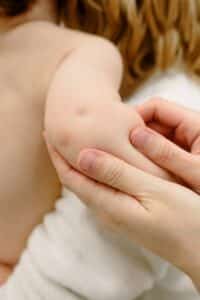
Hand, foot, and mouth disease is a very common illness in young children. Many parents first notice it when their child suddenly gets a fever, refuses food, or develops small red spots on the hands and feet. Even though the name sounds scary, most cases are mild and improve within about a week.
This illness is often called HFMD for short. It spreads easily in schools, daycare centers, playgrounds, and places where children play closely together. Babies and young children under age 5 get it most often, but older children and even adults can sometimes catch it too.
The good news is that most children recover fully with simple home care. Understanding the symptoms, treatment, and prevention steps can help parents feel more prepared and less worried.
What Is Hand, Foot & Mouth Disease?
HFMD is a viral infection. It is usually caused by a group of viruses called enteroviruses. One common virus linked to HFMD is Coxsackievirus.
Because it is caused by a virus, antibiotics do not work against it. The illness usually goes away on its own after several days.
HFMD spreads easily through:
- Saliva
- Coughing and sneezing
- Nasal mucus
- Stool from diaper changes
- Touching contaminated toys or surfaces
Children can spread the virus even before symptoms fully appear. This is why outbreaks often happen quickly in schools and daycare settings.
Early Symptoms of HFMD
The first symptoms often look similar to a common cold or flu. Parents may not realize it is HFMD right away.
Early symptoms may include:
- Fever
- Sore throat
- Tiredness
- Reduced appetite
- Fussiness in young children
Some children complain that their mouth hurts before the rash appears. Babies and toddlers may cry more or refuse food and drinks because swallowing feels painful.
The fever is usually mild, but some children may feel weak and sleepy during the first few days.

Boogie Antibacterial Hand Wipes by Boogie, Alcohol Free, Hypoallergenic and Moisturizing Aloe, for Kids and Adults -100 Total Wipes (5 Packs of 20)
The Rash and Mouth Sores
After the early symptoms, the most recognizable signs usually appear.
Children may develop:
- Small red spots on the hands
- Rash on the feet
- Blisters inside the mouth
- Red spots around the diaper area
The mouth sores are often the most uncomfortable part. These sores may appear on the tongue, gums, or inside the cheeks. Eating salty, spicy, or acidic foods can make the pain worse.
The rash on the hands and feet may look different from child to child. Some children only get a few spots, while others develop many small blisters.
Not every child gets all symptoms. Some children mainly have mouth sores, while others mostly have skin rash.
How HFMD Spreads So Easily
HFMD spreads very easily among young children because kids often touch everything and do not wash their hands well.
The virus spreads through:
- Sharing cups or utensils
- Touching toys with germs
- Close contact during play
- Coughing and sneezing
Daycare centers and schools are common places for outbreaks. If one child gets sick, others may become infected quickly.
Children are usually most contagious during the first week of illness, but the virus can sometimes remain in stool for weeks after recovery.
This is why hygiene is very important for prevention.
Treatment for Hand, Foot & Mouth Disease
There is no special cure for HFMD. Treatment mainly focuses on helping children feel comfortable while the body fights the virus naturally.
Most children recover at home without medical treatment.
Helpful home care includes:
- Plenty of fluids
- Soft foods
- Extra rest
- Fever medicine if recommended by a doctor
Cold foods like yogurt, smoothies, or ice pops may help soothe mouth pain.
Avoid foods that may irritate mouth sores, such as:
- Citrus fruits
- Salty snacks
- Spicy foods
- Hot soups
Keeping children hydrated is very important. Some kids avoid drinking because swallowing hurts, which can lead to dehydration.
Parents should watch for signs like:
- Dry lips
- Less urination
- Extreme tiredness
- Crying without tears
These may suggest dehydration and need medical attention.
How Long Does HFMD Last?
Most children feel better within 7 to 10 days.
The fever often improves first. Mouth sores and rash may take a little longer to disappear completely.
Some children continue to feel tired for a few days even after the rash fades.
In certain cases, fingernails or toenails may peel or fall off several weeks later. This can look alarming, but it is usually temporary and grows back normally.
When Parents Should Call a Doctor
Most cases are mild, but parents should contact a doctor if symptoms become severe.
Seek medical advice if a child has:
- Trouble breathing
- Severe dehydration
- High fever lasting several days
- Extreme sleepiness
- Difficulty swallowing fluids
- Seizures or unusual behavior
Infants and children with weak immune systems may need closer monitoring.
Parents should also contact a healthcare provider if they are unsure whether the rash is truly HFMD or another illness.
How to Prevent Hand, Foot & Mouth Disease
Good hygiene is the best way to reduce the spread of HFMD.
Helpful prevention habits include:
- Washing hands often with soap
- Cleaning toys and surfaces regularly
- Avoiding sharing cups and utensils
- Covering coughs and sneezes
- Staying home when sick
Hand washing is especially important after:
- Using the bathroom
- Changing diapers
- Wiping noses
- Before meals
Children should also stay home from daycare or school if they have fever or active symptoms.
While prevention cannot stop every case, these habits greatly reduce the chance of spreading germs.
Can Adults Get HFMD Too?
Yes, adults can sometimes catch HFMD, although symptoms are often milder.
Parents may develop:
- Sore throat
- Mild fever
- Rash on hands
- Mouth discomfort
Adults usually recover quickly, but they can still spread the virus to children.
Good hygiene helps protect the whole family.
Why HFMD Is More Common in Young Children
Young children are still building their immune system. They also tend to:
- Put hands in their mouth
- Share toys
- Forget hand washing
- Play closely with others
These habits make it easier for viruses to spread.
As children grow older, they usually develop stronger immunity against many common viruses.
Most Children Recover Well
Even though HFMD can look uncomfortable, most children recover fully without long-term problems.
The illness can be stressful for parents, especially when mouth sores make eating difficult. But with fluids, rest, and patience, children usually improve steadily.
The most important things are:
- Keeping children hydrated
- Watching symptoms carefully
- Practicing good hygiene
- Allowing enough rest
Knowing what to expect can help families feel calmer during recovery.
FAQ
1. What causes hand, foot, and mouth disease?
HFMD is caused by viruses, usually Coxsackievirus or other enteroviruses.
2. Is hand, foot, and mouth disease contagious?
Yes. HFMD spreads easily through saliva, coughing, sneezing, stool, and contaminated surfaces.
3. How long does HFMD last in children?
Most children recover within 7 to 10 days.
4. What foods are good for children with HFMD?
Soft and cool foods like yogurt, smoothies, soup, and ice pops may help soothe mouth pain.
5. When should I worry about HFMD symptoms?
Parents should seek medical care if a child has trouble breathing, dehydration, very high fever, or severe weakness.