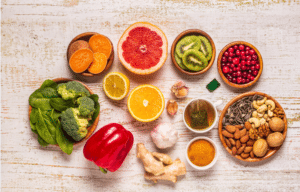
Kids' brains grow a lot when they’re young. What they eat really matters, and fat is one of the most important nutrients. But not all fats are good. Healthy fats help build the brain and keep it working well. Bad fats, like the kind in fried or junk food, don’t help at all. So it’s smart to give your kids more of the good kind.
Why Healthy Fats Are Important
The brain is made up of a lot of fat. One type called DHA, which is an omega-3 fat, is super important for kids' brain growth and learning. These healthy fats help kids pay attention, think clearly, and even feel less moody. They also help protect the brain and nerves and keep the heart and immune system strong.
Good fats help kids stay full, give them energy, and help their bodies use certain vitamins. If kids don’t get enough fat, they might miss out on some of these benefits.
Best Foods with Healthy Fats
There are lots of yummy foods that have the good kind of fat:
- Fatty fish like salmon or sardines
- Avocados
- Nuts and seeds, like walnuts, chia seeds, and flaxseeds
- Eggs with added omega-3
- Nut butters like peanut butter or sunflower seed butter
- Olive oil
- Full-fat yogurt or cheese (but not too much)
These foods can be added to your child’s meals in fun ways. Try avocado toast, fish patties, or nut butter on apple slices. You can mix chia seeds into yogurt or smoothies too.
Easy Ways to Add Healthy Fats to Meals
If your child is picky, try sneaking in some healthy fats:
- Mix ground flaxseeds into pancakes or muffins
- Add nut butter to toast, bananas, or crackers
- Use olive oil to cook eggs or stir into pasta
- Chop walnuts into cereal or oatmeal
- Make tuna sandwiches with salmon or sardines
Try to cook meals at home more often. Skip fast food and snacks that are fried or full of fake ingredients.
Good Fats vs. Bad Fats
Good fats usually come from plants and fish:
- Monounsaturated fats (found in olive oil and avocados)
- Omega-3 fats (found in fish and some seeds)
Bad fats are often in packaged or fried foods:
- Saturated fats (in fatty meats, butter, and some dairy)
- Trans fats (in many baked snacks and fast food)
It’s okay to have a little saturated fat, but try to stay away from trans fats. Always check food labels and stick with real, simple ingredients.
Should Kids Take Omega-3 Supplements?
If your child doesn’t like fish or is allergic, you can think about giving them an omega-3 supplement. Look for one made for kids with fish oil or algae oil. These are often easy to take as a gummy or liquid.
But don’t skip real food. Supplements can help, but healthy meals are the best way to go. Talk to your doctor first if you’re not sure about using a supplement.
FAQ
- What are the best fats for kids’ brains?
Omega-3 fats are great. You can get them from fish, chia seeds, flaxseeds, and walnuts. - Can toddlers eat foods with fat?
Yes! They need fat to grow and stay healthy. Give them avocado, eggs, and nut butters. - How often should my child eat fish?
Try for 1–2 times a week with low-mercury fish like salmon or sardines. - Do I need to avoid all saturated fat?
Not all of it. Just try to eat more of the healthy fats and less of the bad ones. - Is fish oil safe for kids?
Yes, if it’s made for kids and your doctor says it’s okay.
References
- American Academy of Pediatrics - https://www.healthychildren.org
- Harvard School of Public Health - https://www.hsph.harvard.edu/nutritionsource
- National Institutes of Health: Fats and Health - https://ods.od.nih.gov
- Cleveland Clinic - https://my.clevelandclinic.org
- USDA Dietary Guidelines - https://www.dietaryguidelines.gov