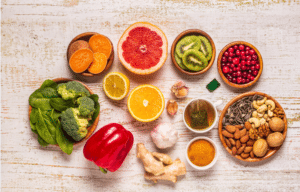
Healthy growth in children depends a lot on what they eat every day. Kids need energy, strong bones, good immunity, and healthy brains. The right daily diet can help them grow taller, stronger, and smarter. Eating a variety of foods is key because each food provides different nutrients. Here’s a simple guide to help parents give kids the right foods for healthy growth.
1. Protein for Strong Muscles and Growth
Protein is important because it builds muscles, bones, and organs. Kids who get enough protein grow better and have stronger immunity.
Good sources of protein include:
- Lean meat like chicken or turkey
- Eggs
- Fish such as salmon or tuna
- Beans and lentils
- Dairy like milk, yogurt, and cheese
- Nuts and seeds (if age-appropriate)
Try to include protein in every meal. For example, scrambled eggs for breakfast, chicken with vegetables for lunch, and beans with rice for dinner. Protein snacks like cheese cubes or yogurt are also helpful.
2. Carbohydrates for Energy
Carbohydrates give kids the energy they need to play, study, and grow. But not all carbs are equal. Choose healthy carbs like:
- Whole grains: oatmeal, brown rice, whole wheat bread
- Fruits: apples, bananas, berries
- Vegetables: sweet potatoes, peas, carrots
Avoid too much sugary food or drinks. Simple carbs give a quick energy spike but are followed by a crash. Healthy carbs keep energy steady and support brain development.
3. Healthy Fats for Brain and Hormones
Fats are essential for growing children. They help the brain develop and hormones work properly. The best fats come from:
- Avocado
- Olive oil or canola oil
- Nuts and seeds
- Fatty fish like salmon or sardines
Limit fried foods, processed snacks, and butter-heavy items. Healthy fats are important, but too much junk fat can be harmful.
4. Vitamins and Minerals for Strong Bones and Immunity
Kids need a range of vitamins and minerals every day. Calcium, vitamin D, iron, and vitamin C are especially important.
- Calcium: milk, yogurt, cheese, fortified plant milks
- Vitamin D: sunlight, eggs, fatty fish
- Iron: lean meat, beans, spinach
- Vitamin C: oranges, strawberries, bell peppers
Eating colorful fruits and vegetables helps cover many vitamins. A rainbow plate ensures kids get enough nutrients for bones, teeth, and immunity.
5. Fiber for Digestive Health
Fiber keeps the digestive system healthy and prevents constipation. Good fiber sources include:
- Whole grains: oats, quinoa, whole wheat pasta
- Fruits: apples, pears, berries
- Vegetables: broccoli, carrots, green beans
- Beans and lentils
Make sure kids drink plenty of water along with fiber-rich foods. Fiber helps them feel full and supports gut health.
6. Hydration: Water is Essential
Water is crucial for every child. It helps maintain energy, supports digestion, and keeps the skin healthy. Kids should drink water regularly throughout the day.
- Offer water instead of sugary drinks
- Limit soda and juice
- Encourage water during sports and playtime
Proper hydration supports overall growth and concentration at school.
7. Tips for Balanced Daily Meals
A balanced plate for kids should include:
- Half plate vegetables and fruits
- One-quarter protein
- One-quarter whole grains
- A small portion of healthy fats
Snacks can include fruit, yogurt, nuts, or veggie sticks. Avoid too many sweets, chips, or processed snacks.
FAQ – Kids’ Daily Nutrition
Q1: How many meals should kids eat per day?
A1: Typically, 3 main meals and 1–2 healthy snacks. Avoid skipping meals to keep energy steady.
Q2: Can kids get all nutrients from food alone?
A2: Most kids can get nutrients from a balanced diet. Some may need supplements if recommended by a doctor.
Q3: Are sugary drinks completely bad?
A3: Limit sugary drinks. Occasional juice is fine, but water is best for hydration and growth.
Q4: Should children avoid fats?
A4: No, healthy fats are essential. Avoid only trans fats and excessive junk fats.
Q5: How can picky eaters get proper nutrition?
A5: Offer small portions of a variety of foods. Try colorful plates, mix vegetables into dishes, and be patient.
References
- American Academy of Pediatrics. “Nutrition for Children.” https://www.aap.org
- Harvard T.H. Chan School of Public Health. “Healthy Eating for Kids.” https://www.hsph.harvard.edu
- Mayo Clinic. “Child Nutrition: Tips for Healthy Eating.” https://www.mayoclinic.org
- Centers for Disease Control and Prevention (CDC). “Childhood Nutrition Facts.” https://www.cdc.gov
- World Health Organization (WHO). “Healthy Diet for Children.” https://www.who.int