Snacks are more than just small bites between meals. They can help kids get energy, nutrients, and even build good eating habits. But picking the right snacks is not always easy. Stores are full of options, and many are full of sugar, salt, or additives. The good news is, with some planning, you can choose snacks that are both tasty and healthy.
Healthy snacks give kids energy between meals, help them focus, and keep their blood sugar steady. When kids are hungry, it is harder to pay attention in class or stay calm at home. A well-chosen snack can also help fill nutrition gaps that might be missing from meals.
Snacks can also be fun. Let your child help pick or prepare snacks. When they are involved, they are more likely to enjoy them and develop healthy eating habits that last a lifetime.
Why Healthy Snacks Matter
Kids are growing fast, and their bodies and brains need fuel all day long. Healthy snacks provide quick energy, essential nutrients, and support learning and growth.
- Energy: Snacks help children keep energy levels stable between meals.
- Nutrients: Many snacks provide vitamins, minerals, protein, and healthy fats.
- Habit-building: Choosing healthy snacks helps kids learn good eating habits early.
Skipping snacks or choosing unhealthy ones can cause mood swings, low attention, or overeating at meals. Healthy snacks make it easier for kids to stay balanced and focused.
Key Principles for Choosing Healthy Snacks
Parents should focus on a few simple principles when picking snacks. These guidelines make it easier to spot the good choices:
- Low sugar and low salt: Avoid candy, chips, and sweetened drinks. High sugar or salt can affect energy and taste preferences.
- High nutrient density: Pick foods that give vitamins, protein, fiber, and healthy fats in small portions. Examples: nuts, fruits, yogurt.
- Whole and natural: Choose snacks with minimal processing and simple ingredients. Fresh fruits and veggies are always a great option.
- Easy and portable: Snacks should be easy to grab, pack for school, or take on outings.
By following these rules, you can make snack time both safe and nutritious.
Top Healthy Snack Choices for Kids
1. Nuts and Seeds
Nuts are packed with healthy fats, protein, and minerals. They can boost brain function and help kids feel full longer.
- Almonds, walnuts, cashews
- Sunflower seeds, pumpkin seeds
Tip: Serve in small portions (about 1 small handful) to avoid overeating.
2. Fruits and Vegetables
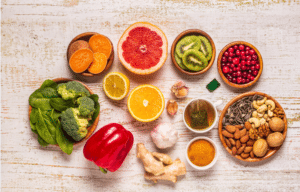
Fruits and veggies are full of vitamins, fiber, and antioxidants. They are colorful, tasty, and easy to eat.
- Fresh fruits: apples, bananas, berries, oranges
- Cut vegetables: carrots, cucumber, bell peppers
Tip: Pair vegetables with a healthy dip like yogurt or hummus.
3. Dairy Snacks
Dairy provides protein and calcium, important for strong bones and teeth.
- Yogurt (unsweetened or lightly sweetened)
- Cheese sticks or cubes
Tip: Add fruit or seeds to yogurt for extra nutrients.
4. Whole Grains
Whole grains provide fiber and slow-release energy, keeping kids full and focused.
- Whole-grain crackers or rice cakes
- Homemade oatmeal cookies or granola bars
Tip: Look for snacks with minimal added sugar.
5. Homemade Snacks
Making snacks at home ensures they are fresh, natural, and free from additives.
- Energy balls with oats, nut butter, and dried fruit
- Smoothies with yogurt, fruits, and spinach
- Veggie muffins made with whole-grain flour
Tips for Parents to Build Healthy Snack Habits
- Set snack times: Avoid constant snacking by offering small, scheduled snack breaks.
- Let kids choose and help: Kids are more likely to eat snacks they helped pick or prepare.
- Control portion sizes: Use small bowls or containers to keep portions reasonable.
- Be a role model: Eat healthy snacks yourself to encourage good habits.
- Balance snacks with meals: Snacks should complement meals, not replace them.
Common Mistakes Parents Make
- Giving sugary drinks or candy as snacks
- Replacing meals with snacks
- Offering snacks high in salt or additives
- Not involving children in snack choices
- Focusing only on calories, not nutrients
Correcting these mistakes helps children develop healthy attitudes toward food.
Frequently Asked Questions (FAQ)
Q1: Are fruit juices a healthy snack for kids?
A1: Fruit juice can contain a lot of sugar and lacks fiber. Whole fruits are always a better choice.
Q2: How many snacks should a child eat per day?
A2: Usually 1–2 small snacks between meals are enough, depending on the child’s age and activity level.
Q3: Can kids eat nuts every day?
A3: Yes, in small portions. Nuts provide healthy fats and protein. Avoid whole nuts for children under 4 years to prevent choking.
Q4: Are store-bought granola bars healthy?
A4: Some can be healthy, but many have added sugar. Check ingredients and pick bars with whole grains and minimal sugar.
Q5: How can I make snacks fun and appealing?
A5: Use colorful fruits and veggies, cut shapes, or let kids assemble their own snack plate. Making it interactive helps them enjoy healthy foods.