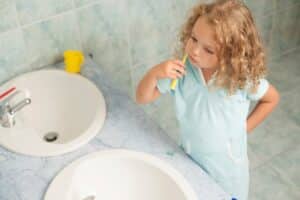
Starting good oral hygiene early is crucial for your child’s lifelong dental health. But for many parents, getting babies and toddlers to cooperate with brushing can feel like a constant struggle. Here’s a practical guide to make brushing easier and even fun for your 0-3-year-old.
1. Start Early to Build Habits
Even before your baby’s first tooth appears, you can help them get used to oral care. After every feeding, wrap a clean, damp cloth around your finger and gently wipe their gums. This not only establishes early oral hygiene habits but also helps prevent oral thrush, a common fungal infection in infants.
When teeth start coming in, start brushing with a soft, age-appropriate toothbrush. The earlier you start, the easier it is for your child to accept brushing as a normal part of their day.
Tip: Nighttime milk can harm teeth. Try to gradually reduce night feedings after the first year, and avoid letting your baby sleep with a bottle.
2. Make Brushing Part of the Daily Routine
Consistency is key. Brush your child’s teeth at the same time each day, ideally before bedtime. Try to brush a little earlier so the baby isn’t too tired, which increases cooperation.
Tip: Brushing twice a day is recommended. If it’s difficult, prioritize brushing before sleep to keep teeth clean overnight.
3. Use the Right Position and Tools
Many toddlers resist brushing because the position is uncomfortable or the toothbrush is too big. For 0-3-year-olds, try knee-to-knee or lying down positions for comfort and better visibility. Use soft, small-headed toothbrushes suited to their mouth size.
A comfortable position and the right tools make brushing more pleasant and effective.
4. Turn Brushing Into a Game
Make brushing fun by incorporating play:
- Count together: “Let’s brush each tooth 20 times!”
- Brush toys too: “Now let’s brush Teddy’s teeth!”
- Alternate: Let your child brush first, then you finish to ensure all teeth are clean
Tip: Even if your child brushes independently, parents should always finish the job for thorough cleaning.
5. Switch Roles to Boost Interest
If your child refuses, let them “brush” your teeth first. Praise their effort, then continue with brushing their own teeth. This role reversal can make the process more engaging and playful.
6. Use Favorite Characters or Stories
Children love stories and cartoons. Introduce brushing through favorite characters:
- “Let’s brush like Mickey Mouse!”
- Create mini-stories: “If we don’t brush, the sugar bugs will hide in your teeth!”
Tip: Use age-appropriate fluoride toothpaste, in a rice-sized amount for safety.
7. Offer Positive Rewards
Positive reinforcement encourages cooperation:
- Verbal praise: “Your teeth look so clean and shiny!”
- Sticker charts: Collect stickers for brushing, redeemable for a fun activity
Tip: Avoid sugary treats as rewards. Focus on praise and small non-food incentives.
8. Use Gentle Consequences if Necessary
If your child refuses, calmly remind them of the consequences. For example:
- “If you don’t brush, the sugar bugs will stay and hurt your teeth.”
- “We lose two stickers if brushing isn’t done tonight.”
Consistency is important. Children gradually learn that brushing is non-negotiable but still safe and fair.
Final Tips
Developing good brushing habits for 0-3-year-olds takes patience, creativity, and persistence. Every child is different, so be flexible and celebrate small successes. With time, brushing becomes a natural, stress-free part of daily life, benefiting your child for years to come.
FAQ
- How often should I brush my baby’s teeth?
Ideally twice a day, morning and night. At minimum, make sure teeth are cleaned before bedtime. - Can babies use toothpaste?
Yes, use a small, rice-sized amount of age-appropriate fluoride toothpaste. - What is the best way to hold my child for brushing?
Knee-to-knee or lying down positions provide comfort and good visibility for parents. - Can my child brush on their own?
Children under 3 may try, but parents should always finish brushing to ensure thorough cleaning. - How often should I replace a toothbrush?
Every three months, or sooner if bristles are frayed.