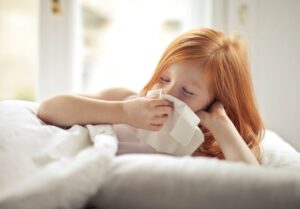
Does your child often sneeze, have a runny nose, or rub their itchy eyes? You might wonder if allergic rhinitis, or hay fever, can ever truly go away. The good news is that while there may not be a permanent “magic cure” for every child, allergic rhinitis can often be managed effectively, and many children do see symptoms improve as they grow.
What is Allergic Rhinitis?
Allergic rhinitis is when your child’s immune system overreacts to harmless substances like dust, pollen, or pet dander. The immune system releases chemicals, including histamine, which causes the classic symptoms:
- Sneezing
- Runny or blocked nose
- Itchy or watery eyes
- Fatigue or difficulty sleeping
These symptoms can appear seasonally or year-round, depending on the triggers.
Allergic rhinitis is very common in children, affecting millions worldwide. It can impact school performance, sleep quality, and overall quality of life if not addressed.

ClorRelief Antihistamine Throat Spray for Allergies – Chlorpheniramine 0.7 FL Oz
Why Allergic Rhinitis Happens
The main reason allergic rhinitis occurs is the immune system overreacting to allergens. Some children have a genetic predisposition — meaning if parents have allergies, their children are more likely to develop them. Environmental factors also play a role:
- Exposure to dust mites, pollen, or mold
- Secondhand smoke
- Pollution or poor indoor air quality
Sometimes, symptoms can worsen with colds or respiratory infections.
Can Allergic Rhinitis Be Healed?
Allergic rhinitis in children may not always completely disappear, but many children outgrow or significantly improve over time.
- Some children see seasonal allergies fade as they grow older.
- Year-round allergies can sometimes become milder with proper management.
- Early intervention, avoidance of triggers, and treatment can help reduce long-term effects.
Treatment Options
- Avoiding Allergens
- Keep the child’s room dust-free.
- Use air purifiers to reduce pollen and dust.
- Wash bedding regularly in hot water.
- Avoid pets if allergies are triggered by animals.
- Medications
- Antihistamines (like cetirizine or loratadine) reduce sneezing and itching.
- Nasal corticosteroid sprays help reduce inflammation and congestion.
- Decongestants may be used short-term for severe blockage.
- Immunotherapy (Allergy Shots or Sublingual Tablets)
- In some cases, allergy shots or oral tablets can train the immune system to tolerate allergens.
- This may reduce or even eliminate symptoms in the long term.
- Lifestyle Adjustments
- Keep windows closed during pollen season.
- Encourage children to wash hands and face after playing outside.
- Maintain a healthy diet and sleep schedule to support immunity.

PROGENA - Allergena Texas Trees for Kids (1 Fl Ounce)
Long-Term Outlook for Children
- Many children experience a natural reduction in symptoms as they age.
- Persistent or severe allergic rhinitis requires consistent care but can be controlled effectively.
- Untreated allergic rhinitis may lead to complications like sinus infections, ear infections, or asthma.
Case Example
Lucy, a 7-year-old, suffered from severe seasonal allergies. Her parents began using antihistamines and air purifiers at home. Over two years, Lucy’s symptoms became milder. By the age of 10, she only needed occasional medication, and springtime allergies were no longer a major issue.
FAQ
1. Can allergic rhinitis in children go away completely?
Some children outgrow it, especially seasonal allergies. Long-term management can also reduce symptoms significantly.
2. Are allergy medications safe for kids?
Most antihistamines and nasal sprays are safe when used as directed. Always check with a pediatrician.
3. What is the role of immunotherapy?
Immunotherapy can help retrain the immune system to tolerate allergens, potentially reducing or eliminating symptoms.
4. Can diet help with allergic rhinitis?
A healthy diet supports overall immunity but doesn’t cure allergies. Avoiding triggers is more effective.
5. When should I see a doctor?
See a pediatrician if your child’s allergies affect sleep, school, or daily activities, or if medications don’t help.