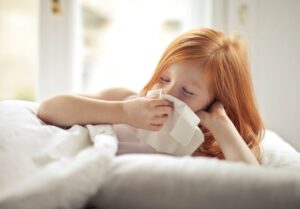
Kids sneeze and get runny noses all the time. As a parent, it can be hard to know what’s normal and what might need a doctor’s visit. Don’t worry! This guide will help you understand the common causes and what you can do to help.
Why Do Kids Sneeze So Much?
Sneezing is the body’s way of getting rid of things that shouldn’t be in the nose. It can be dust, pollen, or even a tiny bug. When the nose feels tickled or irritated, it tells the brain to make a big sneeze to push it out.
Kids sneeze more than adults because their bodies are still learning how to handle the world around them. Their immune systems are still growing.
Common Causes of Sneezing and Runny Nose
There are many reasons why a child might sneeze or have a runny nose. Some of the most common ones include:
1. Colds
Colds are the top reason kids get a runny nose. A cold is caused by a virus. Your child may also have a sore throat, cough, or feel tired.
Colds usually go away in 7–10 days. Rest, fluids, and lots of cuddles are the best medicine.
2. Allergies
If your child sneezes a lot but doesn’t have a fever, it might be allergies. This is called allergic rhinitis.
Common triggers include:
- Pollen (from trees, grass, or weeds)
- Dust mites
- Pet dander
- Mold
Allergy symptoms often happen during certain seasons or in dusty rooms. They can make your child’s nose itchy, eyes watery, and skin rashy.
3. Dry Air
Dry indoor air, especially in winter, can irritate your child’s nose. It might make their nose feel stuffy or runny.
A humidifier can help add moisture to the air and soothe their nose.
4. Irritants in the Air
Strong smells like perfume, smoke, or cleaning sprays can make your child sneeze. This is not an allergy, but it still bothers their nose.
Try to keep your home air fresh and free of strong odors.
5. Sinus Infections
Sometimes a cold turns into a sinus infection. Signs include thick yellow or green mucus, facial pain, or a stuffy nose that won’t go away.
If these symptoms last over 10 days, talk to your doctor.
6. Foreign Objects
Kids like to put things in their nose (like beads or food). If one nostril is always runny and smells bad, this could be the cause. A doctor will need to remove it.
When to See a Doctor
Not every sneeze needs a doctor, but here are signs you should call:
- Fever over 100.4°F that lasts more than 2 days
- Trouble breathing
- Thick yellow/green mucus for more than 10 days
- Ear pain or fussiness
- Runny nose with rash or swelling
- Your child is very tired or not eating/drinking well
Trust your gut. If something feels off, it’s okay to call your child’s doctor.
Home Remedies That Help
There are many safe and simple things you can try at home to help your child feel better:
- Use saline nose spray to help clean out the nose
- Run a cool-mist humidifier in their room at night
- Keep tissues nearby and teach them to gently blow their nose
- Give warm liquids like soup or tea to soothe the throat
- Offer extra cuddles and rest
Avoid giving cold medicine to kids under 6 without talking to a doctor. It’s usually not needed and might cause side effects.
Allergy Relief for Kids
If you think allergies are the cause, try these steps:
- Keep windows closed during high pollen seasons
- Wash hands and faces after playing outside
- Vacuum often and use dust-proof pillow covers
- Talk to your doctor about allergy medicine or testing
Antihistamines made for kids can help, but always follow the label or doctor’s advice.
Can Food Cause Sneezing?
Some kids may sneeze after eating certain foods. This is rare, but possible. It’s usually not a food allergy unless there are other symptoms like hives, belly pain, or swelling.
If you think food is the cause, talk to your doctor. Don’t try to remove major foods without help.
Keeping the House Sneeze-Free
Here are some tips to help keep your home cleaner and easier on your child’s nose:
- Don’t let anyone smoke inside
- Wash stuffed animals often
- Use allergy-friendly bedding
- Dust and vacuum weekly
- Keep pets out of the child’s bedroom
Kids and Seasonal Changes
Many kids get sniffly in spring and fall. This is often because of pollen or mold in the air. You can check local pollen counts online and plan indoor days when the air is high in allergens.
Also, make sure your child dresses for the weather. Cold air can irritate the nose too.
Helping Kids Build Stronger Immune Systems
While sneezing is normal, keeping your child’s immune system strong can help cut down on how often they get sick.
Try these simple steps:
- Offer fruits and veggies every day
- Make sure they sleep enough (10–12 hours for younger kids)
- Encourage hand washing before meals
- Let them play and move their bodies
- Keep up with regular doctor visits and shots
Final Thought: Sneezes Happen!
Sneezing and runny noses are just a part of growing up. Most of the time, they’re nothing to worry about. With a little care, comfort, and know-how, you can help your child feel better fast. And remember, you’re doing a great job!
FAQ
- Why is my child sneezing every morning?
This could be due to dust mites or allergies. Try using allergy-proof bedding and cleaning often. - Can a child have allergies without a fever?
Yes. Allergies usually don’t cause fever. If your child is sneezing, has watery eyes, but no fever, allergies might be the cause. - What color is a healthy runny nose?
Clear mucus is normal. Yellow or green can happen with a cold or infection. - When should I worry about a runny nose?
If it lasts more than 10 days, comes with a high fever, or your child seems very sick, call your doctor. - Is sneezing always a sign of sickness?
No. Sneezing can happen from dust, smells, or even bright light. It’s not always a sign of illness.