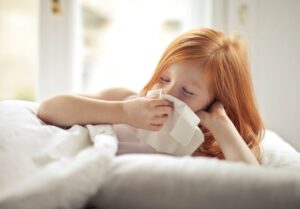
Rhinitis is a common condition in kids that can cause a runny nose, sneezing, and stuffy nose. If your child always seems to have the sniffles, rhinitis could be the reason. But don’t worry, it sounds more serious than it is. This guide will help you understand what rhinitis is and how to help your child feel better.
What Does Rhinitis Mean?
Rhinitis means the inside of the nose is swollen or irritated. This can happen for different reasons, like allergies or a cold. When this happens, the nose makes more mucus, and your child may start sneezing or feel stuffed up.
There are two main types of rhinitis:
- Allergic Rhinitis: This happens when the body reacts to things like pollen, dust, or pet dander.
- Non-Allergic Rhinitis: This is not caused by allergies. It can happen from strong smells, weather changes, smoke, or infections.
Signs and Symptoms of Rhinitis in Children
If your child has rhinitis, you might notice these signs:
- Runny nose
- Sneezing
- Stuffy nose
- Itchy nose or eyes
- Coughing
- Snoring or breathing through the mouth
Sometimes, kids with allergic rhinitis also have dark circles under their eyes, often called "allergic shiners."
What Causes Allergic Rhinitis?
Allergic rhinitis happens when the immune system thinks something harmless is a threat. The body releases chemicals like histamine to fight it off. This causes the swelling, sneezing, and mucus.
Common allergy triggers are:
- Pollen from trees, grass, or weeds
- Dust mites
- Pet dander
- Mold
- Smoke
Your child may have symptoms only in certain seasons (seasonal allergies) or all year round (perennial allergies).
What Causes Non-Allergic Rhinitis?
This type doesn’t involve the immune system. It can be triggered by:
- Cold air
- Dry weather
- Strong smells (like perfume)
- Smoke
- Spicy foods
- Viral infections like colds or the flu
Non-allergic rhinitis usually doesn’t cause itchy eyes or nose.
How Is Rhinitis Diagnosed?
A doctor will ask about your child’s symptoms and health history. They may also do a physical exam and look inside the nose. In some cases, allergy testing might be done to check for allergic rhinitis.
You can also keep a symptom diary. Write down when the symptoms happen, what your child was doing, and where they were. This helps spot triggers.
Simple Home Remedies for Rhinitis
There are things you can do at home to help your child feel better:
1. Use a saline nasal spray
This can clear out mucus and allergens from the nose.
2. Keep windows closed during pollen seasons
Limit outdoor play when pollen counts are high.
3. Use an air purifier
This can reduce dust and other allergens in the house.
4. Bathe pets regularly
If your child is allergic to pet dander, washing pets and keeping them out of the bedroom can help.
5. Wash bedding weekly
Hot water kills dust mites that can trigger allergic rhinitis.
6. Use a humidifier
Dry air can make symptoms worse. A cool-mist humidifier keeps the air moist.
Medical Treatment Options
If symptoms are bad, talk to your child’s doctor. They may recommend:
- Antihistamines: These reduce sneezing, runny nose, and itching.
- Nasal corticosteroids: These help with inflammation and stuffiness.
- Decongestants: These help with a blocked nose (for short-term use only).
- Allergy shots (immunotherapy): For long-term help with allergies.
Always use medicine as directed and talk to your doctor first, especially for young children.
Can Rhinitis Be Prevented?
You can’t always stop rhinitis, but you can reduce the chances of it happening by:
- Keeping your home clean and free from dust
- Watching the pollen count and staying indoors when it’s high
- Avoiding cigarette smoke around your child
- Using hypoallergenic pillows and mattress covers
Supporting Your Child Emotionally
Rhinitis may not seem like a big deal to adults, but it can affect your child’s sleep, mood, and schoolwork. Listen to them, comfort them, and let them rest when needed.
"To the world, you may be one person, but to your child, you are the world." — Dr. Seuss
Just being there for your child and showing you care goes a long way.
When to See a Doctor
Take your child to a doctor if:
- Symptoms last more than 10 days
- They have trouble sleeping or eating
- They have a fever along with a runny nose
- Over-the-counter medicine doesn’t help
Early care can help prevent problems like sinus infections or ear infections.
Final Thoughts
Rhinitis is common, but with a little care, it doesn’t have to slow your child down. Understanding the cause, avoiding triggers, and using simple remedies can make a big difference. Trust your gut and don’t be afraid to ask for help. You know your child best.
As the saying goes, "An ounce of prevention is worth a pound of cure." Your love and attention are the best medicine.
FAQ
- What is the main cause of rhinitis in children?
Most cases are caused by allergies (allergic rhinitis) or viruses (non-allergic rhinitis). - How can I tell if my child has allergic rhinitis or a cold?
Colds go away in about 7-10 days and often include a fever. Allergic rhinitis lasts longer and doesn’t come with a fever. - Can rhinitis go away on its own?
Sometimes, especially if it’s from a cold. Allergic rhinitis usually needs long-term care. - Is allergic rhinitis dangerous for kids?
It’s not dangerous but can affect sleep, school, and mood. Treatment helps a lot. - Can food allergies cause rhinitis?
Not usually. Food allergies more often cause stomach or skin problems, not nasal symptoms.