There is a funny thing about puberty: a girl can follow the same routine she has followed for years, and suddenly it does not seem to work anymore.
Maybe her hair looks oily by lunchtime. Her underarms smell after school. Her face has more pimples. She starts sweating more. Then her period arrives, bringing a whole new set of things to manage.
None of this means she has become “less clean.” Her body is changing. Puberty hormones affect the skin, sweat glands, hair, and reproductive system, so old childhood routines may need a few updates. The American Academy of Pediatrics notes that increased sweating, body odor, oily skin, acne, body hair, and menstruation are all common parts of puberty in girls.
For parents, the goal is not to create a perfect hygiene routine. It is to help a girl understand her changing body and gradually take responsibility for caring for it.
Start the Conversation Before There Is a Problem
Hygiene conversations are much easier when they happen before there is an embarrassing moment.
It can be uncomfortable to tell a daughter that her shirt smells after PE or that she needs to wash her hair more often. If the first conversation happens only after someone comments about her body odor, she may hear the message as criticism rather than helpful advice.
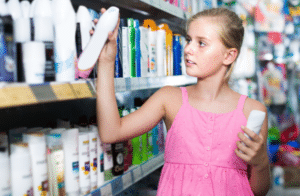
Puberty gives parents many natural opportunities to talk. A new deodorant can lead to a conversation about sweating. Buying a first bra can open the door to talking about body changes. Shopping for period products is a chance to talk about menstrual hygiene.
The American Academy of Pediatrics recommends talking openly about puberty and preparing girls for changes before they happen.
The tone matters. “Your body is changing, so some things need to change too” sounds very different from “You need to take better care of yourself.”
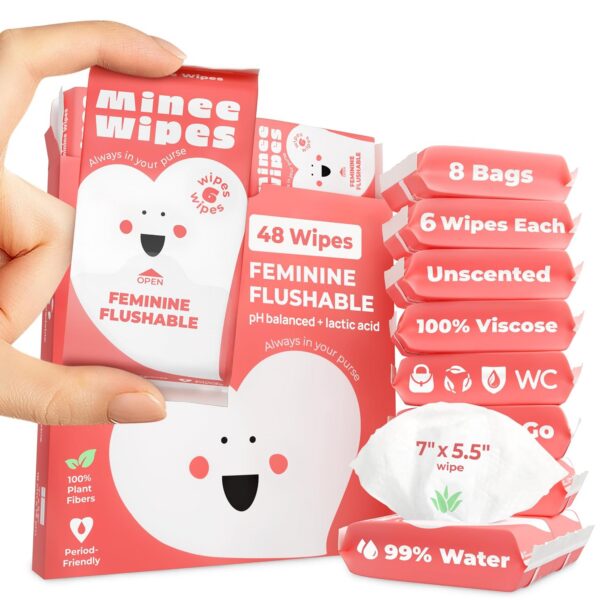
Feminine Wipes for Women – Flushable pH Balanced Wipes, 99% Water & Aloe – Unscented, Gentle Intimate & Period Care with Odor Protection
Showering: How Often Does a Teen Girl Need to Shower?
Once puberty begins, many girls need to shower more often than they did as younger children. A daily shower is reasonable for many teens, especially if they play sports, exercise, sweat heavily, or have noticeable body odor. The American Academy of Pediatrics suggests daily or every-other-day showers once body odor begins, with more frequent showers when a child is very active.
The shower does not need to be complicated. The important areas are the armpits, groin area, feet, and other places that become sweaty. Soap and water help remove sweat, oil, and odor-causing bacteria.
There is also no prize for taking a 30-minute shower and scrubbing the skin until it is red. Too much washing or harsh products can irritate the skin. Clean and gentle is usually enough.
Body Odor Is a Normal Part of Puberty
Body odor is often one of the first changes parents notice.
During puberty, certain sweat glands become more active. The sweat and oils produced in these areas interact with bacteria on the skin, creating the stronger smell associated with puberty. Body odor commonly begins around ages 8 or 9, although the timing varies.
A girl should not be made to feel embarrassed about this. It is a normal body process. What she needs is a simple plan: shower regularly, wash the underarms and feet, wear clean clothes, change after sports, and use deodorant or antiperspirant if needed.
Parents may need to remind her at first. But eventually, recognizing body odor and taking care of it should become her responsibility.
Does a Teen Girl Need Deodorant?
There is no exact age when every girl needs deodorant. If body odor has started, deodorant or antiperspirant can be useful.
Deodorant mainly helps control or mask odor. Antiperspirant reduces sweating. Some products do both. The American Academy of Pediatrics also notes that fragrance-free or sensitive-skin products can be a better choice for girls whose skin becomes irritated easily.
There is no need to choose the strongest-smelling product on the shelf. A clean body with a mild deodorant is usually much better than trying to cover sweat with lots of perfume or body spray.
What About Underarm Hair?
Underarm and pubic hair are normal parts of puberty. Whether a girl removes that hair is largely a personal choice. There is no medical requirement to shave underarms or legs.
Some girls want to shave because their friends do. Others do not care. Neither choice is a hygiene failure.
If a girl decides to shave, she should know the basics. Wet the skin first, use shaving cream or gel, use light pressure, and avoid sharing razors. A dull razor can cause more irritation and tiny cuts.
This is one area where parents can easily turn a personal preference into a rule. It does not need to be that way.
Menstrual Hygiene: Preparing for a First Period
A first period can be stressful if a girl has no idea what to expect. It can also feel completely ordinary when she has already talked about it at home.
Most girls get their first period around the early teen years, but there is a wide range of normal. Periods may also be irregular during the first few years.
Before the first period, it helps to show a girl where pads or other menstrual products are kept and explain how they work. Keeping a small emergency supply in her backpack or school locker can also reduce anxiety about being caught unprepared. The AAP specifically recommends preparing girls ahead of time because a first period can happen unexpectedly.
The bigger message is just as important: a period is not dirty.
How Should Teen Girls Manage Period Hygiene?
Menstrual products should be changed according to the product instructions and the type of product being used.
For tampons, the AAP recommends changing them every 4 to 8 hours and using the lowest absorbency needed. Tampons should only be used during a period. Menstrual cups should also be cleaned and cared for according to their instructions.
Pads and period underwear are other options. There is no single “best” product for every girl. Comfort, flow, activity level, age, and personal preference all matter.
A girl can also shower, swim, exercise, and attend school while having her period. Menstruation does not mean she needs to stop normal activities.
Genital Hygiene Does Not Mean Using Feminine Wash
This is an important one, especially now that teenagers see so many personal-care products online.
The outside genital area can be gently washed as part of normal bathing. The vagina itself does not need to be scrubbed, perfumed, or “deep cleaned.”
Strongly scented washes, sprays, wipes, and douches can irritate sensitive skin. A natural body smell in this area is not automatically a hygiene problem.
If there is a sudden strong odor along with unusual discharge, itching, burning, pain, sores, or other symptoms, that is different. A healthcare professional should evaluate those symptoms rather than trying to cover them with scented products.
Teen Skin Needs Less, Not More
Puberty often brings oily skin and acne. That can tempt teenagers into buying every skincare product they see online.
Ten-step routines may look impressive on social media, but young skin usually does not need a bathroom shelf full of products. The American Academy of Dermatology recommends keeping teen skincare simple and age-appropriate. A gentle cleanser, moisturizer when needed, and daily sun protection are a much better starting point than constantly changing products.
Scrubbing harder does not make acne disappear. In fact, irritating the skin can make breakouts worse. Acne develops when pores become clogged, and hormones during puberty can increase oil production.
If acne becomes painful, severe, leaves scars or dark marks, or does not improve with simple care, a dermatologist can help.
A Simple Teen Skincare Routine
For many girls, a basic routine is enough:
Morning
- Gently cleanse the face.
- Use a light moisturizer if needed.
- Apply broad-spectrum SPF 30 or higher sunscreen when going outdoors.
Evening
- Remove makeup or sunscreen.
- Gently wash the face.
- Use moisturizer if the skin feels dry.
The American Academy of Dermatology recommends broad-spectrum, water-resistant SPF 30 or higher sunscreen and suggests non-comedogenic products for acne-prone skin.
If acne needs treatment, products containing ingredients such as benzoyl peroxide or salicylic acid may be useful for some teens. However, these products can cause dryness or irritation, so a teen does not need to start using several acne treatments at once.
Hair Hygiene Can Change During Puberty
A girl's hair may become oilier during puberty because the skin's oil production changes.
That means a childhood routine of washing hair once or twice a week may no longer feel comfortable. Some girls may need to shampoo more often, while others with dry or curly hair may need less frequent washing.
There is no universal schedule. Look at the scalp rather than the calendar. If the scalp is oily, sweaty, itchy, or has noticeable buildup, the routine may need adjusting.
It is also worth washing after activities that leave the scalp very sweaty. A clean scalp does not require expensive shampoo or a long list of hair products.
Oral Hygiene Still Matters During the Teen Years
Teens sometimes become surprisingly independent about brushing their teeth. Unfortunately, independence does not always mean consistency!
A teenager should brush twice a day with fluoride toothpaste and clean between the teeth regularly. The CDC also recommends limiting foods and drinks high in added sugar and having routine dental care.
Braces make oral hygiene even more important. Food can easily collect around brackets and wires, so brushing and cleaning between teeth may take more time.
A useful parenting trick is to stop treating tooth brushing like a little child's chore. It is now part of adult self-care. The more responsibility a teenager takes for it, the better.
Clean Clothes Are Part of Hygiene Too
A shower cannot completely solve body odor if a teen puts on yesterday's sweaty shirt afterward.
Clean underwear and socks should be worn each day. Sports clothes should be changed after exercise rather than sitting in a backpack all afternoon. Bras and other clothing items should also be washed according to their care instructions.
Shoes deserve attention too. Feet sweat, and warm shoes can hold moisture and odor. Wearing clean socks and allowing shoes to dry between uses can help.
These sound like tiny details, but they are often where real-life hygiene problems happen.
Handwashing Still Counts
Teenagers may think handwashing is a preschool habit. It is not.
Hands can pick up germs from bathrooms, phones, door handles, sports equipment, public transportation, and many other surfaces. Regular handwashing with soap and water is one of the simplest ways to reduce the spread of infections.
The AAP recommends washing hands before eating and after using the bathroom as part of good personal hygiene.
Hand sanitizer can be useful when soap and water are not available, but it does not need to become another complicated part of a teenager's routine.
Sleep Is Part of Self-Care Too
Hygiene is not only about soap and shampoo.
Teenagers need enough sleep for their bodies and brains to function well. The CDC notes that adolescents ages 13 to 18 generally need 8 to 10 hours of sleep each day.
That can be hard with homework, activities, phones, friends, and early school mornings. Still, sleep deserves a place in the conversation about taking care of the body.
A teen who stays up very late scrolling and then struggles through school the next day is not really practicing healthy self-care, even if her skincare routine is perfect.
Do Teen Girls Need a Huge Hygiene Routine?
No.
This may be the most useful thing for parents to remember.
Teenagers are surrounded by advertisements suggesting they need special washes, scrubs, masks, sprays, serums, hair treatments, supplements, and other products to become clean or attractive.
Most girls do not need all of that.
A healthy basic routine can be surprisingly short:
- Shower regularly.
- Wash sweaty areas.
- Use deodorant if needed.
- Wear clean underwear, socks, and clothes.
- Care for menstrual products properly.
- Brush teeth twice a day.
- Wash the face gently.
- Use sunscreen.
- Wash hands regularly.
- Get enough sleep.
- Change after sports or heavy sweating.
That is already a lot of healthy self-care.
What Parents Should Avoid Saying
Even well-meaning parents can accidentally make hygiene feel like shame.
Comments such as “You smell terrible,” “Your skin looks awful,” or “Why can't you take care of yourself?” may get a teenager into the shower, but they can also make her feel embarrassed about her body.
A better approach is specific and calm.
Instead of saying, “You smell,” try: “Your body is sweating more now that you're going through puberty. A shower and deodorant can help.”
Instead of, “Your face is breaking out again,” try: “Your skin is changing. Let's make sure the products you're using aren't irritating it.”
The difference may seem small. To a teenager, it is not.
When Should Parents Talk to a Doctor?
Most puberty-related hygiene changes are normal. Still, some signs deserve medical attention.
Talk with a pediatrician if:
- Puberty changes begin before age 8.
- A girl has very heavy or prolonged periods.
- Period pain regularly causes her to miss school or normal activities.
- She has gone more than 3 months without a period after previously having periods.
- There is unusual genital discharge, odor, pain, itching, or burning.
- Sweating is extreme and interferes with school or social life.
- Acne is severe, painful, scarring, or not improving.
- A skin or hair problem continues despite basic care.
The AAP recommends evaluation when puberty signs begin before age 8 in girls. It also advises medical attention for menstrual problems such as very heavy bleeding, significant pain, or prolonged gaps between periods.
The Real Goal Is Independence
Good hygiene is not about making a teenager smell like perfume or look perfect every morning.
It is about helping her understand her body well enough to care for it without constant supervision.
At first, parents may need to buy the products, explain how to use them, remind her to pack period supplies, or show her how to shave safely. That is normal. But gradually, those jobs should become hers.
There will be forgotten showers. There will be a gym shirt left in a backpack for three days. There will probably be a morning when she realizes she forgot deodorant five minutes before leaving for school!
That is part of growing up, too.
The most useful hygiene routine is not the most complicated one. It is the one a teenage girl understands, can manage herself, and can keep doing even when nobody is reminding her.
FAQ
What is a simple skincare routine for teen girls?
A gentle cleanser, moisturizer when needed, and broad-spectrum SPF 30 or higher sunscreen are a good basic routine. Acne treatment can be added when needed rather than using many products at once.
How can teen girls prevent body odor?
Regular showers, washing the underarms and feet, using deodorant or antiperspirant, wearing clean clothes and socks, and changing after sports can all help manage body odor.
How often should teenage girls brush their teeth?
Teens should brush their teeth at least twice a day with fluoride toothpaste and clean between their teeth regularly. Routine dental care is also important.
What should a girl keep in her school bag for hygiene?
A small personal-care pouch can be useful. It might include menstrual products, tissues, hand sanitizer, deodorant, lip balm, and an extra pair of underwear if needed. The exact items depend on the girl's age and needs.
When should a parent worry about a girl's hygiene?
The hygiene itself is usually not the main concern. Parents should pay more attention when there are persistent symptoms such as unusual discharge, severe acne, excessive sweating, significant menstrual problems, or puberty changes that begin unusually early.