Why Do Teen Girls Start Having Body Odor?
Body odor often appears around the time puberty begins. For many girls, puberty starts between ages 8 and 13, although every child develops on a different schedule. New body odor can be one of the early signs that the body is changing.
This can be confusing for a girl who never had much of a smell before. She may shower the same way she always has and still notice a difference. That is because puberty changes the way certain sweat glands work. The apocrine glands around areas such as the armpits and groin become more active. The sweat itself is not necessarily the problem. Bacteria on the skin break down substances in the sweat, and that creates the familiar body odor.
So when a teenager suddenly starts smelling different, it does not automatically mean she has poor hygiene. Her body is simply doing something new.
Body Odor Is Not a Sign That a Girl Is Dirty
This is an important message for parents to get right.
Body odor can be embarrassing, especially for a girl who is already becoming more aware of how other people see her. A comment such as “You stink” may seem harmless to an adult, but it can stay with a teenager for a long time. She may become afraid to raise her arms, worry about sitting close to friends, or feel ashamed whenever she sweats.
A better approach is to treat body odor like any other puberty change. Hair grows in new places. Skin becomes oilier. Periods begin. Sweat and body odor change too. None of these things mean that something is wrong.
The practical message is simple: “Your body is changing, and there are easy ways to take care of it.”
That small change in wording can make the whole conversation feel less embarrassing.
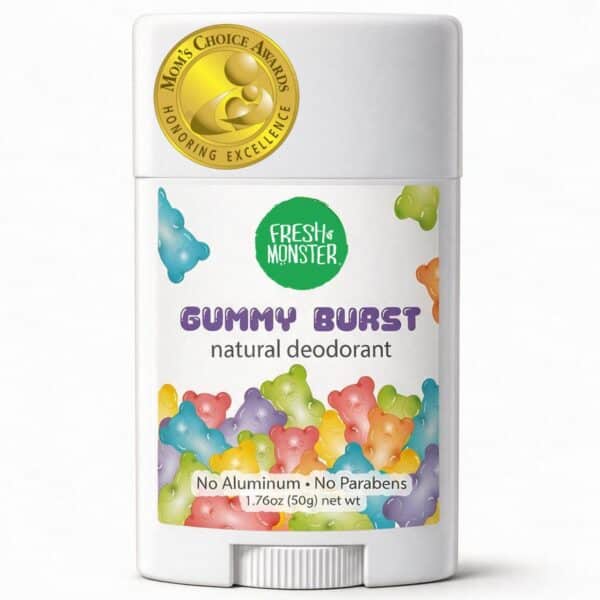
Fresh Monster Kids Natural Deodorant, Gummy Burst, 1.76 oz
When Does Body Odor Usually Start?
There is no single age when every girl starts to smell different. Some girls notice body odor around 8 or 9. Others do not notice much until the later elementary or middle school years. The American Academy of Pediatrics notes that body odor can begin as early as 8 or 9 as puberty gets underway.
Body odor can also appear before other obvious puberty changes. Some younger girls may develop underarm odor or pubic hair because of a normal hormonal change called adrenarche. This does not always mean that full puberty has started.
What matters is the bigger picture. If body odor or other puberty signs appear unusually early, a pediatrician can check whether anything needs attention.
What Causes Strong Body Odor in Teen Girls?
Several things can make body odor more noticeable.
Puberty hormones are a major reason. As hormone levels change, certain sweat glands become more active. The sweat interacts with bacteria on the skin and produces odor.
Exercise and sports can make it stronger too. A girl who has soccer practice, dance class, PE, or another workout may sweat much more than she does during a normal school day. Staying in sweaty clothes for hours can make the smell linger.
Feet and shoes can also become a problem. Feet have many sweat glands, and warm, damp shoes create a good environment for odor. This is why underarm odor is not the only body odor parents may notice during puberty.
Stress can play a role as well. Teenagers may sweat more when they are nervous, excited, or under pressure. Sweating itself is a normal body response, but more sweat can sometimes mean more noticeable odor.
How Often Should a Teen Girl Shower?
Once puberty begins, daily showering is generally a reasonable routine, especially when body odor has started. The American Academy of Dermatology recommends that tweens and teens shower or bathe daily and shower after sports, swimming, or heavy sweating.
The important part is not taking an extremely long shower. A simple routine works well. Wash the armpits, groin area, feet, and other sweaty areas with soap and water. Shampoo the scalp regularly too, especially if the hair becomes oily or sweaty.
There is no need to scrub the skin aggressively. In fact, scrubbing too hard can irritate the skin and make some skin problems worse. Clean does not have to mean squeaky, dry, or heavily scented.
The Armpits Need Extra Attention
The armpits are one of the main places where puberty-related body odor develops. They contain apocrine glands that become more active during puberty. Hair in the area can also hold sweat and odor close to the skin.
During a shower, gently washing the armpits with soap and water is usually enough to remove sweat, oils, and odor-causing bacteria. Afterward, the area should be dried well before putting on clothes or deodorant.
This is also a good time to teach a teen girl that hygiene does not mean covering every natural smell with a huge amount of fragrance. Clean skin plus an appropriate deodorant is usually much more comfortable than trying to smell like perfume all day.
Does a Teen Girl Need Deodorant?
There is no magic age when a girl is “supposed” to start using deodorant. If body odor has started and she wants help controlling it, deodorant can be part of her normal hygiene routine. Nemours KidsHealth notes that there is no fixed age for starting deodorant.
Some girls may use deodorant at the beginning of puberty, while others may not need it right away. The important thing is to choose a product that works for her and does not irritate her skin.
This can actually be a useful step toward independence. Instead of a parent constantly reminding her that she smells, she can learn to notice when she is sweaty, shower, put on clean clothes, and use deodorant herself.
That is a much healthier long-term habit.
Deodorant vs. Antiperspirant: What Is the Difference?
These two products are often treated as if they are the same, but they do different jobs.
Deodorant mainly helps control or mask body odor. It does not necessarily stop sweating.
Antiperspirant is designed to reduce sweating. Many antiperspirants contain aluminum-based ingredients that temporarily reduce the amount of sweat reaching the skin. Some products combine deodorant and antiperspirant in one.
A girl who has normal sweating but noticeable odor may be perfectly comfortable with deodorant. Another girl who gets very sweaty during the school day may prefer an antiperspirant.
There is no need to make the choice more complicated than it needs to be. Read the label and follow the directions.
What If Deodorant Makes Her Skin Itchy?
This happens sometimes. Fragrance, certain ingredients, or simply sensitive skin can cause irritation.
If the underarm becomes red, itchy, burning, or uncomfortable after using a product, stop using it. A fragrance-free or sensitive-skin product may be a better choice. The American Academy of Pediatrics specifically suggests looking for products labeled fragrance-free, hypoallergenic, or designed for sensitive skin when irritation is a concern.
There is also no rule that a teenager needs a strongly scented deodorant. Unscented products are completely fine. In fact, some girls prefer them because they do not mix with perfume, shampoo, or other scents.
What About “Natural” Deodorants?
The word “natural” can make a product sound safer, but the label alone does not tell the whole story. Different deodorants use different ingredients, and even a product marketed as natural can irritate sensitive skin.
The best product is usually the one that controls odor, feels comfortable, and does not cause a rash. Nemours KidsHealth notes that “natural” deodorants are not automatically healthier than regular deodorants.
For a teenager with sensitive skin, simple may be better. There is no need to buy a complicated product just because the packaging looks more grown-up.
Clean Clothes Matter More Than Many Teens Realize
Sometimes a girl showers every day but still has body odor. The problem may not be her skin. It may be her clothes.
A shirt that was worn during PE and then thrown onto a bedroom chair can still contain sweat and odor. Putting it back on the next morning may bring the smell right back.
Clean underwear, socks, and clothes can make a noticeable difference. After sports or heavy exercise, changing out of sweaty clothing is especially helpful. Breathable fabrics can also make it easier for sweat to evaporate.
And do not forget the laundry basket. A teenager may be perfectly clean after a shower but then put on yesterday's sweaty sports bra or shirt. That defeats the whole process!
Do Shoes Cause Body Odor?
They can.
Feet sweat, and shoes can trap heat and moisture. If the same pair of shoes is worn every day, especially without clean socks, odor can build up.
Simple habits can help:
- Wear clean socks each day.
- Choose socks that help manage moisture.
- Let shoes dry between uses when possible.
- Change socks after heavy exercise if needed.
- Wash feet regularly.
- Avoid wearing damp shoes for long periods.
The American Academy of Pediatrics specifically recommends socks and breathable clothing as part of managing body odor.
What About Body Odor “Down There”?
This is an area where teenagers can become especially worried.
Normal vaginal discharge and the natural genital area can have a mild smell. That does not mean a girl is dirty. The vagina does not need to smell like flowers, and strong perfumes, douches, or scented products are not necessary for normal hygiene. Nemours KidsHealth notes that girls generally do not need products such as douches to make the vagina “cleaner” or fresher.
The outside genital area can be gently washed as part of normal bathing. Strongly scented products should not be used on sensitive genital skin.
If there is a sudden strong or unusual odor along with itching, pain, burning, unusual discharge, sores, or other symptoms, that is different from ordinary puberty body odor and should be discussed with a healthcare professional.
Should Teen Girls Use Body Spray?
Body spray can make a teenager smell nice, but it does not replace bathing or deodorant.
Some scented sprays simply cover odor for a short time. They do not necessarily reduce sweating or remove the bacteria and sweat that cause the smell. The AAP points out that some scented body sprays are mainly fragrance rather than true deodorants or antiperspirants.
Too much fragrance can also become uncomfortable, especially in a classroom, car, or other small space. A little is plenty.
A useful rule for teenagers is: clean first, deodorant second, fragrance only if wanted.
Can Diet Cause Body Odor?
Food can sometimes influence the way sweat or body odor smells, but diet is rarely the first thing to blame when a teen girl develops ordinary puberty-related body odor.
There is usually no reason to put a teenager on a restrictive diet simply because she smells sweaty after school. Puberty, sweat, bacteria, clothing, sports, and hygiene habits are much more obvious factors.
A balanced diet is still important for overall growth and health, but body odor is not a good reason to start cutting out large groups of foods without medical advice.
When Body Odor Becomes a Social Problem
Sometimes the biggest problem is not the smell itself. It is the embarrassment.
A teen girl may worry that classmates are noticing. She might stop raising her hand, avoid changing clothes around other girls, or become extremely anxious about sitting next to someone.
Parents should take those feelings seriously without making the odor sound like a crisis.
Instead of saying, “Everyone can smell you,” try something more practical: “Puberty can make sweat smell stronger. Let's find a routine that works for you.”
That keeps the focus on solving the problem rather than making the girl feel like the problem.
Parents Should Teach, Then Step Back
Body odor is one of those parenting topics where too many reminders can backfire.
A parent may notice the smell before the teenager does. It is tempting to say, “Did you shower?” every morning. But after a while, the teenager may stop hearing the useful part and only hear criticism.
A better approach is to teach the routine clearly:
- Shower or bathe regularly.
- Wash sweaty areas with soap and water.
- Dry the skin well.
- Use deodorant or antiperspirant if needed.
- Put on clean underwear, socks, and clothes.
- Change after sports or heavy sweating.
- Keep shoes and sports clothing reasonably fresh.
Once the routine is understood, give her some ownership. Puberty is also a time when children gradually take responsibility for caring for their own bodies.
When Should Parents Talk to a Doctor?
Most teen body odor is completely normal. Still, there are times when it is worth checking with a pediatrician.
Talk with a healthcare professional if:
- Sweating is extreme or happens even when the body does not seem to need cooling.
- Body odor is suddenly very different or unusually strong.
- Sweating or odor is interfering with school, friendships, sleep, or emotional well-being.
- A girl has other unusual symptoms along with the odor.
- Body odor begins before about age 8 in a girl.
- There are other signs of puberty at an unusually young age.
The American Academy of Pediatrics recommends discussing body odor that starts before age 8, especially when other puberty changes are present.
It is also worth remembering that excessive sweating, called hyperhidrosis, is a real medical condition. It can affect the underarms, hands, feet, head, or other areas and may contribute to body odor. Treatment is available when needed.
The Bigger Lesson: Body Odor Is Part of Growing Up
Teen girls do not need to feel ashamed of body odor. It is one of those slightly awkward signs that the body is moving into a new stage.
What matters is helping a girl understand what is happening without making her feel embarrassed about being human.
A shower, clean clothes, fresh socks, and the right deodorant can solve most everyday problems. Sometimes it takes a little experimenting to find the right product or routine. That is normal too.
And perhaps the most useful message is this: good hygiene is about caring for the body, not hiding the body. A teenager does not need to smell like perfume to be clean. She simply needs a routine that keeps her comfortable, healthy, and confident as she grows.
FAQ
Why do teen girls suddenly start smelling?
Puberty changes the activity of certain sweat glands. Sweat mixes with bacteria on the skin, which creates stronger body odor. This is a normal part of growing up.
What age do girls start getting body odor?
Body odor can start as early as age 8 or 9 as puberty begins, although there is a wide range of normal. Some girls notice it later.
How can a teen girl prevent body odor?
Regular showering, washing the armpits and other sweaty areas, using deodorant or antiperspirant when needed, wearing clean clothes and socks, and changing after sports can all help reduce body odor.
Should a teenage girl use deodorant every day?
She can use deodorant daily if she has body odor and finds it helpful. There is no fixed age for starting deodorant. The product should be used according to its label and should not irritate the skin.
Is deodorant or antiperspirant better for teen girls?
It depends on the problem. Deodorant mainly helps control odor, while antiperspirant helps reduce sweating. Some products do both.