Few things make parents worry faster than hearing the words “head lice” from a school notice. Many families immediately imagine endless cleaning, uncomfortable treatments, and the fear that lice will spread through the whole house.
But head lice are actually a common childhood problem. They are not a sign that a child is dirty or that a family has poor hygiene. Lice can affect children from all backgrounds because they spread mainly through close contact, especially when children play together, share spaces, or put their heads close during activities.
School years are a time when children spend many hours around other children. They hug friends, take photos together, share headphones, play sports, and sit close during classroom activities. These normal childhood behaviors can sometimes create opportunities for head lice to move from one person to another.
The good news is that simple habits can lower the chance of getting head lice. Prevention does not require extreme cleaning or making children afraid of playing with friends. The goal is helping children understand healthy habits while keeping daily life normal.
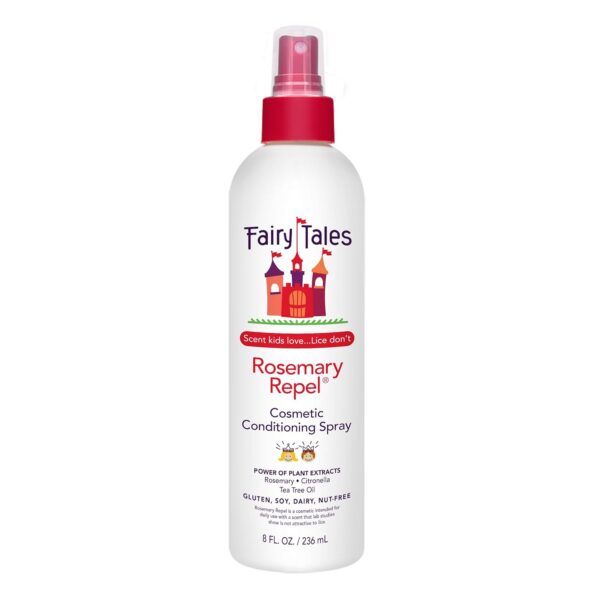
Fairy Tales Rosemary Repel Daily Kids Conditioning Spray – Kids Like the Smell, Lice Do Not, 8 fl oz. (Pack of 1)
What Are Head Lice?
Head lice are tiny insects that live on the scalp and feed on small amounts of blood. They are very small, often about the size of a sesame seed, and they can be difficult to see.
Female lice attach their eggs, called nits, close to the hair roots. These eggs stick firmly to the hair and do not fall off easily like dandruff.
Common signs of head lice include:
- Itchy scalp
- Feeling like something is moving in the hair
- Scratching the head often
- Small red bumps on the scalp or neck
- Seeing tiny insects or eggs attached to hair
The itching happens because the body reacts to lice bites. Some children may feel itchy right away, while others may not notice symptoms for several weeks.
One important thing for parents to know is that head lice do not jump or fly. They crawl. Most spread happens through direct head-to-head contact.
How Do Kids Get Head Lice?
Many people think lice spread because of dirty hair, but that is not true. Lice actually prefer clean or dirty hair equally. They are simply looking for a place to live and feed.
The most common way children get lice is through direct contact.
Examples include:
- Playing closely with friends
- Sharing a pillow during a sleepover
- Taking selfies with heads touching
- Sitting close during classroom activities
- Contact during sports or games
Lice can occasionally spread through shared items, although this is less common.
Possible shared items include:
- Hats
- Hair brushes
- Hair accessories
- Headphones
- Scarves
- Bedding
However, spending too much time cleaning every item in the house is usually unnecessary. Since lice survive only a short time away from the human scalp, the biggest focus should be preventing direct contact and checking children’s hair when needed.
Teach Children Not to Share Personal Hair Items
One of the easiest prevention steps is teaching children that some personal items should stay personal.
Children naturally like sharing. A friend may ask to borrow a hat or try a different hair clip. While sharing is usually a positive behavior, certain items are better kept separate.
Encourage children not to share:
- Combs and brushes
- Hair ties
- Hats
- Helmets
- Headphones
- Pillows
This does not need to become a scary rule. A simple explanation works well:
“Some things are just better kept personal, like toothbrushes and hair brushes.”
Children usually understand when the reason is explained.
Check Your Child’s Hair Regularly
Regular hair checks can help find lice early before they become a bigger problem.
Parents do not need to check every day. Weekly checks can be helpful, especially during school outbreaks or after a child has close contact with someone who has lice.
When checking:
- Sit in a bright area.
- Separate the hair into small sections.
- Look near the scalp, especially behind the ears and around the neck.
- Look for tiny insects or firmly attached eggs.
Nits can sometimes be confused with dandruff. A simple difference is that dandruff flakes usually move easily, while lice eggs stick tightly to the hair.
Children with thick or long hair may need more careful checking because lice can hide more easily.
Keep Long Hair Tied Back
Long hair is not more likely to get lice because it is dirty. However, longer hair can make it easier for lice to move during close contact.
For children with long hair, simple hairstyles may help reduce contact.
Options include:
- Ponytails
- Braids
- Buns
This is especially helpful during activities where children are close together, such as:
- School events
- Sports
- Camps
- Sleepovers
Tying hair back is not a guarantee against lice, but it can be one small protective habit.
Talk About Head Lice Without Creating Shame
This part is often overlooked.
Children may feel embarrassed if they get lice. Some worry classmates will think they are dirty or different. That fear can make them hide symptoms and avoid asking for help.
Parents and teachers can change this by using calm language.
Head lice are:
- Common
- Treatable
- Not caused by being dirty
- Not something to feel ashamed about
A child with lice needs support, not blame.
When children know they can talk openly, problems are usually found and treated earlier.
What Should Parents Do During a School Lice Outbreak?
When a school sends a lice notice, many parents immediately start washing everything in the house. While cleaning certain items can be helpful, extreme measures are usually not needed.
Helpful steps include:
- Check your child’s hair carefully
- Avoid sharing personal items
- Wash recently used bedding and clothing
- Follow treatment instructions if lice are found
There is no need to throw away furniture, carpets, or toys. Lice do not survive long without a human host.
The most important step is checking whether lice are actually present. Treating a child “just in case” is not always recommended because unnecessary treatment may not help and can irritate the scalp.
Natural Head Lice Prevention Methods: What Parents Should Know
Many products claim to prevent lice using essential oils or special ingredients. Some families choose these products because they prefer natural options.
However, parents should be careful. Not all products have strong evidence showing they prevent lice. Essential oils can also cause skin irritation in some children.
Safer prevention habits remain the most reliable:
- Avoid head-to-head contact when possible
- Do not share hair items
- Check hair regularly
- Treat lice properly if found
Simple habits usually matter more than expensive products.
What If Your Child Gets Head Lice?
Even with good prevention habits, children can still get lice. It happens.
The first step is staying calm. Lice are uncomfortable, but they are treatable.
Parents can:
- Confirm that lice are present
- Use an appropriate treatment recommended for children
- Follow instructions carefully
- Check other family members
Many treatments require a second application because some lice eggs may survive the first treatment.
A fine-tooth lice comb can also help remove lice and eggs from the hair.
If treatment does not work or if the child is very young, consulting a healthcare provider can provide guidance.
Common Mistakes Parents Make About Head Lice
Mistake 1: Blaming Poor Hygiene
Lice are not caused by being dirty. Blaming children can create unnecessary shame.
Mistake 2: Cleaning the Entire House Excessively
Most attention should go to the child’s hair and items that recently touched the head.
Mistake 3: Using Too Many Treatments
Using multiple products at the same time can irritate the scalp. Follow instructions carefully.
Mistake 4: Ignoring the Problem Because of Embarrassment
Waiting too long can allow lice to spread. Early action is usually easier.
FAQ
How can parents prevent head lice in children?
Parents can reduce the risk by teaching children not to share personal hair items, checking hair regularly, and encouraging healthy habits during school and group activities.
Do head lice mean a child is dirty?
No. Head lice can happen to anyone. They are spread mainly through close contact, not poor hygiene.
Can head lice fly or jump?
No. Head lice cannot fly or jump. They crawl from one person to another, usually through direct head-to-head contact.
Should children avoid playing with friends to prevent lice?
No. Children do not need to avoid normal play. Simple habits, such as avoiding shared hats and brushes, are usually enough.
How often should parents check for head lice?
Weekly checks can be helpful, especially during school outbreaks or when there has been known exposure.
Can washing hair every day prevent lice?
No. Frequent hair washing does not prevent lice. Lice can live on clean or unclean hair.
How long can lice live away from the scalp?
Head lice usually survive only a short time away from the human scalp because they need blood to survive.