Summer is a wonderful time for children. They can play outside, swim, ride bikes, and enjoy family activities. But hot weather can also bring health risks. One of the most common summer dangers is heat exhaustion.
Children are more likely than adults to develop heat-related illnesses. Their bodies do not cool down as efficiently, and they may not notice when they are getting too hot. Some children are also so focused on playing that they forget to drink water or take breaks.
Heat exhaustion happens when the body becomes too hot and loses too much water and salt through sweating. If it is not treated quickly, it can become heat stroke, which is a medical emergency.
Knowing the warning signs can help parents act early and keep their children safe.
What Is Heat Exhaustion?
Heat exhaustion is a heat-related illness that develops when the body struggles to stay cool. It usually happens after long periods of physical activity in hot or humid weather.
A child with heat exhaustion may feel weak, dizzy, tired, or sick. The good news is that heat exhaustion can often be treated quickly if parents recognize the symptoms early.
The key is to notice the warning signs before the condition becomes more serious.
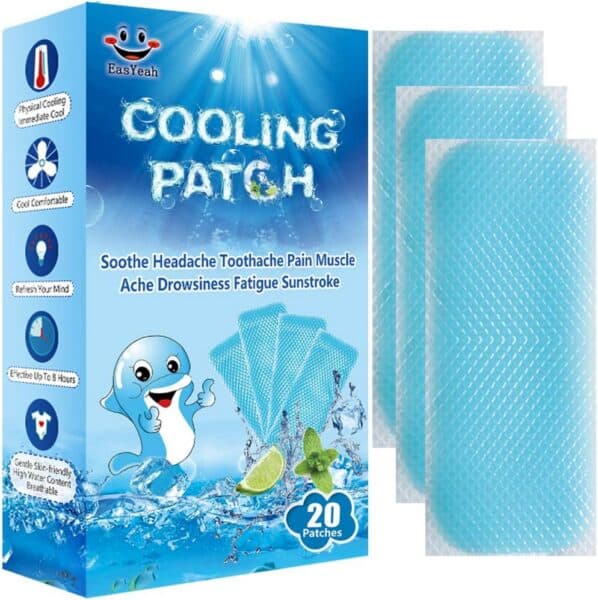
20 Sheets Cooling Patches for Fever Discomfort & Pain Relief, Cooling Relief Fever Reducer
1. Heavy Sweating
One of the first signs of heat exhaustion is excessive sweating.
Sweating is the body's natural cooling system. When children spend time outdoors in hot weather, sweating helps lower their body temperature. However, if a child is sweating heavily for a long period, they may lose too much water and important minerals.
You may notice:
- Clothes becoming soaked with sweat
- Sweat dripping from the face
- Damp hair and skin
- Constant complaints about feeling hot
Heavy sweating alone does not always mean heat exhaustion, but it can be an early warning sign when combined with other symptoms.
2. Unusual Tiredness or Weakness
Children are usually active and energetic. If your child suddenly becomes very tired during outdoor play, pay attention.
Heat exhaustion often causes weakness because the body is working hard to cool itself. A child may seem slower than usual or stop participating in activities they normally enjoy.
Some children may:
- Sit down frequently
- Ask to go home early
- Have trouble keeping up with friends
- Say their legs feel weak
This kind of unusual fatigue should never be ignored during hot weather.
3. Dizziness or Lightheadedness
Feeling dizzy is another common warning sign.
When the body loses fluids through sweat, blood pressure can drop. This may make children feel lightheaded or unsteady.
A child might:
- Stumble while walking
- Complain that the world feels "spinny"
- Feel faint when standing up
- Need to sit down suddenly
Young children may not know how to describe dizziness. Instead, they may simply say they do not feel good or want to rest.
4. Headache
A headache is often one of the earliest symptoms of dehydration and heat exhaustion.
Hot weather, fluid loss, and overexertion can all contribute to headaches. A child who rarely complains about headaches may suddenly say their head hurts after spending time outside.
Watch for signs such as:
- Holding their head
- Rubbing their forehead
- Becoming irritable
- Wanting a quiet place to rest
If a headache develops during hot weather, move the child to a cooler area and encourage them to drink water.
5. Nausea or Stomach Upset
Heat exhaustion can affect the digestive system.
Some children may feel nauseous, while others may complain of stomach pain. In more serious cases, they may vomit.
This symptom can be confusing because it may look like a stomach bug or food-related illness. However, if nausea appears after time spent outdoors in the heat, heat exhaustion should be considered.
Parents should pay attention if a child:
- Says they feel sick to their stomach
- Refuses food or drinks
- Vomits after outdoor activities
- Complains of stomach cramps
Nausea combined with other heat-related symptoms should be treated seriously.
6. Cool, Pale, or Clammy Skin
Many parents expect overheated children to have hot, red skin. Surprisingly, children with heat exhaustion often have cool or clammy skin.
The body continues to sweat heavily while trying to cool itself. As a result, the skin may feel:
- Cool to the touch
- Damp or sticky
- Pale in color
- Slightly gray or flushed
This can be one of the easiest signs for parents to notice.
If your child looks unusually pale after playing outside, it may be time to move them into the shade or an air-conditioned space.
7. Fast Heartbeat
The heart works harder when the body is overheating.
As dehydration develops, the heart must pump faster to keep blood flowing properly. A child may notice their heart racing, or parents may observe rapid breathing and increased heart rate.
Signs include:
- Racing heartbeat
- Rapid breathing
- Feeling anxious
- Difficulty calming down after activity
A fast heartbeat, especially when combined with dizziness or weakness, should be taken seriously.
What Should Parents Do If They Notice These Signs?
If you suspect heat exhaustion, act quickly.
Move your child to a cool location right away. An air-conditioned room is best, but a shady area can also help.
Encourage your child to drink cool water slowly. Avoid sugary drinks and caffeine.
Other helpful steps include:
- Remove extra clothing
- Apply cool, wet towels to the skin
- Use a fan if available
- Let your child rest
Most children begin feeling better within a short time after cooling down and rehydrating.
However, if symptoms do not improve or become worse, seek medical attention immediately.
When Does Heat Exhaustion Become an Emergency?
Heat exhaustion can sometimes progress to heat stroke.
Heat stroke is a life-threatening condition that requires emergency medical care.
Call emergency services immediately if your child has:
- A body temperature above 104°F (40°C)
- Confusion
- Slurred speech
- Seizures
- Loss of consciousness
- Hot, dry skin with little or no sweating
These symptoms require immediate treatment.
How to Prevent Heat Exhaustion in Children
Prevention is always better than treatment.
Simple habits can greatly reduce the risk of heat exhaustion.
Tips for parents include:
- Encourage frequent water breaks
- Dress children in lightweight clothing
- Limit outdoor activities during the hottest part of the day
- Use hats and shade whenever possible
- Never leave a child in a parked car
- Watch for signs of overheating during sports and outdoor play
Even healthy children can develop heat exhaustion, so staying alert is important.
Final Thoughts
Heat exhaustion can happen quickly, especially during hot summer days. Children may not always recognize when their bodies are overheating, so parents play an important role in spotting the warning signs.
Heavy sweating, unusual tiredness, dizziness, headaches, nausea, clammy skin, and a fast heartbeat are all signs that a child may be experiencing heat exhaustion.
Acting early can prevent a more serious heat-related illness and help your child stay safe while enjoying summer activities.
FAQ
What is the first sign of heat exhaustion in children?
Heavy sweating and unusual tiredness are often among the earliest signs. Children may also complain about feeling very hot or thirsty.
How long does heat exhaustion last in children?
Many children recover within a few hours after resting, cooling down, and drinking fluids. Recovery time depends on how severe the condition is.
Can heat exhaustion happen even if a child drinks water?
Yes. While dehydration increases the risk, heat exhaustion can still occur if a child spends too much time in extreme heat or participates in intense physical activity.
What is the difference between heat exhaustion and heat stroke?
Heat exhaustion is less severe and usually improves with cooling and hydration. Heat stroke is a medical emergency involving dangerously high body temperature and possible brain damage.
Should I take my child to the doctor for heat exhaustion?
If symptoms are mild and improve quickly, home care may be enough. However, seek medical care if symptoms worsen, last for several hours, or if your child shows signs of heat stroke.
Are some children more likely to get heat exhaustion?
Yes. Infants, young children, children with obesity, and those participating in sports during hot weather may have a higher risk.