When a child is overweight, the focus should be on helping them feel better, move more, and eat foods that give them what they need to grow. It’s not about dieting or cutting out food. It’s about adding the right kinds of foods that help the body work well.
Start with small changes at home. Offer more of the foods that help kids stay full, feel strong, and have energy. Try to make healthy eating simple and tasty so your child enjoys meals.
Focus on Whole, Natural Foods
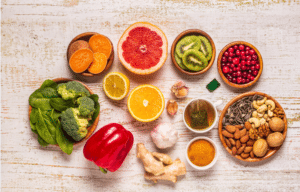
Whole foods are foods that are close to their natural state. They are not packed with sugar or fake ingredients. These foods help keep blood sugar steady and provide fiber to keep kids full longer. Some of the best whole foods to add include:
- Fresh fruits like apples, berries, and bananas
- Vegetables like carrots, broccoli, and bell peppers
- Whole grains like brown rice, oats, and whole wheat bread
- Beans and lentils for fiber and protein
These foods give your child the nutrients they need to grow without too many extra calories. Make them fun by cutting fruits into shapes or making veggie faces on a plate.
Choose Lean Protein Sources
Protein helps kids build muscles and keeps them full. It also helps with growth. Choose lean proteins that are not fried or full of fat. Good protein options include:
- Grilled chicken or turkey
- Fish like salmon or tilapia
- Eggs (boiled, scrambled, or in omelets)
- Tofu or tempeh
- Low-fat cheese or plain yogurt
You can mix protein into meals in easy ways. Try egg muffins for breakfast, tuna salad wraps, or chicken and veggie stir-fry.
Include Healthy Fats in Small Amounts
Kids still need fat, even if they are overweight. But it should be the right kind of fat. Healthy fats help the brain and body grow. They also make food taste better. The key is to use them in small amounts. Healthy fats include:
- Avocados (on toast or in smoothies)
- Nuts and seeds (small portions only if no allergy)
- Olive oil for cooking or salads
- Nut butters like peanut or sunflower seed butter
Don’t overdo it, but don’t avoid fat completely. Just skip fried foods and heavy sauces.
Cut Back on Sugar and Processed Foods
Too much sugar makes it harder for kids to feel full. It can also make them tired and moody. Try to cut back on these:
- Soda and sugary drinks (offer water or milk instead)
- Candy and sweets
- Chips and packaged snacks
- Fast food meals
Instead of removing all treats, try healthier versions. Offer frozen yogurt instead of ice cream or fruit slices instead of cookies.
Make Healthy Snacks Easy to Grab
Kids love snacks, so it helps to have healthy options ready. Keep cut fruits and veggies in the fridge. Use small containers to portion out snacks ahead of time. Some good snack ideas are:
- Apple slices with peanut butter
- Low-fat yogurt with berries
- Air-popped popcorn
- Whole grain crackers and cheese
- Carrot sticks with hummus
When healthy food is easy to reach, kids are more likely to eat it.
Encourage Regular Meals and Eating Together
Skipping meals can make kids feel hungrier later and cause them to eat too much. Try to have regular mealtimes with breakfast, lunch, dinner, and 1–2 snacks in between.
Eating together as a family helps kids feel supported. It also gives parents a chance to model healthy eating. Try turning off screens and talking during meals.
Keep Portions Kid-Sized
Even healthy foods can lead to weight gain if kids eat too much. Serve smaller portions and let kids ask for more if they are still hungry. Use smaller plates and cups to help with this. Teach your child to stop eating when they feel full.
You can also talk about hunger and fullness using simple words like:
- "Is your tummy still hungry or full?"
- "Let’s take a break and see if you feel full."
Get Kids Involved in Food Choices
Kids like to feel included. Let them help with grocery shopping or cooking. Ask them to pick a fruit or veggie to try. When kids help make meals, they are more likely to eat them.
Try making a food chart or weekly meal board where kids can pick their snacks or lunches. Keep it simple, colorful, and fun.
Stay Positive and Be Patient
Changing eating habits takes time. Don’t expect big changes overnight. Keep meals calm and positive. Praise your child when they try something new or make a healthy choice.
Focus on progress, not perfection. Say things like:
- "Nice job picking fruit for your snack!"
- "I love that you tried that veggie today."
Make meals about family and fun, not about weight.
FAQ
What are the best foods for overweight children?
Fresh fruits, vegetables, whole grains, lean protein, and healthy fats in small amounts are best.
Should overweight kids avoid all snacks?
No, they just need smart snacks like fruit, yogurt, or veggies with dip.
Is it okay for kids to eat fat?
Yes. Healthy fats help kids grow. Just avoid fried or greasy foods.
How can I help my picky eater eat better?
Offer new foods with ones they like. Keep trying. Involve them in cooking.
How many times a day should my child eat?
Three meals and one or two snacks are usually enough.
References
- Centers for Disease Control and Prevention - https://www.cdc.gov/healthyweight/children/
- American Academy of Pediatrics - https://www.healthychildren.org
- Harvard School of Public Health - https://www.hsph.harvard.edu/nutritionsource/
- KidsHealth by Nemours - https://kidshealth.org
- USDA MyPlate for Kids - https://www.myplate.gov