Every parent notices the little things first. Maybe a child suddenly seems shorter than classmates, or their clothes fit differently than last year. Often, what parents are really thinking about is growth hormone. Growth hormone, or GH, is a key player in a child’s growth, muscle development, and overall health. The good news is that there are safe and natural ways to help children boost their growth hormone levels without turning to medicine right away.
Growth hormone is produced by the pituitary gland, a tiny organ at the base of the brain. Its job is to signal the body to grow taller, build muscle, and even regulate fat. Kids naturally make more GH when they are younger, but the levels can vary a lot. Genetics play a role, but lifestyle factors, like sleep, nutrition, and exercise, are just as important. In some cases, doctors may recommend GH therapy, but most children benefit greatly from natural strategies.
Encourage Regular Sleep
Sleep is a growth hormone superstar. Most GH is released during deep sleep, especially during the first part of the night. If a child stays up late or has disrupted sleep, GH release drops. Creating a regular bedtime routine, keeping the room dark and cool, and limiting screens before bed can make a big difference. For school-age kids, aiming for 9 to 11 hours of sleep is ideal. Even short naps for younger children can support growth, though they are usually not enough by themselves.
It’s also worth noting that sleep quality matters as much as sleep length. A child tossing and turning might need a softer mattress, fewer sugar drinks before bedtime, or a calming bedtime activity. Some families find that reading together or playing quiet music helps kids relax and reach that deep sleep stage where growth hormone peaks.
Focus on Balanced Nutrition
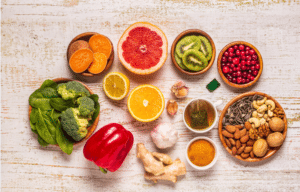
Food is another key factor. Proteins are essential because GH helps the body use amino acids to build muscle and bone. Lean meats, eggs, beans, and dairy are excellent options. Some parents worry that vegetarian diets might limit GH, but with a variety of protein-rich plant foods like lentils, tofu, nuts, and seeds, kids can still get what they need.
Carbohydrates and fats also matter, but the timing can affect GH. Large sugary meals before bed may interfere with GH production. Instead, a light snack with protein and healthy fat, like yogurt with a few nuts, can support overnight growth. Vitamins and minerals are critical too. Zinc, vitamin D, and magnesium all help the body make and use growth hormone. Fruits, vegetables, and fortified foods often cover these needs.
Encourage Regular Exercise and Play
Exercise is a natural GH booster. Activities that involve running, jumping, or sprinting—think soccer, basketball, or even tag in the backyard—stimulate growth hormone release. Strength training is also safe for children when done with proper supervision and light weights or bodyweight exercises. Even climbing playground structures or riding a bike at a fast pace counts.
The key is consistency. Short bursts of intense activity several times a week help more than one long session. Kids don’t need to train like athletes, but regular movement is important. Some families notice that after a few weeks of active play, children seem more energetic and even develop better posture, which can make them appear taller and stronger.
Manage Stress and Emotional Well-Being
Stress can suppress growth hormone. Children who are anxious, pressured, or unhappy may produce less GH than relaxed kids. Encouraging fun, downtime, and positive social interactions can support natural hormone production. Techniques like deep breathing, storytelling, or even simple family walks can help children unwind. Emotional health and physical growth are surprisingly connected.
Parents often overlook this link. If a child seems stressed over school, friendships, or even minor life changes, GH production can be affected. Fostering a supportive environment at home can make a difference not just in growth, but in overall health and confidence.
Healthy Body Weight Supports Growth
Being underweight or overweight can influence GH levels. Children with excess body fat may experience lower GH production, while undernourished children may also have reduced levels. Encouraging balanced meals and regular physical activity helps maintain a healthy weight, which in turn supports natural growth hormone production.
It’s not about dieting, but about healthy habits. Snacks like fruit, yogurt, or whole-grain crackers work better than sugary drinks or chips. Combining nutrition with fun activities like swimming or hiking makes staying active enjoyable, not stressful. Kids are more likely to stick with habits that feel fun instead of a chore.
Natural Supplements and Foods
While most nutrients should come from food, some studies show that certain foods and supplements may support GH. For example, arginine, an amino acid found in meat, dairy, and nuts, is linked to GH release. Omega-3 fatty acids from fish or flaxseeds may also help. Always check with a pediatrician before giving any supplement, as children’s needs are different from adults.
Herbal products claiming to boost GH are usually not proven and sometimes unsafe. Stick to well-researched nutrients and foods. Natural methods combined with healthy sleep, nutrition, and activity usually work best. Remember, no supplement can replace basic healthy habits.
Watch Out for Red Flags
Sometimes, slow growth might be more than just low GH. If a child’s growth curve slows dramatically, or if other symptoms appear—like delayed puberty, unexplained weight changes, or persistent fatigue—it’s important to consult a pediatrician. A doctor may recommend testing for GH deficiency or other conditions that affect growth. Early attention can make a big difference.
Many parents worry unnecessarily, but being aware is smart. Regular check-ups, monitoring height and weight, and talking openly with healthcare professionals ensure that children get the right support at the right time.
Lifestyle Tips for Everyday Life
- Keep a daily routine that balances sleep, meals, and activity.
- Include playful movement in daily life, not just structured sports.
- Make meals colorful with vegetables, fruits, and protein.
- Encourage emotional expression and relaxation.
- Limit sugary foods and drinks, especially before bedtime.
Consistency matters more than perfection. Children thrive in environments where healthy habits are part of everyday life. Even small, steady changes—like a few extra minutes of active play or a bedtime routine—can support natural growth hormone production over time.
FAQ
1. How can I naturally increase growth hormone in my child?
Encourage deep sleep, balanced nutrition, regular exercise, emotional support, and healthy body weight.
2. Is protein important for growth hormone?
Yes. Proteins provide amino acids essential for muscle and bone growth and help GH work effectively.
3. Can sugar affect growth hormone?
Yes. Large sugary meals, especially before bedtime, may reduce GH production. Choose protein-rich snacks instead.
4. How much exercise helps growth hormone production?
Short bursts of high-intensity activity, like running, jumping, or sports, 3-5 times a week are ideal.
5. Should I give my child supplements for growth hormone?
Only under pediatric guidance. Most children get enough nutrients from food. Stick to well-researched vitamins like vitamin D, zinc, and magnesium.