Iron deficiency anemia is one of those health concerns that sneaks up on families. Kids can look fine on the outside, yet inside their bodies, their energy tanks are running low. Iron is the mineral that helps carry oxygen through the blood. Without enough, kids feel tired, pale, and sometimes cranky. For growing children, that lack of oxygen can affect focus in school, playtime, and even healthy growth.
Many parents first notice something small. Maybe a child who used to run everywhere now gets winded after climbing stairs. Or a kid who loved sports suddenly seems uninterested. Sometimes teachers notice kids daydreaming in class or struggling to pay attention. These small changes may not scream “iron deficiency anemia,” but together they paint a picture.
The truth is, iron deficiency anemia in children is common, especially in kids who are picky eaters, drink a lot of cow’s milk, or don’t eat many iron-rich foods. The good news? Parents can often prevent it with the right food choices and daily habits.
What Exactly Is Iron Deficiency Anemia?
To keep things simple, think of iron as the fuel that red blood cells use to carry oxygen. When there isn’t enough iron, the body can’t make healthy red blood cells. That’s when anemia happens.
Children with anemia may have:
- Pale skin or lips
- Less energy than usual
- Faster heartbeat
- Trouble focusing
- Slow weight gain or growth
Not every child shows the same signs. Some look healthy but have low iron when checked. That’s why doctors often test hemoglobin or ferritin levels if they suspect anemia.
Iron deficiency anemia doesn’t develop overnight. It builds slowly, often starting with mild fatigue or changes in appetite. Over time, if iron stores keep dropping, the body shows clearer signs.
Why Kids Are at Risk of Iron Deficiency
Children need more iron than adults in many cases, simply because they’re growing so fast. Babies, toddlers, and teens are especially at risk.
Some key risk factors include:
- High milk intake: Drinking lots of cow’s milk fills the stomach but doesn’t give iron. Plus, too much milk can block iron absorption.
- Picky eating: Kids who avoid meat, beans, or leafy greens may not get enough iron.
- Premature birth or low birth weight: Babies may start life with smaller iron stores.
- Rapid growth spurts: Teens, especially girls when menstruation begins, need more iron.
- Restricted diets: Vegan or vegetarian kids may miss easy sources of iron if meals aren’t balanced.
Parents often don’t realize milk, while healthy in many ways, can crowd out iron-rich foods. A toddler who drinks three big bottles of milk a day might not be hungry for much else. That’s a classic setup for low iron.
Everyday Signs Parents Might Notice
Iron deficiency anemia doesn’t always shout. The signs are often whispers. A child who was once active becomes less interested in games. Nails may look brittle, or lips might seem pale. Some kids even crave odd things like ice, chalk, or dirt — a condition called pica, which can point to iron deficiency.
Parents sometimes describe kids as “just not themselves.” Less playful, more irritable, or needing extra naps. Teachers might notice daydreaming, slower reading, or trouble remembering things. Because iron fuels the brain as well as the body, anemia can affect learning, not just energy.
The challenge is that these signs overlap with so many other childhood issues. A tired kid could simply need more sleep. A pale face might be from a long winter. That’s why awareness matters. When several signs show up together, it’s worth asking a doctor.
Foods That Help Prevent Iron Deficiency Anemia
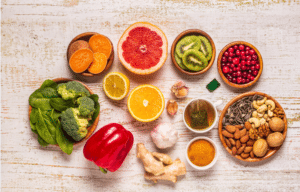
The most powerful way to prevent iron deficiency anemia is through diet. Kids need both heme iron (from animal foods) and non-heme iron (from plant foods). The body absorbs heme iron more easily, but pairing non-heme iron with vitamin C makes a big difference.
Best Sources of Iron for Kids
- Lean meats like chicken, beef, turkey
- Fish and shellfish
- Eggs
- Beans, lentils, chickpeas
- Spinach, kale, broccoli
- Fortified cereals and breads
- Tofu and soy products
- Dried fruits like raisins, apricots, prunes
Vitamin C Boosters to Pair with Iron
- Oranges, strawberries, kiwi
- Bell peppers
- Tomatoes
- Pineapple
- Mango
Example: A bowl of fortified cereal with strawberries, or beans with tomato sauce, makes iron easier to absorb.
Everyday Eating Habits That Matter
Even when kids eat some iron-rich foods, certain habits can block iron absorption.
- Limit milk: Keep cow’s milk to around 16–24 ounces per day. Too much interferes with iron.
- Avoid tea or coffee for kids: Even small sips reduce iron absorption.
- Offer snacks wisely: Don’t let chips and sweets take the place of iron foods.
- Cook in cast iron pans: Surprisingly, this can add small amounts of iron to food.
Meal timing matters too. Giving milk separately from iron-rich meals helps the body use iron better.
Special Situations: Babies and Toddlers
Babies are born with iron stores, but those run out by about 6 months. Breastfed babies may need iron-rich foods or supplements after that point. Formula-fed babies usually get iron-fortified formula until they transition to solids.
Toddlers are often the trickiest stage. They become picky, want independence, and drink a lot of milk. This is the age group where iron deficiency anemia shows up most. Offering small, frequent meals with iron helps. Think mini meatballs, scrambled eggs, or hummus with veggies.
Special Situations: Teens
Teenagers have their own challenges. Rapid growth, sports, and new diets (sometimes vegetarian or restrictive) all affect iron levels. Girls lose iron during periods, so they often need extra attention.
Encouraging iron-rich snacks after sports, like a turkey sandwich or bean wrap, can help. For teens who avoid meat, pairing plant foods with vitamin C becomes even more important.
Can Supplements Help?
Sometimes diet isn’t enough, especially if a child is already low in iron. Doctors may suggest iron drops, liquid supplements, or tablets depending on age. But iron supplements can cause side effects like constipation or stomach upset. That’s why medical supervision is key. Giving too much iron can be harmful, so parents should never start supplements on their own.
Preventing Iron Deficiency Anemia in Daily Life
Prevention isn’t about one big change. It’s small daily steps:
- Offer balanced meals with both iron and vitamin C.
- Watch milk intake.
- Make iron-rich snacks fun and easy.
- Pay attention to unusual tiredness or behavior changes.
- Get regular checkups, especially at ages where iron needs are high.
Children who grow up with good iron habits usually carry them forward. A child who enjoys beans, lean meats, and leafy greens is less likely to struggle with anemia later.
Long-Term Impact of Low Iron in Children
Iron deficiency anemia doesn’t just make kids tired. It can affect school performance, social play, and long-term growth. Research shows prolonged low iron in early childhood may even affect brain development. That’s why prevention is so important.
For most families, the solution is simple foods, consistent habits, and staying alert. Anemia is treatable, but it’s far better to catch it before it starts.
FAQ
What causes iron deficiency anemia in children?
The main causes are not eating enough iron-rich foods, drinking too much milk, rapid growth, or blood loss (like heavy periods in teens).
What are early signs of iron deficiency anemia in kids?
Tiredness, pale skin, crankiness, slow growth, or unusual cravings like ice.
How much iron do children need daily?
It depends on age: toddlers need around 7 mg, school-age kids 10 mg, and teens up to 15 mg or more for girls.
Can picky eaters get enough iron?
Yes, with planning. Fortified cereals, beans, eggs, dried fruit, and vitamin C pairings can help picky kids meet their needs.
Is iron deficiency anemia dangerous?
Mild cases cause fatigue, but severe or untreated anemia can affect learning, growth, and development.
Do kids need iron supplements?
Only if recommended by a doctor. Too much iron is unsafe, so supplements should never be started without guidance.