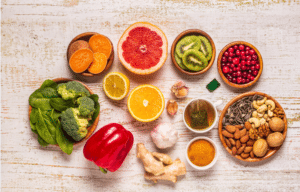
Vitamin A is an essential nutrient that supports many aspects of a child’s growth. While most children in the United States consume enough vitamin A through their daily diet, some may fall short—especially picky eaters or children with certain medical conditions. Understanding what vitamin A does and where to get it can help parents make informed nutrition decisions.
What Is Vitamin A?
Vitamin A is a fat-soluble vitamin, which means it can be stored in the body’s fatty tissues. It plays a central role in:
- Vision development, especially night vision
- Immune function, supporting the body’s ability to fight infections
- Skin and tissue repair
- Normal growth, including bone and cellular development
Because vitamin A is stored rather than excreted, children must get adequate—but not excessive—amounts to stay healthy.
Types of Vitamin A
Vitamin A exists in two main forms:
1. Preformed Vitamin A (Retinol) – Animal Sources
This form is ready for the body to use immediately.
Common foods include:
- Beef or chicken liver
- Fish (e.g., salmon, sardines)
- Egg yolks
- Cheese
- Fortified milk and dairy products
2. Provitamin A Carotenoids – Plant Sources
These are pigments found in colorful fruits and vegetables. The body converts them into active vitamin A.
Rich plant sources include:
- Sweet potatoes
- Carrots
- Spinach and other dark leafy greens
- Pumpkin
- Red and yellow peppers
- Tomatoes
- Mangoes
Carotenoid-rich foods also provide fiber and antioxidants, making them doubly beneficial for growing kids.

Essential Vitamin A Guide for Children’s Health
How Much Vitamin A Do Children Need?
Daily vitamin A needs are expressed as Retinol Activity Equivalents (RAE).
| Age | Recommended Intake |
|---|---|
| 0–6 months | 400 mcg RAE |
| 7–12 months | 500 mcg RAE |
| 1–3 years | 300 mcg RAE |
| 4–8 years | 400 mcg RAE |
| 9–13 years | 600 mcg RAE |
| 14–18 years | 900 mcg RAE (boys), 700 mcg RAE (girls) |
Most children can meet these needs through a balanced diet without relying on supplements.
Signs of Vitamin A Deficiency in Children
Although deficiency is uncommon in the U.S., it may occur in children who:
- Eat very limited diets
- Avoid vegetables
- Have conditions that reduce nutrient absorption, such as
- celiac disease
- Crohn’s disease
- cystic fibrosis
- Follow restrictive diets due to sensory or behavioral challenges (e.g., autism)
Possible symptoms include:
- Frequent infections
- Dry or rough skin
- Delayed growth
- Vision problems, especially difficulty seeing in low light
- Fatigue
If parents notice these symptoms, they should seek guidance from a pediatrician or registered dietitian.
Vitamin A Toxicity: Can Kids Get Too Much?
Because vitamin A is stored in the body, excess intake can be harmful—usually from high-dose supplements rather than food.
Possible signs of excessive vitamin A include:
- Nausea or vomiting
- Headaches
- Liver abnormalities
- Dizziness
- Bone pain
- Skin peeling or yellowing
For this reason, supplements should only be used when recommended by a healthcare provider.

Nuvamin – Liquid Liposomal Vitamin A & D3 Drops with K2 for Baby Toddlers Kids & Adults
How to Ensure Your Child Gets Enough Vitamin A
1. Prioritize Colorful Foods
Encourage your child to eat a variety of orange, red, yellow, and dark-green vegetables. A “colorful plate” usually ensures a steady supply of carotenoids.
2. Include Animal-Based Sources
If your family eats animal products, incorporating eggs, dairy, and fish can support steady vitamin A intake.
3. Check Food Labels
In the U.S., vitamin A appears on nutrition labels, making it easier to track if your child is reaching daily targets.
4. Use Supplements Only When Necessary
A multivitamin formulated for children may be appropriate for selective eaters, but medical advice is essential before starting supplementation.
FAQ: Vitamin A for Kids
1. Can my child get enough vitamin A from vegetables alone?
Yes. Many vegetables—especially carrots, sweet potatoes, and leafy greens—contain carotenoids that the body converts into vitamin A.
2. Does cooking reduce vitamin A in foods?
Some carotenoids become more available after cooking (e.g., carrots or tomatoes), so cooked dishes can be excellent sources.
3. Should picky eaters take vitamin A supplements?
Not automatically. A healthcare provider should assess whether supplements are needed based on overall eating patterns.
4. Is cod liver oil a good vitamin A source?
It contains vitamin A, but levels are high and may risk toxicity. It should not be used without medical guidance.
5. Can too much carrot intake turn my child’s skin yellow?
Yes—high carotenoid intake can cause carotenemia, a harmless yellow-orange discoloration of the skin. It’s not the same as vitamin A toxicity and resolves when intake decreases.