A Real Parent’s Guide
My child’s appetite always gets worse in the summer.
During cooler seasons, he can finish a big bowl of food with no problem. But once summer arrives, he often says:
“I’m full” after just a few bites.
Compared to spring or fall, his appetite drops a lot in the heat.
At first, I worried:
“Is he sick? Is something wrong with his body?”
But after doing some research and talking to other parents, I realized—this happens to a lot of kids!
So today, let’s talk about:
Why do kids eat less in summer, and what can we do about it?
Why Do Kids Lose Their Appetite in Summer?
Actually, it’s pretty normal for children to eat less when it’s hot. Here’s why:
1. Hot Weather Slows Digestion
When it’s hot, the body sends more blood to the skin to cool down. This means less blood goes to the stomach.
Result? Kids don’t feel as hungry because their stomachs work slower in the heat.
2. Too Many Drinks Before Meals
Kids drink more water, juice, or smoothies in the summer. That’s good—but if they drink a lot right before meals, there’s no room left for food!
3. Sleep and Mealtime Get Messy
Summer break often means staying up late and sleeping in. Breakfast becomes lunch, snacks happen all day, and mealtime gets out of rhythm.
When the body’s routine is off, the stomach gets confused too!
4. Ice Cream and Snacks Take Over
Let’s be honest—summer is full of treats like ice cream, soda, chips, and popsicles.
These are fun once in a while, but they can make kids feel full without getting the nutrients they need.
What Can Parents Do?
Here are 5 simple and helpful tips to get through this summer appetite slump.
1. Keep Meals Light, Fresh, and Fun
Heavy meals can feel too much in the heat. Try lighter options like:
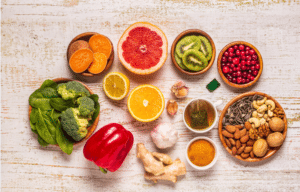
- Fresh fruits: Watermelon, strawberries, oranges, blueberries
- Simple salads: Chicken salad, tuna salad, egg salad
- Whole grain sandwiches with turkey, lettuce, and tomato
- Greek yogurt with fruit and nuts
- Smoothie bowls topped with granola or seeds
These foods are cooling, nutritious, and easier for kids to eat when it’s hot.
2. Make Food Look Fun
Kids eat with their eyes first! Try:
- Cutting fruits into stars, hearts, or animal shapes
- Making a “rainbow plate” with red, orange, green, and purple fruits and veggies
- Letting your child build their own wrap or salad—they’ll love the control!
3. Watch the Drinks
Kids need to drink plenty of water, but remind them not to drink too much right before meals.
Limit sugary drinks like soda and juice. Try:
- Lemon water or cucumber water
- Homemade smoothies with no added sugar
- Milk or plant-based milk for protein and calcium
4. Stick to a Routine
Even during summer break, try to keep regular:
- Breakfast, lunch, and dinner times
- Limited snacks between meals
- A good sleep schedule—tired kids often don’t want to eat!
When the routine is steady, your child’s body will feel hungry at the right times.
5. Don’t Stress or Force It
Sometimes parents say:
“You won’t grow if you don’t eat!”
“If you don’t finish your food, you’ll get sick!”
But actually, pushing too hard can make things worse.
The best approach is to keep mealtimes relaxed. Eat together as a family. Talk, laugh, and make food time happy—not stressful.
What About Nutrition?
If your child is:
- Active and playful
- Drinking enough fluids
- Sleeping well
- Growing steadily over time
Then a little summer eating slump is normal.
You can also offer healthy snacks between meals:
- Apple slices with peanut butter
- Cheese sticks
- Whole grain crackers
- Smoothies with yogurt or milk
When Should You Call the Doctor?
Talk to your child’s doctor if you notice:
- Significant weight loss
- No energy or unusual tiredness
- Refusing food for more than 2 weeks
- Stomach pain, vomiting, or diarrhea
- Signs of dehydration (dry lips, not peeing much, dizziness)
Final Thoughts
It’s normal for kids to eat less in summer.
What matters most is:
- Offering light, tasty meals
- Keeping a good daily routine
- Making mealtimes positive and pressure-free
Don’t turn meals into a battle. With love and patience, your child will get the nutrition they need and learn healthy habits for life.