When fall arrives, many parents notice changes in their child’s nose. Some kids keep rubbing or picking their nose. Some wake up with a blocked nose or dry, hard mucus. Others start sneezing and getting a runny nose as soon as the weather turns cold.
These problems are very common in fall and early winter. They are usually caused by dry air, cooler temperatures, and a weaker nasal barrier. The good news is that most nose discomfort in children can be eased with simple daily care.
Why Kids Have More Nose Problems in Fall
Dry Air Can Dry Out the Nose
As the weather cools, the air becomes drier.
Indoor heating makes it even worse.
When the nose dries out, the lining inside becomes thin and fragile.
This can lead to:
- Dry or itchy nose
- Hard nasal mucus
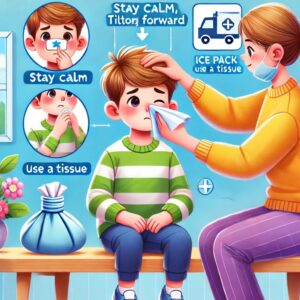
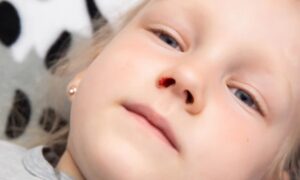
- Small nosebleeds, especially in the morning
Even a small crack in the nasal lining can bleed easily.
Cold Air Can Cause Runny Nose and Congestion
Cold air can irritate the nose.
When children breathe in cold air, the nose reacts by making more mucus.
This often causes:
- Stuffy nose
- Clear, watery runny nose
- Sneezing, especially outdoors
These symptoms usually improve when the child stays warm.
Infections or Allergies May Last Longer
If a runny nose lasts more than a week, or mucus turns yellow or green, it may be linked to:
- A cold or flu
- Allergies
- Sinus irritation
In these cases, careful monitoring is important.
Simple and Safe Ways to Care for Your Child’s Nose
Use Saline Spray or Drops
Saline (saltwater) helps keep the nose clean and moist.
Benefits include:
- Softening dry mucus
- Washing away dust and allergens
- Reducing nosebleeds caused by dryness
Tips for parents:
- Choose products made for children
- Use 1–2 times a day
- Avoid overuse
For babies and toddlers, saline drops with a gentle nasal aspirator work best.

Frida Baby Saline Rinse for Toddler, Kids, Ages 2+, Saline Rinse for Sinus
Keep Indoor Air Moist
A healthy indoor humidity level is about 50%–60%.
You can:
- Use a clean humidifier
- Air-dry laundry indoors
- Avoid hot air blowing directly on your child
Moist air protects the nasal lining and makes breathing easier.
Encourage Enough Fluids
Water helps keep the nose moist from the inside.
Offer:
- Plain water
- Warm soups
- Fruits with high water content
Well-hydrated children often recover faster from colds.
Warm Compress for Comfort
A warm towel placed gently over the nose can help relieve:
- Mild congestion
- Dryness
- Discomfort
Use for 5–10 minutes, 2–3 times a day.
Common Mistakes to Avoid
Do Not Forcefully Pick the Nose
Hard picking can damage the nose and cause bleeding.
Instead:
- Use saline first
- Wait for mucus to soften
- Gently clean if needed
Avoid Strong Decongestant Nose Drops
Some nose drops work fast but are not safe for children when used often.
They can:
- Dry the nose even more
- Cause rebound congestion
Always talk to a doctor before using medicated sprays.
Keep Kids Away from Irritants
Smoke, dust, and pollution can worsen nasal problems.
Try to:
- Keep indoor air clean
- Avoid secondhand smoke
- Use masks on heavy pollution days if needed
When Should You See a Doctor?
Take your child to a doctor if:
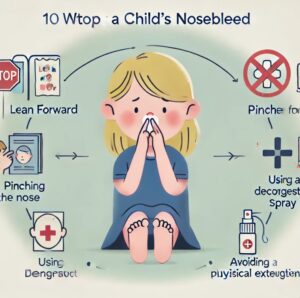
- Nosebleeds happen often or are hard to stop
- Nasal blockage affects sleep or eating
- Thick yellow or green mucus lasts over 10–14 days
- Fever or headache appears with nasal symptoms
Final Thoughts
Nose problems are common for kids in fall, but most are mild.
With gentle care, proper moisture, and a clean environment, children can stay comfortable and breathe easily through the season. Small daily habits make a big difference.
FAQ: Caring for Your Child’s Nose in Fall and Winter
1. Why do children get dry or bloody noses more often in fall and winter?
Cold weather and low humidity dry out the air.
Indoor heating makes it even worse.
When the air is dry, the lining inside the nose loses moisture.
This makes it thin and fragile.
Small actions like rubbing the nose or blowing it can cause bleeding.
This is very common in children during fall and winter.
2. Is it harmful if my child keeps rubbing or picking their nose?
Yes, it can be.
Frequent rubbing or nose picking can damage the nasal lining.
It increases the risk of nosebleeds and infections.
If a child keeps doing this, it often means their nose feels dry or itchy.
The best solution is to moisturize and clean the nose gently, not to scold the child.
3. Can I use saline spray or drops every day for my child?
Yes.
Child-safe saline sprays or drops are safe for daily use.
Using them once or twice a day can help:
- Moisten the nasal passages
- Soften dried mucus
- Reduce dryness and irritation
There is no need to use them more often unless advised by a doctor.
4. My child wakes up with a blocked nose and dry mucus. Is this normal?
Yes, especially in colder months.
At night, dry air and mouth breathing can dry out the nose.
This causes thick or crusty mucus in the morning.
Using saline before bedtime and keeping indoor humidity at a healthy level can help a lot.
5. My child has a runny nose in cold air. Is it a cold?
Not always.
If your child feels well, has no fever, and only has clear, watery mucus in cold air, it is often a normal reaction to temperature changes.
Once the child warms up, the runny nose usually improves.
6. Does a dry nose mean my child is not drinking enough water?
Not necessarily.
Drinking enough water is important, but dry air is often the main cause.
Even well-hydrated children can have nasal dryness in fall and winter.
That’s why both internal hydration and nasal care are important.
7. Is it safe to put petroleum jelly or cream inside my child’s nose?
It is not recommended to apply creams deep inside the nose.
If needed, a very thin layer can be applied only at the nostril opening, using a child-safe product.
Avoid frequent use and do not push products deep into the nasal passage.
If unsure, ask your child’s doctor first.
8. When should I take my child to see a doctor?
You should seek medical care if your child has:
- Frequent or heavy nosebleeds that are hard to stop
- Severe nasal blockage affecting sleep or eating
- Thick yellow or green nasal discharge lasting more than 2 weeks
- Fever, headache, or facial pain along with nasal symptoms
These may be signs of infection or another condition that needs treatment.