(We include products we think are useful for our readers. If you buy through links on this page, we may earn a small commission.)
Summer is the season kids love the most. They get to run outside, play in the park, and enjoy fresh air. But with the fun also comes something less welcome: bug bites. Mosquitoes, ticks, and fleas are common in hot weather and can quickly turn a child’s happy day into an itchy, uncomfortable one. For parents, understanding how to prevent and treat these bites is the key to keeping children safe and healthy.
Every summer, my child gets covered in bug bites. The bites itch like crazy and take a long time to finally go away.
Common Summer Bug Bites in Children
Mosquito Bites
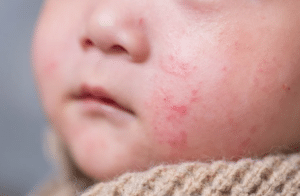
Mosquitoes are everywhere during summer evenings and near water. Their bites look like red bumps and often make kids scratch non-stop. Most mosquito bites are harmless, but sometimes they can cause stronger reactions such as swelling, hives, or even allergic responses. In rare cases, mosquitoes can spread illnesses like dengue fever or West Nile virus.
Tick Bites
Ticks are small but can cause big problems. They usually hide in tall grass, bushes, or wooded areas. When a tick bites, you may not notice it right away because it attaches itself firmly to the skin. Some tick bites can lead to Lyme disease or other infections. A telltale sign is a rash that looks like a “bull’s-eye” — red in the middle and spreading outward in rings.
Flea Bites
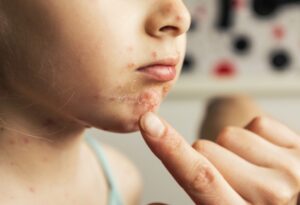
Fleas are common in homes with pets. They bite in clusters, often leaving small red bumps on the legs or waistline. These bites can be very itchy and may even keep children awake at night. If kids scratch too much, the skin may break and get infected.

Hello Bello Kids Soothing Itch Stick
How Parents Can Prevent Bug Bites
Choose Protective Clothing
When heading outdoors, dress kids in long sleeves, long pants, and closed shoes. Light-colored clothing is better because it makes it easier to spot ticks. This simple step can greatly reduce the risk of bites.
Use Safe Insect Repellents
Child-safe bug sprays or lotions can protect against mosquitoes and ticks. Products with DEET are effective, but always check the label for age recommendations. Avoid putting repellent on children’s hands or near their eyes and mouths.
Keep the Environment Clean
Mosquitoes breed in standing water, so empty buckets, flowerpots, or any container that collects rain. Check pets regularly for fleas and wash their bedding often. Around the house, vacuum carpets and rugs to help reduce flea problems.
Avoid High-Risk Areas
If possible, limit children’s playtime in dense grassy fields or wooded areas. After spending time outdoors, do a full skin check. Look carefully at the scalp, behind the ears, armpits, and knees — favorite spots for ticks to hide.
How to Manage Bug Bites
Relieving Mosquito Bite Itch
For itchy mosquito bites, a cold compress can calm swelling. Anti-itch creams or children’s antihistamines can also help. Remind kids not to scratch too much, since scratching makes the itch worse.

PILPOC theFube Fidget Cube with 12 Sides
Handling Tick Bites
If you find a tick on your child, use special tick tweezers or fine-tipped tweezers to pull it out slowly. Make sure the entire tick is removed, including the head. Wash the area with soap and water, then apply antiseptic. Keep an eye on your child for fever, tiredness, or rash, and call your doctor if these show up.
Treating Flea Bites
Wash the affected area with mild soap and water. Apply soothing creams to stop itching. Keep your child’s fingernails short to prevent scratching that could lead to infection.
When to See a Doctor
Seek medical care if:
- Your child has trouble breathing or swelling of the face (possible allergic reaction).
- The bite area becomes very red, swollen, or filled with pus.
- Fever, headaches, or unusual tiredness appear after a tick bite.
- The rash looks like a bull’s-eye or keeps spreading.
Helping Kids Enjoy a Bite-Free Summer
Bug bites are common, but they don’t have to ruin summer fun. With smart clothing, safe repellents, and a clean environment, parents can protect their kids from itchy bumps and serious illnesses. And if any bite looks unusual or your child seems unwell, don’t wait — call your doctor right away. A little prevention goes a long way toward keeping summer safe and happy.
Frequently Asked Questions (FAQ)
What bug bites are most common in kids during summer?
Mosquito, tick, and flea bites are the most common. Each has different signs and risks.
Can mosquito bites make my child sick?
Most mosquito bites are harmless, but in some regions, mosquitoes can spread illnesses like dengue or West Nile virus.
How can I safely remove a tick from my child?
Use fine-tipped tweezers, pull slowly without twisting, and clean the area with soap and water. Never use oil or fire to remove a tick.
Should I always take my child to the doctor after a bug bite?
Not always. Most bites can be managed at home. But if your child has fever, rash, or signs of an allergic reaction, seek medical help right away.
What’s the best insect repellent for kids?
Choose repellents made for children. DEET products are effective but always follow the age guidelines on the label.