Spring is a beautiful season. Flowers bloom, the weather becomes warmer, and children spend more time outside. Many families enjoy parks, outdoor games, and travel during this time of year. But even though spring feels fresh and healthy, many parents notice something surprising — their kids seem to get sick more often during spring.
Children may suddenly start sneezing, coughing, or getting fevers. Some kids have itchy eyes or runny noses for weeks. Others catch colds more easily after the weather changes. This happens to many families every year.
The good news is that most spring illnesses are common and manageable. When parents understand why kids get sick more often in spring, they can take simple steps to help protect their children’s health.
Weather Changes Can Stress the Body
Spring weather changes quickly. One day may feel warm and sunny, while the next day is cold and windy. These sudden temperature changes can affect a child’s body.
Children do not adjust to temperature changes as easily as adults. Their immune systems are still developing. If kids wear clothes that are too light or get wet during outdoor play, they may feel cold quickly. This can make them more vulnerable to common illnesses.
Many children also sweat while playing outside and then stay in cool wind or air conditioning. This rapid change from warm to cold may lead to sore throats, coughing, or colds.
Parents can help by dressing children in layers during spring. A light jacket that can be removed easily is often helpful. It is also important to change wet clothes quickly after outdoor activities.
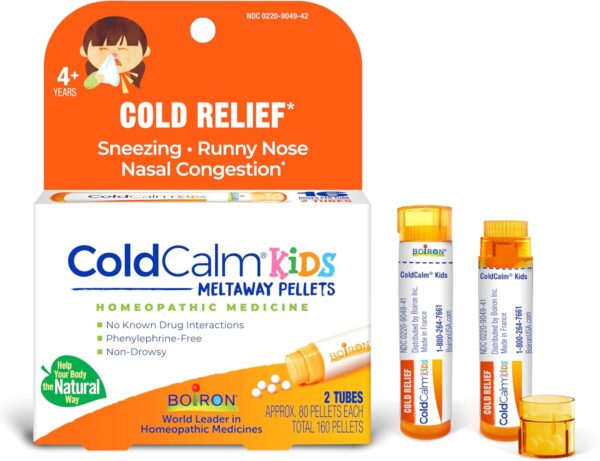
Boiron ColdCalm Kids Pellets for Relief of Common Cold Symptoms Such as Sneezing, Runny Nose, Sore Throat
Spring Allergies Are Very Common
One of the biggest reasons kids feel sick during spring is allergies. Spring air contains more pollen from trees, grass, and flowers. Some children are sensitive to pollen and develop seasonal allergies.
Common allergy symptoms include:
- Sneezing
- Runny nose
- Itchy eyes
- Coughing
- Nasal congestion
Many parents mistake allergies for a cold because the symptoms can look similar. However, allergies usually do not cause fever. Symptoms also often last longer than a normal cold.
Spring allergies can make children feel tired and uncomfortable. Poor sleep from blocked noses may also weaken their immune system over time.
Parents can reduce allergy symptoms by:
- Keeping windows closed during high pollen days
- Washing hands and face after outdoor play
- Changing clothes after coming home
- Using air purifiers indoors if needed
If symptoms become severe, parents should talk with a doctor.
Germs Spread More Easily in Spring Activities
Spring usually means more outdoor events, school activities, and social gatherings. Children spend more time around other kids, which increases the spread of viruses and germs.
Schools, playgrounds, birthday parties, and sports activities all bring children into close contact. Young kids especially touch shared toys, tables, and surfaces often without washing their hands properly.
Common spring illnesses include:
- Common cold
- Stomach viruses
- Hand, foot, and mouth disease
- Pink eye
- Flu-like infections
Children may also touch their face frequently, which helps germs enter the body more easily.
Simple hygiene habits make a big difference. Parents should encourage regular hand washing, especially before meals and after outdoor play. Teaching children to cover coughs and sneezes is also very important.
Kids Spend More Time Outdoors
Fresh air and outdoor play are healthy for children, but spring outdoor activities can also increase exposure to germs and allergens.
During spring, kids often:
- Play in parks
- Touch dirt and shared equipment
- Play closely with friends
- Spend longer hours outside
This extra exposure is not bad, but it increases the chance of catching viruses or developing allergy symptoms.
Some children may also experience asthma flare-ups during spring because pollen and outdoor air irritate the airways. Kids with asthma may cough more, especially after running or playing sports.
Parents do not need to stop outdoor play. Outdoor activity is important for health and development. Instead, balance outdoor fun with good hygiene and enough rest.
Sleep and Routine Often Become Irregular
Spring holidays, warmer evenings, and outdoor activities often change a child’s routine. Kids may stay up later and sleep less than usual.
Poor sleep affects the immune system. When children do not get enough rest, their body has a harder time fighting infections.
Signs of poor sleep include:
- Mood changes
- Low energy
- Trouble focusing
- More frequent sickness
Children need regular sleep to support healthy growth and immunity.
Helpful sleep habits include:
- Keeping a consistent bedtime
- Reducing screen time before sleep
- Creating a calm bedtime routine
- Making bedrooms cool and quiet
Even during holidays or weekends, children benefit from stable sleep schedules.
Spring Nutrition Can Affect Immunity
Some children eat less healthy food during spring events and holidays. More sugary snacks and drinks may affect energy and immune health.
The body needs healthy nutrients to fight illness. Fruits, vegetables, protein, and water are all important for children.
Helpful immune-supporting foods include:
- Oranges and berries
- Yogurt
- Eggs
- Vegetables
- Lean meat or fish
Hydration is also very important. Some kids become more active during spring but forget to drink enough water.
Parents do not need perfect diets. Small healthy habits every day can help children stay stronger during seasonal changes.
Stress and Seasonal Changes Can Affect Kids Too
Adults are not the only ones affected by seasonal changes. Children can also feel stress or emotional changes during spring.
School exams, busy schedules, and changes in activities may make some children feel tired or anxious. Emotional stress can weaken the immune system over time.
Some children may complain of headaches, stomachaches, or fatigue during stressful periods.
Parents can help by:
- Keeping communication open
- Allowing enough rest time
- Balancing activities and downtime
- Encouraging outdoor play and relaxation
A healthy mind also supports a healthy body.
Most Spring Illnesses Are Mild
The good news is that most spring illnesses are not serious. Common colds, mild allergies, and small infections usually improve with rest and basic care.
However, parents should contact a doctor if a child has:
- Trouble breathing
- High fever
- Severe coughing
- Symptoms lasting more than several days
- Signs of dehydration
Paying attention early can help prevent bigger problems later.
Spring should still be a fun and active season for children. With healthy habits and a little preparation, most kids can enjoy spring safely and happily.
FAQ
1. Why do kids get sick more in spring?
Children are exposed to changing weather, pollen, germs, and more outdoor activities during spring, which can increase illness and allergies.
2. Are spring allergies common in children?
Yes. Many children experience seasonal allergies caused by pollen from trees, grass, and flowers.
3. How can I protect my child from spring sickness?
Help children wash hands regularly, sleep well, eat healthy foods, and avoid too much exposure to allergens.
4. How do I know if it is allergies or a cold?
Allergies usually cause sneezing and itchy eyes without fever, while colds often include fever and body aches.
5. Can weather changes make kids sick?
Sudden temperature changes may weaken the body temporarily and increase the chance of catching common illnesses.