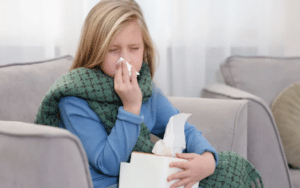
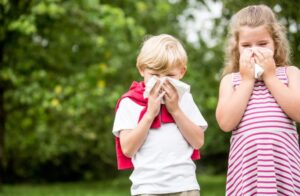
Spring is a wonderful season for outdoor fun, but it can be tough for kids with allergies. Sneezing, itchy eyes, and runny noses are common during this time. These symptoms are often caused by pollen from trees, grass, and flowers. The good news is that simple daily habits can help reduce your child’s allergy symptoms and make them more comfortable.
Understand What Triggers Allergies
Before managing allergies, it’s important to know what causes them. Spring allergies happen when a child’s immune system reacts to pollen. Pollen is light and travels in the air, so kids can easily breathe it in.
Common triggers include:
- Tree pollen (oak, birch, maple)
- Grass pollen (ryegrass, Timothy grass)
- Weed pollen (ragweed, wildflowers)
Weather can also make a difference. Warm, dry, and windy days often have higher pollen counts, while rain can clear pollen from the air. Knowing triggers helps parents plan daily routines and outdoor activities for kids.
Keep the Home Clean and Allergy-Free
Creating a clean indoor environment is one of the simplest ways to reduce allergy symptoms. Children spend a lot of time inside, so keeping pollen out of the home is important.
Tips for a cleaner home:
- Keep windows closed on high pollen days
- Use air conditioning with HEPA filters
- Vacuum carpets and rugs regularly
- Wash bedding in hot water at least once a week
- Dust surfaces often with a damp cloth
- Keep pets clean, as they can carry pollen
Small changes like these can lower the amount of pollen and allergens inside your home.
Daily Hygiene Habits for Kids
Your child can take simple steps each day to reduce allergy symptoms. Good hygiene habits prevent pollen from spreading and causing more discomfort.
Daily habits include:
- Wash hands and face after coming inside from outdoor play
- Change clothes after being outdoors
- Rinse hair before bedtime, especially after outdoor activities
- Use saline nasal sprays to clear pollen from the nose
Making these habits a routine helps children manage their allergies without needing medication every day.

Boiron AllergyCalm Kids Pellets for Relief from Allergy and Hay Fever Symptoms of Sneezing
Plan Outdoor Activities Wisely
Outdoor play is important for children, but high pollen levels can worsen symptoms. Parents can plan activities to reduce exposure.
Tips for outdoor planning:
- Check local pollen counts before going outside
- Avoid outdoor play in the early morning or on windy days
- Choose indoor activities when pollen levels are high
- Encourage wearing sunglasses to protect eyes from pollen
With careful planning, kids can still enjoy outdoor activities while keeping allergy symptoms under control.
Healthy Lifestyle and Diet Support
A healthy lifestyle helps children handle allergies better. Strong immune systems can make allergy symptoms less severe.
Supportive habits include:
- Eating fruits and vegetables rich in vitamins C and D
- Drinking plenty of water
- Getting 8–10 hours of sleep per night
- Exercising regularly in low-pollen times
- Managing stress with calm activities like reading or drawing
Simple daily routines can make a big difference in your child’s comfort and overall health.
Safe Use of Medication
Sometimes daily habits alone may not be enough. Safe medicines can help reduce allergy symptoms. Parents should always consult a doctor before giving medicine.
Common options for children:
- Antihistamines for sneezing and itchy eyes
- Nasal sprays for blocked noses
- Eye drops for itchy, watery eyes
For severe allergies, doctors may recommend allergy shots. These shots help the body slowly build tolerance to allergens over time.
Encourage Your Child and Support Their Routine
Allergies can be frustrating for kids. They may feel tired, itchy, or miss outdoor play. Parents can make daily care easier and more fun.
Ways to support children:
- Explain the reasons for daily routines clearly
- Make hygiene habits a game or challenge
- Reward consistency with small incentives
- Stay patient and positive to reduce stress
Supportive parenting helps kids follow daily habits consistently and feel empowered in managing their allergies.
FAQ: Spring Allergy in Kids
1.How can I tell if my child has a spring allergy or a cold?
Allergies last for weeks, do not cause fever, and often include itchy eyes and sneezing. Colds usually last about a week with fever.
2. At what age do children develop spring allergies?
Children can develop allergies as early as age 2–3, but symptoms may become more noticeable as they grow.
3. Can daily habits replace medicine?
Daily habits help reduce exposure and symptoms, but medicine may still be needed for moderate to severe allergies.
4. Are air purifiers effective for spring allergies?
Yes, HEPA air filters can remove pollen and dust from indoor air, reducing allergy symptoms.
5. Can allergies affect my child’s sleep?
Yes, nasal congestion and itchy eyes can disrupt sleep, causing tiredness and irritability during the day.