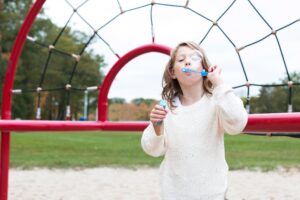
Spring is a beautiful season, but it also brings sneezing, itchy eyes, and runny noses for many children. These symptoms are usually caused by allergies. Spring allergies happen when a child’s immune system reacts to small particles called allergens. Knowing what triggers these allergies and how to avoid them can make a big difference in a child’s comfort and health.
Pollen: The Most Common Spring Allergy Trigger
Pollen is the tiny powder released by trees, grass, and flowers. It travels through the air and can trigger allergic reactions when inhaled.
- Tree pollen: oak, birch, maple, and pine are common in spring.
- Grass pollen: ryegrass, Timothy grass, and other lawn grasses.
- Weeds and wildflowers: ragweed, dandelions, and some garden plants.
Pollen counts are higher on warm, dry, and windy days. Rain can reduce pollen in the air, which helps lessen allergy symptoms. To reduce exposure:
- Keep windows closed during high pollen days.
- Use air conditioning with HEPA filters.
- Plan outdoor activities when pollen counts are lower, usually after rain or in the evening.
- Rinse your child’s face and hands after being outside.
Dust and Indoor Allergens
Dust can carry tiny particles that trigger allergies. Dust mites are especially common in bedrooms and living areas. Other indoor allergens include pet dander and mold spores.
Tips to reduce indoor triggers:
- Vacuum carpets and rugs regularly with a HEPA vacuum.
- Wash bedding weekly in hot water.
- Dust furniture and shelves with a damp cloth.
- Keep pets out of bedrooms or off beds.
- Reduce clutter that collects dust.
Regular cleaning can make a big difference for children who are sensitive to dust and indoor allergens.
Pets and Animal Dander
Many kids are allergic to pets, including cats and dogs. Animal dander is made of tiny skin flakes, saliva, and hair. It can trigger sneezing, itchy eyes, and skin rashes.
Ways to reduce pet allergens:
- Bathe and groom pets regularly.
- Keep pets out of children’s bedrooms.
- Use HEPA air filters to trap dander.
- Wash your child’s hands after touching pets.
Even if your child loves pets, simple steps can help reduce allergic reactions.
Mold and Damp Environments
Mold grows in damp areas like bathrooms, basements, and around windows. Mold spores can become airborne and trigger allergies in kids.
Tips to control mold:
- Use dehumidifiers in damp areas.
- Fix leaks and water damage quickly.
- Clean bathrooms and kitchens regularly with mold-safe cleaners.
- Avoid storing wet clothes or towels indoors.
Controlling moisture in the home reduces mold exposure and allergy symptoms.
Food Allergies That Can Worsen Spring Symptoms
While less common than pollen or dust, some children have food sensitivities that can make seasonal allergy symptoms worse. Foods like milk, eggs, peanuts, or shellfish can trigger immune responses in sensitive children.
If food allergies are suspected:
- Keep a food diary to track symptoms.
- Talk to a doctor or allergist for testing.
- Avoid known allergenic foods.
Combining food sensitivity management with spring allergy care can help your child feel better.

Natural Antihistamine Supplement, Sinus & Allergy Relief for Pollen, Pet Dander, Dust, Mold, and Odors
Daily Habits to Avoid Allergy Triggers
Parents can help reduce their child’s exposure to allergens with simple daily habits:
- Shower and change clothes after outdoor play.
- Wash hands and face often.
- Keep windows closed during high pollen times.
- Use HEPA filters in bedrooms and living areas.
- Monitor local pollen counts and plan activities accordingly.
Consistency with these habits can significantly reduce allergy symptoms and help children stay comfortable during spring.
When to See a Doctor
Most spring allergies can be managed at home, but sometimes professional help is needed. Consult a doctor if:
- Symptoms are severe or last for weeks.
- Your child has trouble breathing, wheezing, or chronic coughing.
- Allergies affect sleep, school, or daily activities.
A doctor may recommend safe medications or allergy testing to better control symptoms.
FAQ: Common Triggers of Spring Allergy in Kids
1.What are the main causes of spring allergies in children?
Tree pollen, grass pollen, weeds, dust, pets, and mold are the most common triggers.
2.How can I tell if my child has allergies or a cold?
Allergies last longer, do not cause fever, and usually include itchy eyes and sneezing. Colds are shorter and may include fever.
3.Can indoor air filters help with spring allergies?
Yes, HEPA filters trap pollen, dust, and pet dander, which reduces allergy symptoms.
4.Are pet allergies common in children?
Yes, many children react to cats and dogs. Keeping pets out of bedrooms and cleaning regularly helps.
5.Can food make spring allergy symptoms worse?
Yes, food sensitivities can worsen symptoms in some children. A doctor can help identify problem foods.