Understanding childhood anxiety in a simple way
Anxiety in children is more common than many people think. It does not always look like fear or panic. Sometimes it shows up quietly, like a child refusing school, or suddenly becoming very clingy.
It is worth noting that organizations like the World Health Organization have pointed out that anxiety disorders are among the most common mental health conditions in young people. That does not mean every worried child has a disorder. Kids worry. That is normal. But when worry starts affecting daily life, something deeper may be going on.
In real life, anxiety in children can look confusing. One day a child is fine, the next day they are upset about small things. Or they may complain about stomach pain before school, even when there is no illness. These small patterns matter more than single moments.
Constant worry and “what if” thinking in kids anxiety symptoms
One of the earliest signs is constant worry. It is not just normal “I am nervous” feelings. It becomes a loop. The child keeps asking “what if something bad happens” again and again.
Some kids worry about school. Others worry about parents, health, or even small changes in routine. A simple delay in pickup time can feel like a big problem to them.
It can sound like:
- “What if I forget my homework?”
- “What if something happens to you?”
- “What if I make a mistake?”
These thoughts can seem small from an adult point of view. But for the child, they feel very real. Over time, this constant mental noise can make them tired, irritable, or quiet.
Physical symptoms of anxiety in children like stomachaches and headaches
Anxiety does not always stay in the mind. It often shows up in the body. This is something pediatric experts, including guidance from the American Academy of Pediatrics, often highlight.
Children may complain about:
- Stomach pain
- Headaches
- Feeling sick before school
- Fast heartbeat
In some cases, nothing medically wrong is found. That can confuse parents. But the body and mind are closely connected. Stress can literally “sit in the stomach,” especially in younger kids who do not yet know how to explain emotions.
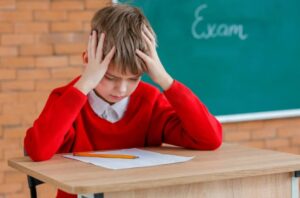
There is also a pattern worth noticing. Symptoms often appear before stressful events like exams, school presentations, or social situations. Then they may disappear when the pressure is gone.
Avoidance behavior and school refusal in anxious children
One of the more noticeable signs is avoidance. The child starts avoiding things they used to do normally. School refusal is a common example.
It does not always look dramatic. Sometimes it is slow. A child may start saying they feel sick in the morning. Or they may delay getting dressed. Over time, this becomes a pattern.
In real classrooms, teachers often notice:
- Not wanting to participate in class
- Avoiding group activities
- Asking to go home early
- Staying close to adults
Avoidance feels like relief for the child in the moment. But in the long run, it can actually strengthen anxiety. The brain learns “this situation is dangerous,” even when it is not.
Sleep problems and restless nights in kids anxiety signs
Sleep often tells the truth about a child’s emotional state. Anxiety can make it hard to fall asleep or stay asleep.
Some children lie awake thinking about the next day. Others wake up in the middle of the night with worries. Nighttime can feel louder in their mind, even when the house is quiet.
Parents may notice:
- Trouble falling asleep
- Nightmares
- Waking up tired
- Wanting someone to stay with them at night
In some cases, children may suddenly start sleeping in their parents’ room again after months of independent sleep. That change can feel surprising, but it often signals emotional stress.
Emotional signs like irritability, crying, or mood swings
Anxiety is not always quiet. Sometimes it comes out as strong emotions. A child may become more irritable, easily frustrated, or quick to cry.
Small things can trigger big reactions. A lost pencil, a change in plans, or even a simple correction from a teacher can lead to emotional outbursts.
It is not “bad behavior” in the usual sense. It is often an overloaded emotional system. The child is trying to cope but does not yet have the tools.
It is also common for anxious children to appear “fine” at school but fall apart at home. That safe space becomes the place where emotions are finally released.
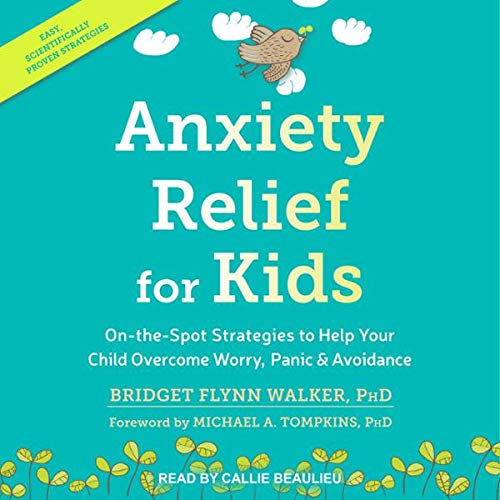
Anxiety Relief for Kids: On-the-Spot Strategies to Help Your Child Overcome Worry, Panic & Avoidance
Social withdrawal and fear in childhood anxiety symptoms
Some children slowly pull away from friends. They may stop joining games or avoid birthday parties. Social situations can feel overwhelming.
This can be linked to social anxiety in some cases, where children fear being judged or embarrassed. They might overthink every interaction afterward.
Real-world examples include:
- Not wanting to talk in group settings
- Avoiding eye contact
- Sitting alone during recess
- Saying “no” to invitations
It is not about being shy alone. Shyness is normal. Anxiety becomes a concern when it starts limiting a child’s life.
Perfectionism and fear of making mistakes
Anxious children often try to be “perfect.” They may erase homework repeatedly, panic over small errors, or avoid trying new things because they fear failure.
This can look like a hardworking student on the surface. But underneath, there is pressure and fear.
In academic settings, even small mistakes can feel huge to them. Some children cry over grades that are actually quite good.
Over time, this pressure can reduce confidence and make learning feel stressful instead of enjoyable.
When anxiety becomes a bigger concern
It is important to separate normal worry from ongoing anxiety. Many children go through short anxious phases. That is part of growing up.
But when symptoms:
- Last for weeks or months
- Affect school performance
- Interfere with sleep or friendships
- Cause physical complaints regularly
it may be time to seek professional guidance.
Mental health organizations such as National Institute of Mental Health emphasize that early support can make a big difference. Children respond well to help when it is given early and gently.
FAQ
1. What are the most common signs of anxiety in children
Common signs include constant worry, stomachaches, sleep problems, irritability, and avoiding school or social activities.
2. Can anxiety in children cause physical symptoms
Yes, childhood anxiety often shows up as headaches, stomach pain, nausea, or fatigue without medical cause.
3. What is school anxiety or school refusal in kids
School anxiety is when a child fears going to school due to stress or worry, often linked to separation anxiety or social pressure.
4. How do I know if my child has anxiety or just normal worry
If worry affects daily life, sleep, or school for a long time, it may be more than normal worry and worth checking with a professional.
5. Can childhood anxiety go away on its own
Mild anxiety may improve, but ongoing anxiety often needs support, coping skills, or therapy to fully improve.